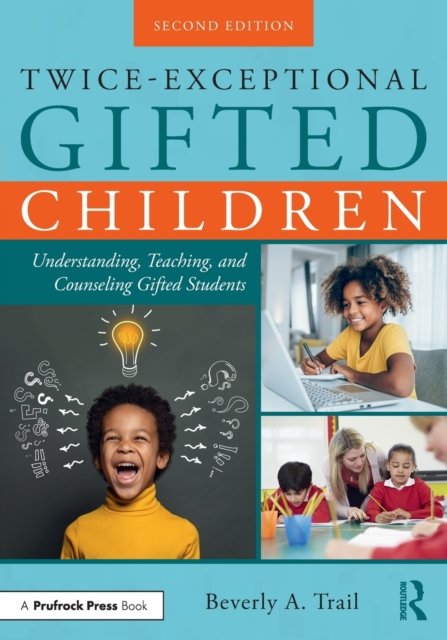
Gifted education is a topic that encompasses a wide range of issues and considerations. From the unique needs of twice-exceptional students to the underrepresentation of minority groups in gifted programs, there are many factors at play in ensuring that gifted learners receive appropriate support and opportunities for growth.
One important group within the realm of gifted education is twice-exceptional students. These are individuals who possess both exceptional abilities and learning disabilities or special needs. Often, their strengths may mask their challenges, leading to misunderstandings or missed opportunities for support. It is essential to identify and address their specific needs through individualized education plans (IEPs) that incorporate accommodations for both their areas of strength and areas requiring additional assistance.
Another crucial aspect to consider is the underrepresentation of minority groups in gifted programs. Research consistently shows that certain racial and ethnic minorities, as well as economically disadvantaged students, are less likely to be identified as gifted or placed in specialized programs. This disparity highlights the need for culturally responsive assessment methods and outreach efforts aimed at identifying talented individuals from diverse backgrounds. By addressing this issue, we can ensure equal access to educational opportunities for all students.
Additionally, rural areas often face unique challenges when it comes to providing adequate resources for gifted learners. Limited funding, lack of specialized teachers or programs, and geographic isolation can hinder these students’ access to appropriate educational experiences. To bridge this gap, collaboration between schools, communities, and online platforms can help bring quality services and enrichment activities directly into rural classrooms.
Differentiated instruction plays a vital role in meeting the diverse academic needs of gifted learners within mixed-ability classrooms. By tailoring instruction to individual abilities and interests while maintaining high expectations for all students, educators can foster an inclusive environment where each student’s potential can flourish.
The social-emotional needs of gifted children cannot be overlooked either. Gifted learners often experience intense emotions due to heightened sensitivities or feelings of being different from their peers intellectually or socially. Providing opportunities for social connections, counseling, and peer support groups can help gifted students navigate these challenges while fostering a sense of belonging and understanding.
Creativity is an essential aspect of gifted education. Gifted learners often exhibit high levels of creative thinking and problem-solving skills. Incorporating creative outlets such as arts, music, drama, or hands-on projects into the curriculum allows these students to explore their talents fully.
Homeschooling has become an increasingly popular option for families seeking personalized education for their gifted children. This choice offers flexibility in curriculum design, pacing, and individualized instruction that can cater specifically to a child’s unique abilities and interests.
However, it is important to address the issue of equity in gifted education for low-income families. Financial barriers should not limit access to resources and opportunities for talented students from economically disadvantaged backgrounds. Scholarships, grants, community partnerships, and targeted outreach programs can help level the playing field.
Dual enrollment options provide advanced academic experiences for highly motivated gifted students by allowing them to take college-level courses while still in high school. This opportunity helps challenge these learners academically while preparing them for future higher education pursuits.
Inclusive education practices emphasize the importance of meeting the needs of all learners within mainstream classrooms – including those who are both gifted and have special needs. By providing appropriate accommodations and supports tailored to each student’s specific profile of strengths and challenges, we can ensure that every learner receives an equitable educational experience.
The impact of technology on gifted education cannot be ignored either. Technology offers various tools such as virtual learning environments or online platforms that provide access to advanced coursework or enrichment activities that may not be available locally.
Gender differences also play a role in how we approach gifted education. Research suggests that boys may be more likely to be identified as intellectually gifted early on due to differences in behavior or learning styles compared to girls. Recognizing this bias is crucial in ensuring equal opportunities for all genders within gifted education programs.
Advocacy is essential for ensuring that the unique needs of gifted learners are recognized and met within educational systems. By raising awareness, advocating for appropriate identification and programming, and working collaboratively with educators, parents can help create supportive environments for their gifted children.
Mentorship plays a vital role in nurturing the talents of gifted students. Establishing mentorship programs where successful individuals from various fields provide guidance and support can greatly benefit these learners by exposing them to real-world experiences and helping develop their skills further.
Alternative assessment methods are worth exploring when identifying giftedness. Standardized tests may not always capture the full range of abilities or potential in certain students. Observational assessments, portfolios, performance-based tasks, or interviews that allow students to showcase their talents holistically should be considered as part of the identification process.
The arts hold immense value in gifted education. Incorporating arts disciplines into the curriculum helps cultivate creativity, self-expression, critical thinking skills, and connections between different subject areas. It also provides an avenue for students to explore their passions beyond traditional academic domains.
Perfectionism is a common trait among many gifted learners. Addressing this issue involves teaching healthy coping strategies such as embracing mistakes as learning opportunities and encouraging a growth mindset rather than focusing solely on achievement outcomes.
Parents play a crucial role in supporting their gifted children’s education. They can advocate for appropriate services at school, seek out enrichment activities outside of the classroom, promote balanced lifestyles that prioritize social-emotional well-being alongside academic success, and establish open lines of communication with educators to ensure collaboration in meeting a child’s individual needs.
Gifted education should not only focus on intellectual development but also consider long-term career development prospects for these talented individuals. Providing guidance regarding college choices, career exploration opportunities, internships or apprenticeships during high school years can help shape future paths aligned with each student’s interests and aspirations.
Finally, fostering social connections among gifted students is essential for their well-being and growth. Creating opportunities for collaboration, group projects, extracurricular activities, or gifted programs that bring like-minded individuals together can help combat feelings of isolation and provide valuable peer support.
In conclusion, gifted education encompasses a wide range of important topics and considerations. By addressing the unique needs of twice-exceptional students, promoting diversity in gifted programs, ensuring access to resources in rural areas, implementing differentiated instruction strategies, supporting social-emotional development, nurturing creativity, exploring alternative assessment methods, embracing the arts and mentorship opportunities – we can create a more inclusive and supportive educational environment for all gifted learners.
 Alternative Amie
Leave a comment