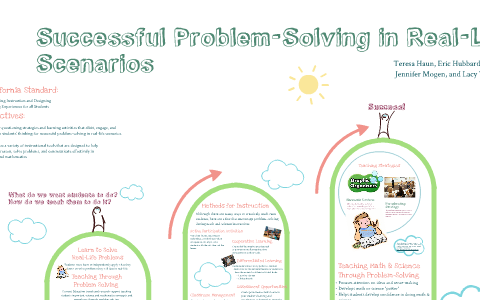
Assessing Problem-Solving Skills through Real-World Scenarios in Alternative Education
In today’s rapidly changing world, problem-solving skills have become more crucial than ever before. Traditional educational systems often focus on rote memorization and standardized tests, leaving little room for students to develop their critical thinking and problem-solving abilities. However, alternative education approaches are recognizing the importance of equipping students with these essential skills.
One effective way to assess problem-solving skills in alternative education is by using real-world scenarios. By presenting students with authentic challenges that they may encounter outside the classroom, educators can evaluate their ability to think critically, analyze information, make informed decisions, and find innovative solutions.
Real-world scenarios provide a practical context for learning and allow students to apply their knowledge to solve complex problems. Whether it’s designing sustainable solutions for environmental issues or creating social entrepreneurship projects to address community needs, these scenarios engage learners in meaningful ways while honing their problem-solving skills.
One advantage of using real-world scenarios is that they promote interdisciplinary learning. In traditional education settings, subjects are often taught in isolation from one another. However, real-life problems rarely fit neatly into disciplinary boundaries. By integrating various subjects like science, math, social studies, and language arts into a single scenario-based project, students learn how different fields intersect and influence each other when solving complex problems.
Additionally, real-world scenarios encourage collaboration among students. Many modern challenges require collective effort rather than individual solutions. Through group work on scenario-based projects or simulations of professional environments – such as mock trials or business ventures – alternative schools foster teamwork and teach students how to effectively communicate ideas while respecting diverse perspectives.
Furthermore, assessing problem-solving skills through real-world scenarios allows educators to gauge not only the final outcomes but also the process itself. This formative assessment approach emphasizes reflection during every step of tackling a challenge: analyzing the situation at hand; brainstorming potential solutions; evaluating potential risks and benefits; and refining the chosen solution through feedback loops. By focusing on the process, students develop metacognitive skills – the ability to think about their own thinking – which enhances their problem-solving abilities in future scenarios.
Incorporating real-world scenarios into alternative education assessments also prepares students for life beyond school. As they encounter challenges in their personal and professional lives, they will be equipped with the confidence and skills necessary to navigate complex problems effectively. Whether it’s resolving conflicts, adapting to new environments, or finding innovative solutions at work, these experiences during alternative schooling provide a solid foundation for lifelong learning.
It is important to note that assessing problem-solving skills through real-world scenarios requires careful design and implementation. Educators should ensure that the scenarios are authentic, relevant, and meaningful for students’ lives. The assessment criteria should focus not only on the final solution but also on critical thinking processes employed by learners throughout the project.
Alternative education approaches that prioritize problem-solving through real-world scenarios empower students with essential skills for success in an ever-changing world. By integrating interdisciplinary learning, collaboration, reflection, and metacognition into assessments, educators can foster a generation of adaptable thinkers who are ready to tackle complex challenges head-on.
In conclusion, assessing problem-solving skills in alternative education is crucial for preparing students to thrive in today’s fast-paced world. Real-world scenarios offer an effective way to evaluate these skills while providing practical context for learning. By incorporating interdisciplinary approaches and promoting collaboration among students, alternative schools can nurture critical thinkers who can apply their knowledge creatively when solving complex problems. Through this formative assessment approach that focuses on both outcomes and processes, learners gain valuable metacognitive abilities that will serve them well throughout their lives outside of school.
 Alternative Amie
Leave a comment