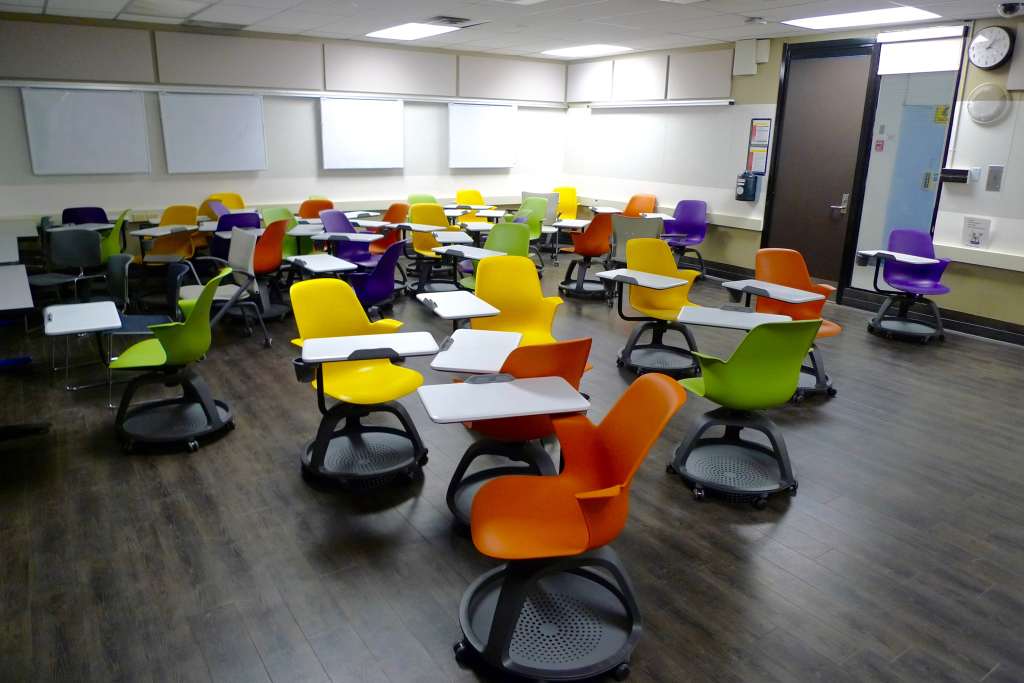
Encouraging self-reflection and self-regulation skills through the use of flexible seating
In recent years, there has been a growing recognition of the importance of self-reflection and self-regulation skills in education. These skills help students develop a sense of awareness, emotional control, and the ability to make responsible choices. One innovative approach that schools have adopted to foster these skills is the use of flexible seating.
Flexible seating refers to an arrangement where traditional desks and chairs are replaced with alternative seating options such as bean bags, exercise balls, floor cushions, standing desks, or even yoga mats. This allows students to choose a seat that suits their individual needs and preferences. The idea behind it is simple: when students are comfortable physically, they are more likely to be engaged mentally.
So how does flexible seating encourage self-reflection and self-regulation? Let’s explore some key benefits:
1. Increased autonomy: With flexible seating options available, students have the freedom to select a seat that helps them focus best. They can choose based on their comfort level or personal preference for movement or stillness. This autonomy empowers them to take ownership of their learning environment and fosters decision-making skills.
2. Improved body awareness: Different types of seats provide varying levels of support and sensory input. For instance, sitting on an exercise ball requires constant micro-adjustments by engaging core muscles for balance. This promotes body awareness among students as they learn how different positions can affect their posture and overall comfort.
3. Enhanced concentration: Sitting in one position for long periods can lead to restlessness and reduced attention span in many learners. Flexible seating allows for greater movement throughout the day without causing disruption. Students who need more movement can opt for wobble stools or standing desks while those who prefer stability may choose regular chairs or cushions.
4. Emotional regulation: Learning environments impact emotions greatly; therefore, creating spaces that promote emotional well-being is crucial for effective self-regulation. The comfort and flexibility provided by alternative seating options can help students regulate their emotions more effectively, reducing anxiety or restlessness that may hinder learning.
5. Collaboration and communication: Traditional desk setups often limit collaboration among students. With flexible seating arrangements, students have the opportunity to sit in groups or pairs, allowing for better interaction and teamwork skills. This collaborative environment encourages effective communication, problem-solving, and respect for others’ perspectives.
It’s important to note that implementing flexible seating requires thoughtful planning and clear guidelines for its usage. Here are some considerations:
1. Establish expectations: Clearly communicate the purpose of flexible seating to students and set expectations regarding behavior and seat choices.
2. Teach self-awareness: Help students identify their individual needs by providing guidance on how different seats can support them best based on their learning style or sensory preferences.
3. Rotate seating options: Regularly rotate the available seating options to ensure fairness and provide exposure to different types of seats for all students.
4. Flexibility within structure: While offering choice is essential, it’s also important to maintain a structured classroom environment where certain activities may require specific seating arrangements.
5. Monitor effectiveness: Continuously assess how well flexible seating is working in your classroom through observations, student feedback, and academic progress indicators.
In conclusion, incorporating flexible seating into classrooms can be a powerful tool for promoting self-reflection and self-regulation skills among students. By giving them autonomy over their learning environments while considering individual needs, teachers create spaces that encourage focus, emotional regulation, collaboration, communication skills development – all crucial aspects of holistic education.
 Alternative Amie
Leave a comment