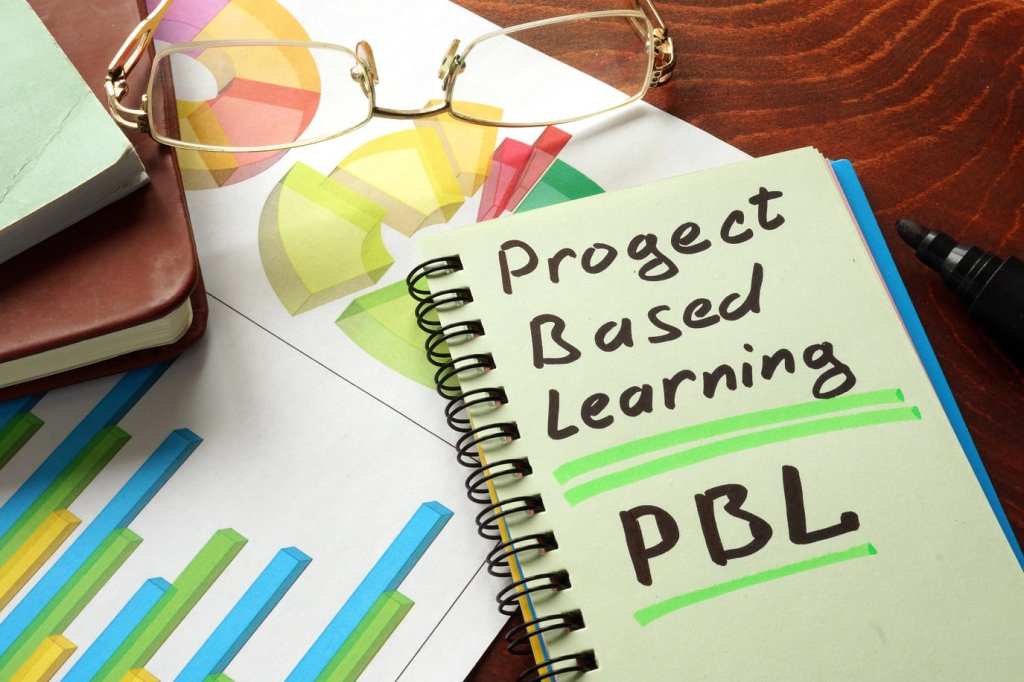
Project-Based Learning: A Transformative Approach to Education
In today’s ever-evolving landscape of education, traditional teaching methods are being challenged by innovative approaches that prioritize student engagement, critical thinking, and real-world application of knowledge. One such approach gaining traction is project-based learning (PBL). PBL offers a dynamic and hands-on learning experience that stimulates students’ curiosity, fosters creativity, and nurtures essential skills for success in the 21st century.
Design thinking is at the core of project-based learning. It involves a systematic process of problem-solving that empowers students to identify issues, generate ideas, prototype solutions, and iterate based on feedback. By immersing themselves in design challenges across various disciplines, students develop an entrepreneurial mindset while honing their analytical abilities and collaborative skills.
Inquiry-based learning complements PBL by encouraging students to explore open-ended questions, investigate topics of interest through research and experimentation, and construct knowledge independently. This approach cultivates a sense of intellectual autonomy among learners as they actively participate in constructing meaning from their experiences.
Integrating science, technology, engineering art and math (STEAM) into project-based learning allows for interdisciplinary connections between subjects while fostering innovation and problem-solving skills. STEAM projects often involve hands-on experiments or creative productions where students apply scientific principles alongside artistic expression or design thinking strategies.
Outdoor education provides an immersive setting for project-based learning as it harnesses the power of nature to facilitate experiential learning opportunities. Whether through environmental studies or adventure challenges like wilderness survival simulations or ecological restoration projects – outdoor education encourages students to connect with their surroundings while developing leadership skills and environmental stewardship.
Community service projects exemplify the social impact potential of project-based learning. By engaging with local communities in meaningful ways such as organizing fundraisers or volunteering at local organizations – students learn empathy, cultural sensitivity,and responsible citizenship values.Through these initiatives they begin understand how they can make positive contributions to society.
Entrepreneurship and business simulations offer students an opportunity to develop their entrepreneurial mindset, while gaining insights into the world of business. By creating their own businesses, students learn practical skills such as market research, financial planning, marketing strategies and team management. These simulations provide real-world context for learning essential business concepts.
Environmental sustainability projects empower students to take action towards a more sustainable future by addressing pressing global issues such as climate change or waste reduction. Through initiatives like designing eco-friendly buildings or developing sustainable energy solutions -students learn about environmental challenges and work collaboratively on creating innovative solutions.
Cultural diversity and inclusion initiatives foster a sense of belonging in diverse classrooms. Project-based learning provides a platform for discussions about cultural differences, identity,and social justice.The emphasis on collaboration allows students to appreciate different perspectives and challenge stereotypes while working towards fostering inclusivity within their communities.
Project-based assessments and evaluations are integral components of PBL. Instead of relying solely on traditional exams or standardized tests – teachers assess student understanding through presentations, portfolios, exhibitions,and peer evaluations.These forms of assessment allow for a holistic evaluation that considers not only the final product but also the process undertaken by the student throughout the project’s duration.
Technology integration plays a vital role in project-based learning by providing tools that enhance creativity,collaboration,and communication.Technology enables virtual collaboration with peers from around the globe,making global collaboration projects possible.Students can also use technology platforms to create multimedia productions or design virtual reality experiences that immerse users in realistic scenarios related to their projects.
Arts and crafts projects offer opportunities for hands-on creativity while reinforcing core academic concepts.Artistic expression helps students communicate ideas visually while developing fine motor skills.Through arts-infused projects,studies have shown improvements in cognitive abilities,social-emotional development,and overall academic achievement.Arts education is an integral part of well-rounded education
Project-based learning can be adapted to meet the needs of special needs students, providing them with inclusive and meaningful learning experiences. By tailoring projects to their individual abilities, interests, and learning styles – students can develop academic skills, social-emotional competencies,and interpersonal relationships while building self-confidence.
Project management skills development is a natural outcome of project-based learning. Students learn how to manage time effectively,set goals,assign tasks,and monitor progress.These skills are essential for success in college,career and beyond.Project management principles such as planning,scheduling,risk assessment,and problem-solving are applied throughout the duration of a project.
Global collaboration projects expand students’ worldviews by connecting them with peers from different cultures and backgrounds.Students collaborate virtually on shared projects that explore global issues or address cultural differences.This fosters intercultural competence,critical thinking and empathy towards diverse perspectives.It also prepares students for future careers in a globalized society.
Social justice and activism initiatives empower students to become agents of change by addressing systemic inequality, discrimination,and injustice.Project-based learning offers a platform for understanding complex social issues through research,advocacy campaigns or community outreach.This helps develop leadership skills,civic awareness,and empathy while empowering students to create positive change within their communities.
Health and wellness projects promote physical well-being and emotional resilience among students.By engaging in activities such as creating fitness programs,mindfulness practices or mental health awareness campaigns-students gain knowledge about healthy lifestyle choices while developing self-care habits.They also become advocates for promoting well-being within their school environment.
Civic engagement and government simulations provide opportunities for students to understand democratic processes,political systems,and active citizenship.Projects may involve creating mock elections,modeling legislative procedures or organizing community forums.Through these experiences,students develop critical thinking skills,foster civic responsibility,and gain insights into the inner workings of government institutions.
Historical reenactments bring history alive by allowing students to immerse themselves in specific eras,dramatize historical events or portray historical figures.Students conduct thorough research to ensure historical accuracy while developing public speaking skills and empathy towards different perspectives.These projects enhance students’ understanding of the past by making it tangible and relatable.
Engineering challenges inspire creativity, problem-solving,and critical thinking through hands-on design projects.Students are presented with real-world engineering problems such as designing bridges or constructing earthquake-resistant structures.Project-based learning in engineering develops analytical skills,teamwork,critical thinking,and an appreciation for the practical application of scientific principles.
Media production projects tap into students’ creativity,communication skills,and technological fluency.By creating films,podcasts,or digital presentations-students learn how to effectively communicate ideas using different media platforms.This promotes digital literacy,collaboration and fosters a deeper understanding of media influence on society.
Financial literacy projects equip students with essential money management skills that prepare them for future financial independence. By engaging in activities like budgeting,saving strategies or investment simulations-students gain practical knowledge about personal finance.They also learn about economic systems,the role of entrepreneurship,and responsible financial decision-making.
Project-based learning can be adapted for early childhood education by providing experiential opportunities that align with developmental milestones.Activities may include sensory exploration,nature walks,dramatic play or collaborative art projects.Through these experiences,young learners develop cognitive abilities,social-emotional skills,fine motor coordination and a love for lifelong learning.
Virtual reality (VR) and augmented reality (AR) experiences offer immersive educational opportunities within project-based learning.Virtual field trips,virtual science experiments,or simulated historical events provide realistic contexts for inquiry-driven learning.These technologies enhance engagement,critical thinking,and promote spatial awareness while enabling access to resources beyond traditional classroom boundaries.
Designing sustainable cities is a multifaceted project that integrates urban planning,policy development,and environmental consciousness.This interdisciplinary approach allows students to consider factors such as transportation systems,renewable energy sources,waste management solutions,and green spaces.Projects challenge students to think critically about complex urban issues while developing innovative solutions for a sustainable future.
Robotics and coding projects enable students to explore the exciting world of technology while honing their problem-solving,logic,and computational thinking skills.From building robots to programming autonomous vehicles,these projects engage students in hands-on exploration that prepares them for future careers in STEM fields.Through collaboration and experimentation,students develop perseverance,resilience,and creativity.
Creative writing and storytelling projects provide avenues for self-expression,imagination,and literacy development.Through writing narratives,poems or scripts-students explore their own ideas while developing language skills,critical thinking,and empathy towards diverse perspectives.Stories can be shared through publishing platforms or performed aloud,fostering confidence and public speaking abilities.
In conclusion, project-based learning offers a transformative approach to education by providing student-centered experiences that promote critical thinking,social-emotional development,self-directed learning,and real-world application of knowledge. By integrating various themes such as design thinking,inquiry-based learning,cultural diversity,sustainability initiatives,and technology integration – educators can create engaging and meaningful projects that prepare students for success in an ever-evolving world. Project-based learning empowers students to become lifelong learners who are equipped with essential skills needed to navigate complex challenges,take ownership of their education,and make positive contributions to society.
 Alternative Amie
Leave a comment