Formative Assessments in Non-Traditional Education Settings
In today’s rapidly changing world, traditional education methods are gradually being supplemented and sometimes even replaced by non-traditional approaches. Whether it be homeschooling, online learning, or alternative schooling models, these non-traditional education settings offer a flexible and personalized way of learning for students.
While the shift towards non-traditional education is exciting and promising, one important aspect that needs to be addressed is assessment. How can educators effectively assess student progress and ensure they are achieving their educational goals in these non-traditional settings? This is where formative assessments come into play.
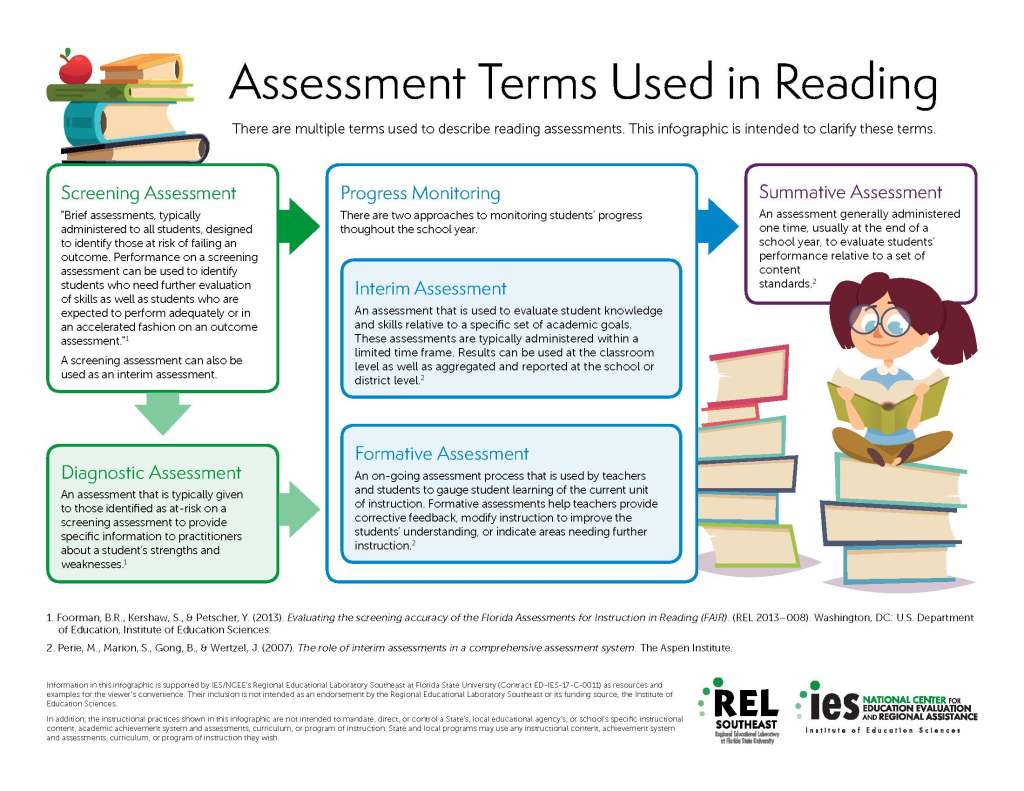
Formative assessments are an integral part of any educational system as they provide ongoing feedback on student learning. Unlike summative assessments that measure what students have learned at the end of a unit or course, formative assessments occur throughout the learning process to monitor progress and provide immediate feedback for improvement.
In traditional classroom settings, formative assessments often take the form of quizzes, tests, or class discussions. However, in non-traditional education settings where face-to-face interactions may be limited or nonexistent, alternative methods need to be employed.
Let’s explore some effective strategies for implementing formative assessments in non-traditional education:
1. Self-Assessment: Encouraging students to reflect on their own learning through self-assessment activities can be highly beneficial. Students can create portfolios showcasing their work or write reflective journals discussing their strengths and weaknesses. By engaging in this process regularly, students develop metacognitive skills that allow them to identify areas for improvement.
2. Interactive Online Platforms: Utilizing interactive online platforms such as discussion boards or virtual classrooms provides opportunities for ongoing assessment and feedback exchange between teachers and students. These platforms enable educators to pose questions related to the content being taught and encourage active participation from all learners.
3. Peer Assessment: In many non-traditional education settings like homeschooling co-ops or alternative schools, students often work collaboratively. Peer assessment activities can be employed where students evaluate each other’s work using rubrics or specific criteria. This not only fosters critical thinking skills but also encourages active engagement with the learning material.
4. Project-Based Assessments: Non-traditional education settings often emphasize project-based learning as a way to develop real-world skills. Assessing these projects can be done through formative assessments by providing feedback during various stages of completion. Teachers can offer guidance and suggestions for improvement, ensuring that students are on track and meeting the desired outcomes.
5. Online Quizzes and Surveys: Utilizing online platforms that allow for quizzes and surveys is an effective way to assess student progress in non-traditional education settings. These tools provide immediate feedback to both teachers and students, enabling them to identify areas where further instruction may be needed.
6. Performance Assessments: In certain non-traditional education settings such as art schools or vocational programs, performance assessments play a crucial role in evaluating student progress. These assessments involve observing students perform tasks related to their field of study, allowing educators to gauge their skill development and mastery.
7. Adaptive Learning Software: With advancements in technology, adaptive learning software has become increasingly popular in non-traditional education settings. These programs personalize the learning experience based on individual student needs while simultaneously collecting data on their progress through formative assessments built into the software.
It is important to note that implementing effective formative assessments requires ongoing communication between educators, parents/guardians, and students themselves. Regular check-ins via email or virtual meetings can help address any concerns or challenges faced by learners while also providing opportunities for personalized feedback.
Furthermore, it is essential for educators in non-traditional education settings to establish clear goals and expectations from the outset so that all parties involved have a shared understanding of what success looks like.
In conclusion, formative assessments play a vital role in non-traditional education settings, offering opportunities for ongoing feedback and improvement. By employing strategies such as self-assessment, interactive online platforms, peer assessment, project-based assessments, online quizzes and surveys, performance assessments, and adaptive learning software; educators can effectively monitor student progress and ensure they are achieving their educational goals in these alternative learning environments.
As the landscape of education continues to evolve, it is crucial that formative assessments adapt accordingly to meet the unique needs of students in non-traditional education settings.
 Alternative Amie
Leave a comment