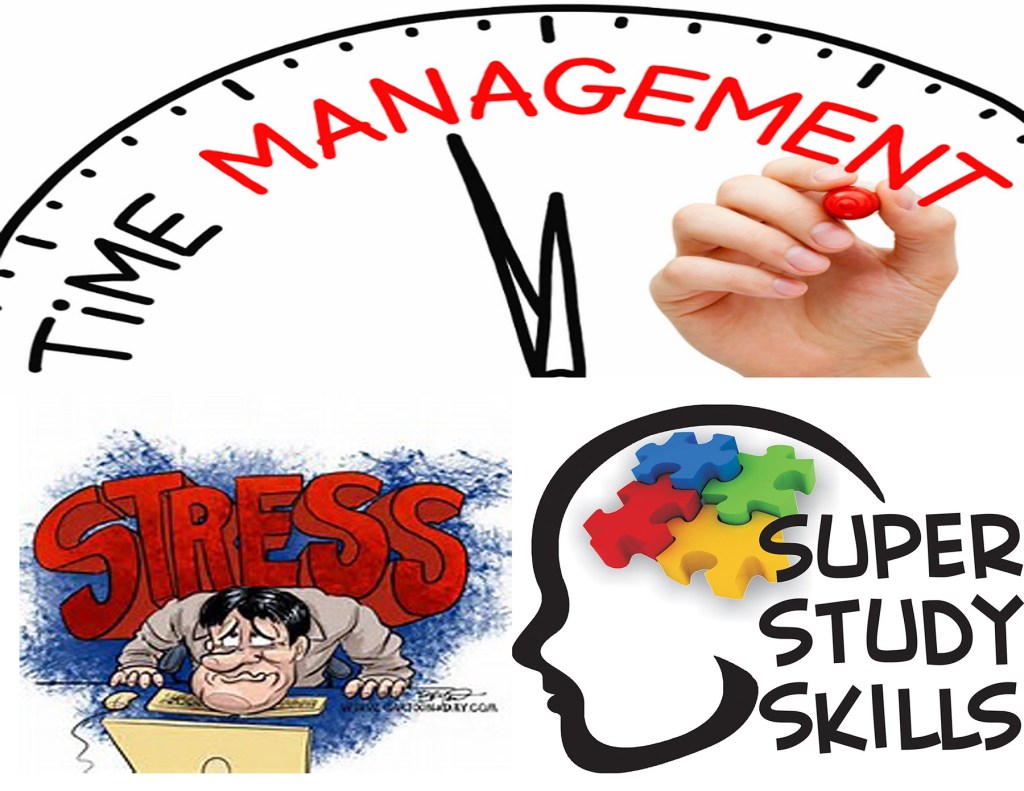
Study Skills: A Retrospective Look
As students, we all know the importance of developing effective study skills. Whether it’s preparing for exams, completing assignments, or simply understanding complex concepts, having strong study skills can make a significant difference in our academic success. In this retrospective post, we will explore some tried and tested study techniques that have stood the test of time.
One of the most fundamental study skills is time management. Learning how to prioritize tasks and allocate time effectively is crucial for maintaining a balanced workload and avoiding last-minute cramming sessions. Creating a schedule or using a planner can help you stay organized and ensure that you allocate sufficient time to each subject or assignment.
Another essential skill is note-taking. Taking clear and concise notes during lectures allows you to capture important information and key points. It helps to develop active listening skills while also serving as reference material when studying later on. Experimenting with different note-taking methods such as mind maps, Cornell notes, or bullet points can help you find what works best for your learning style.
To enhance retention and comprehension, consider incorporating active learning strategies into your study routine. Engage with the material by summarizing concepts in your own words, teaching them to someone else, or creating flashcards for quick review. These interactive methods stimulate your brain and reinforce understanding through practice.
In addition to active learning techniques, finding an optimal study environment is vital for concentration and focus. Some students thrive in complete silence while others prefer background noise like music or ambient sounds. Experimenting with different settings such as libraries, coffee shops, or even outdoor spaces can help identify where you feel most productive.
One often overlooked aspect of successful studying is taking breaks regularly. Our brains need rest intervals to process information effectively; therefore scheduling short breaks during long study sessions can improve productivity significantly. Use these breaks wisely—stretching exercises or engaging in activities unrelated to academics will rejuvenate both your body and mind.
A skill that has gained prominence in recent years is digital literacy. As technology continues to play an increasingly crucial role in education, being proficient with online research, using productivity tools, and managing digital resources have become essential study skills. Familiarize yourself with reliable online databases and platforms that can aid your learning journey.
Lastly, seeking support when needed is a mark of strength rather than weakness. If you find yourself struggling with certain subjects or concepts, don’t hesitate to reach out for help. Consult your teachers or classmates for clarification or consider joining study groups where you can benefit from collective knowledge and exchange ideas.
In conclusion, developing effective study skills is a lifelong process that requires dedication and experimentation. By incorporating time management techniques, practicing active learning strategies, creating an ideal studying environment, taking regular breaks, honing digital literacy skills, and seeking support when necessary, students can maximize their academic potential. Remember that everyone’s learning style is unique; therefore adapting these techniques to fit your preferences will yield the best results.
 Alternative Amie
Leave a comment