Digital Literacy Skills for the Modern Age
In today’s rapidly evolving world, digital literacy skills have become essential for individuals of all ages. With technology permeating every aspect of our lives, from education to career opportunities, it is crucial that we equip ourselves with the necessary skills to navigate this new digital landscape effectively.
What is Digital Literacy?
Digital literacy can be defined as the ability to find, evaluate, utilize, share and create content using digital technologies. It goes beyond mere technical proficiency and encompasses critical thinking and ethical considerations when engaging with digital tools and platforms. In essence, it empowers individuals to use technology confidently and responsibly.
The Importance of Digital Literacy
As we increasingly rely on technology for communication, learning, work, and entertainment purposes, being digitally literate has never been more important. Without these skills, individuals risk being left behind in a society where technological fluency has become a prerequisite for success.
Education: Traditional methods of teaching are rapidly giving way to online learning platforms and virtual classrooms. Students need digital literacy skills not only to access educational resources but also to discern credible information from fake news or unreliable sources. They must learn how to collaborate online effectively and protect their privacy in an interconnected world.
Career Opportunities: The job market is constantly changing due to technological advancements like automation and artificial intelligence (AI). To remain competitive in the job market of the future, workers must possess strong digital literacy skills. From basic computer proficiency to programming knowledge or data analysis abilities – these skills are becoming increasingly sought after by employers across industries.
Citizenship: Digital literacy is crucial for active citizenship in a democratic society. Being able to critically evaluate information sources helps individuals make informed decisions about their communities or political issues. Moreover, understanding online security measures protects citizens from identity theft or phishing scams that can compromise personal safety.
Key Digital Literacy Skills
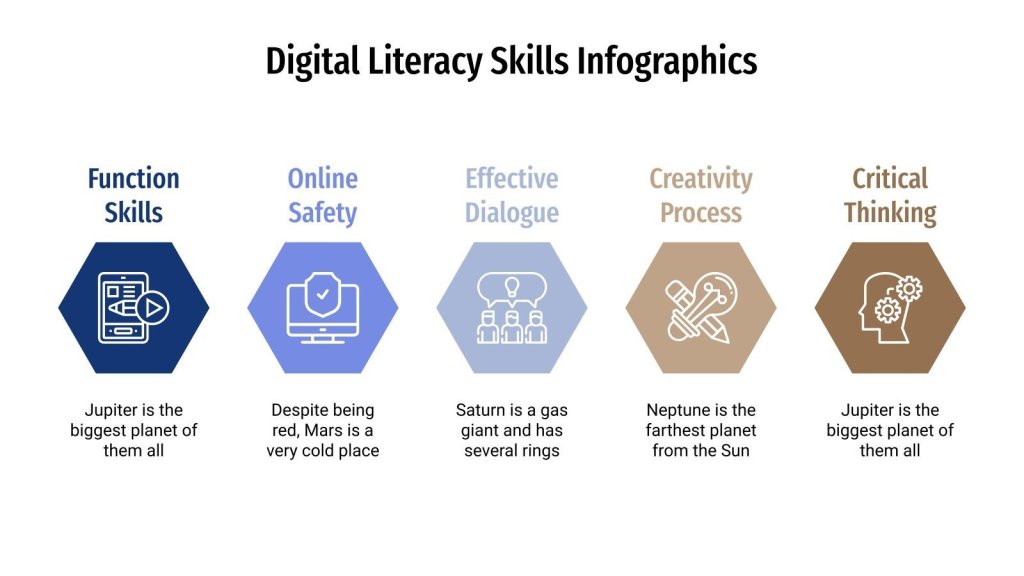
1. Information Literacy: The ability to identify trustworthy sources of information amidst an abundance of online content is a critical skill. Digital citizens must learn to evaluate the reliability, accuracy, and bias of various sources before incorporating information into their decision-making processes.
2. Communication: Effective communication in the digital space requires an understanding of proper netiquette (online etiquette) and the ability to navigate different communication platforms such as email, social media, or video conferencing tools. Students must also be aware of the potential consequences of their online actions and understand how to engage in respectful and responsible online discussions.
3. Cybersecurity: With cyber threats becoming increasingly prevalent, individuals need to know how to protect themselves online. This includes creating strong passwords, being cautious when sharing personal information online, recognizing common phishing attempts or scams, and using antivirus software.
4. Digital Creation: Being able to create digital content is an integral part of modern literacy skills. This can range from basic graphic design or video editing skills to more advanced programming or website development abilities. The ability to create engaging digital content not only enhances one’s own learning but also fosters creativity and innovation.
5. Critical Thinking: With the proliferation of fake news and misinformation on the internet, critical thinking skills are essential for navigating through these virtual minefields. Individuals need to develop a healthy skepticism toward information they encounter online and analyze it critically before accepting it as true.
Conclusion
Digital literacy skills have become indispensable in today’s technology-driven world. Whether it is for education, career advancement, or active citizenship – individuals who possess these skills are better equipped for success in all areas of life. By promoting digital literacy education at all levels – from schools to community organizations – we can ensure that everyone has access to opportunities provided by technology while fostering responsible digital behavior that benefits both individuals and society as a whole.
 Alternative Amie
Leave a comment