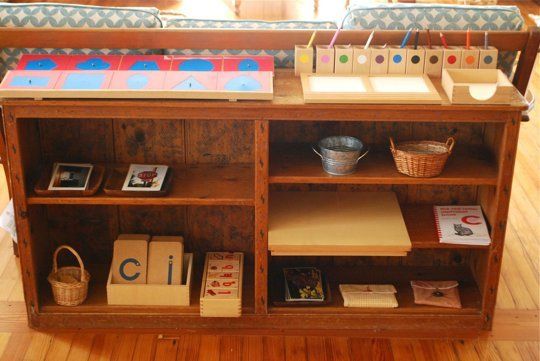
Montessori-inspired Hybrid Homeschooling:
Montessori-inspired hybrid homeschooling combines the principles of Montessori education with the flexibility and individualized approach of homeschooling. This educational model emphasizes hands-on learning, self-directed exploration, and respect for each child’s unique development.
In a Montessori-inspired hybrid homeschooling setting, parents create an environment that is conducive to independent learning and discovery. They provide carefully prepared materials and activities that allow children to engage in purposeful work at their own pace. The focus is on fostering independence, concentration, and a love for lifelong learning.
Waldorf-inspired Hybrid Homeschooling:
Waldorf-inspired hybrid homeschooling draws its philosophy from Waldorf education, which places a strong emphasis on imagination, creativity, and holistic development. In this approach, parents strive to create a nurturing home environment that supports the physical, emotional, and intellectual growth of their children.
Waldorf-inspired hybrid homeschoolers often incorporate art-based activities like painting, drawing, knitting, or woodworking into their daily routines. They also prioritize nature-based experiences and outdoor playtime as essential components of their children’s education.
Unschooling in a Hybrid Homeschool Environment:
Unschooling in a hybrid homeschool environment takes an unconventional approach to education by allowing children to pursue their interests freely without adhering to traditional curriculum or formal instruction. Instead of following set lesson plans or textbooks, unschoolers learn through real-life experiences and self-guided exploration.
In a hybrid unschooling setup, parents support their child’s natural curiosity by providing resources such as books, documentaries, field trips or online classes that align with their interests. Unschoolers have the freedom to delve deeply into subjects they are passionate about while developing critical thinking skills along the way.
Project-Based Learning in Hybrid Homeschooling:
Project-based learning (PBL) is an engaging teaching methodology where students gain knowledge by actively exploring real-world problems or challenges. In a hybrid homeschooling setting, parents facilitate this approach by guiding their children through hands-on projects that encourage collaboration, critical thinking, and problem-solving skills.
Parents might design project-based activities around specific themes or subjects. For example, a science project could involve designing and building a model of a solar system. The focus is on fostering deep understanding rather than simply memorizing information.
Reggio Emilia Approach in Hybrid Homeschooling:
The Reggio Emilia approach to education emphasizes the importance of child-led learning and encourages creativity, critical thinking, and social interaction. In a hybrid homeschool environment, parents incorporate elements of this approach by creating inviting learning spaces at home where children can engage in open-ended exploration and discovery.
Reggio-inspired hybrid homeschoolers often use natural materials such as clay, fabric scraps, or found objects for art projects. They also value documentation to track their child’s progress and provide opportunities for reflection.
Classical Education in a Hybrid Homeschooling Model:
Classical education focuses on the development of critical thinking skills through the study of classical literature, history, philosophy, and languages. In a hybrid homeschooling model influenced by classical education principles, parents guide their children through the stages of the Trivium – grammar (knowledge acquisition), logic (thinking skills), and rhetoric (communication skills).
Parents might incorporate classic literature into their curriculum or teach Latin as part of language studies. The goal is to cultivate analytical thinking abilities while instilling an appreciation for timeless works of literature.
Charlotte Mason Method in Hybrid Homeschooling:
The Charlotte Mason method advocates for using living books (narrative texts written by passionate authors) instead of dry textbooks to engage students’ interest in various subjects. This approach also values nature study, outdoor playtime (“nature walks”), narration (retelling stories or lessons), habit training (developing good habits), and short lessons that promote attention span development.
In a Charlotte Mason-inspired hybrid homeschool environment, parents curate a rich collection of living books and nature-based resources to create a stimulating learning environment for their children. They encourage regular outdoor exploration and prioritize the development of good habits through consistent routines.
STEM-focused Hybrid Homeschooling Curriculum:
STEM (Science, Technology, Engineering, and Mathematics) education has gained immense popularity in recent years due to its focus on critical thinking, problem-solving skills, and preparing students for future careers. In a hybrid homeschooling curriculum with a STEM focus, parents incorporate hands-on experiments, coding activities, robotics kits or online courses into their child’s learning plan.
Art and Creativity in Hybrid Homeschooling:
Art is an essential component of many homeschooling approaches as it fosters creativity, self-expression, and fine motor skills. In a hybrid homeschool setting that values art and creativity, parents provide opportunities for their children to explore various art forms such as drawing, painting or sculpting.
Parents might also introduce their children to famous artists’ works or visit local museums to inspire artistic appreciation. Art can be integrated into other subjects like history or science by creating visual representations or illustrations related to the topics being studied.
Outdoor and Nature-Based Learning in Hybrid Homeschooling:
Nature-based learning focuses on connecting children with the natural world around them through outdoor experiences. It encourages curiosity about plants, animals, ecosystems while promoting physical activity and sensory exploration.
In a hybrid homeschool environment that prioritizes outdoor learning, parents organize regular nature walks or hikes where children can observe plants and animals firsthand. They may also engage in gardening projects to teach concepts like plant life cycles or sustainability.
Social-Emotional Development in Hybrid Homeschooling:
Social-emotional development is crucial for well-rounded individuals who are empathetic communicators and have healthy relationships with others. In a hybrid homeschool setting that emphasizes social-emotional growth,
parents provide ample opportunities for their children to interact with peers through playdates,
cooperative projects or joining community clubs/organizations. They also prioritize open communication and create a supportive environment where children feel heard and understood.
Language Immersion Programs in Hybrid Homeschooling:
Language immersion programs provide an immersive learning experience where children are exposed to a foreign language for extended periods, allowing them to develop fluency naturally. In a hybrid homeschool setting with a language immersion focus,
parents may hire native-speaking tutors or incorporate online language courses into their curriculum. They create an environment that encourages daily practice through songs, stories, games or even virtual conversations with native speakers.
Special Needs Support in a Hybrid Homeschool Environment:
In a hybrid homeschool environment catering to special needs students, parents customize their child’s education according to their unique learning requirements. They collaborate with experts such as therapists or specialized educators while creating individualized lessons and adapting teaching strategies.
Technology Integration in Hybrid Homeschooling:
Technology integration is becoming increasingly important in education as it offers access to vast resources, interactive learning experiences and promotes digital literacy skills. In a hybrid homeschool model that embraces technology,
parents can use educational apps, online platforms or virtual tools to enhance their child’s learning experience across various subjects. Technology can be used for research, collaborative projects or accessing multimedia content that complements the curriculum.
Entrepreneurship and Business Education in a Hybrid Setting:
Entrepreneurship and business education empower students with essential skills like critical thinking, problem-solving, creativity and financial literacy. In a hybrid homeschooling setting focused on entrepreneurship,
parents might encourage their children to start small businesses or engage in entrepreneurial projects that promote innovative thinking and practical application of concepts related to marketing, finance or product development.
Cultural Diversity and Global Studies in Hybrid Homeschooling:
Cultural diversity awareness fosters understanding, empathy and global citizenship among students. In a hybrid homeschooling approach emphasizing cultural diversity,
parents curate resources such as books written by diverse authors,
multicultural music playlists or documentaries exploring different cultures around the world.
They also participate in cultural events or connect with families from diverse backgrounds to promote cross-cultural understanding.
Mindfulness and Meditation Practices for Students in a Hybrid Model:
Mindfulness and meditation practices have proven benefits for students, including stress reduction, improved focus, and emotional regulation. In a hybrid homeschool model promoting mindfulness,
parents incorporate short mindfulness exercises into the daily routine,
guide children through breathing exercises or relaxation techniques.
They may also use resources like guided meditation apps or mindfulness-based curricula specifically designed for children.
Physical Education and Sports Programs for Homeschooled Students:
Physical education is an essential part of a well-rounded education as it promotes physical fitness, coordination skills, teamwork, and sportsmanship. In a hybrid homeschooling environment,
parents can organize regular physical activities such as yoga sessions,
outdoor games or team sports by joining local community leagues.
They may also include online fitness programs or hire coaches specialized in specific sports to provide expert guidance.
Music on Alternative Schooling and Education Website:
Music plays an integral role in many educational settings as it enhances creativity, cognitive development, emotional expression, and cultural appreciation. An alternative schooling and education website can feature various genres of music that align with different educational philosophies.
Parents can access curated playlists featuring classical compositions for those following classical education approaches,
folk songs aligned with Waldorf-inspired methodologies
or multicultural music reflecting the diversity of Reggio Emilia approach.
The website can also showcase resources like online music lessons or instrument guides to support parents in incorporating music into their homeschooling journey.
In conclusion, hybrid homeschooling offers a flexible educational model that combines the benefits of home-based learning with elements inspired by various teaching methods. Parents can personalize their child’s education by blending different approaches such as Montessori principles, project-based learning techniques, art integration or language immersion programs. By considering the unique needs and interests of each child while incorporating these methodologies into their curriculum planning process, parents create a rich learning environment that fosters holistic growth and lifelong love for learning.
 Alternative Amie
Leave a comment