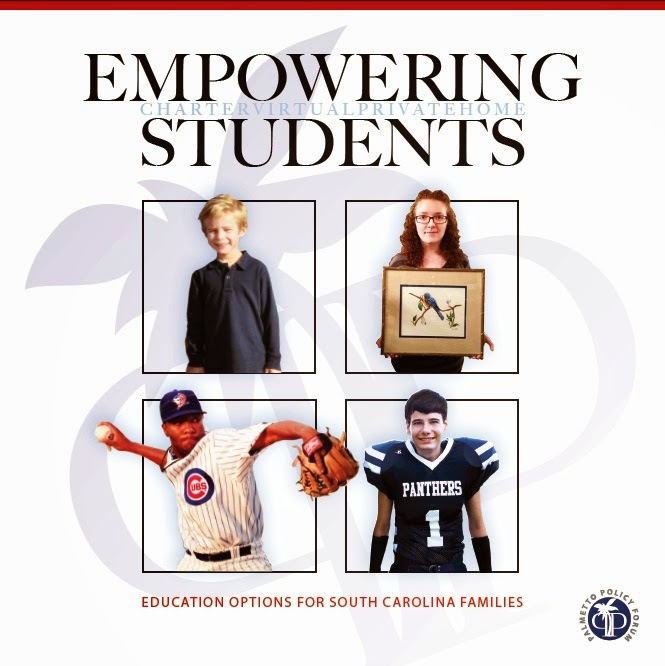
Student empowerment is a crucial aspect of alternative schooling and education. It allows students to take control of their learning journey, fostering independence, self-confidence, and critical thinking skills. Here are eight ways in which student empowerment can be nurtured within an educational setting:
1. Encourage student voice: Give students the opportunity to express their thoughts, opinions, and ideas. This can be achieved through class discussions, group projects, or even by creating platforms where students can share their work with others.
2. Foster a collaborative learning environment: Encourage teamwork and cooperation among students. Collaborative projects promote shared decision-making and help develop valuable interpersonal skills.
3. Offer choices in assignments: Allow students to choose from a range of assignment options that align with their interests and learning styles. Providing autonomy over their learning encourages motivation and engagement.
4. Facilitate goal-setting: Teach students how to set realistic goals for themselves academically and personally. Breaking down larger goals into smaller achievable steps empowers them to take ownership of their progress.
5. Provide opportunities for leadership roles: Assigning leadership responsibilities within the classroom helps build confidence while nurturing organizational skills and empathy towards others.
6. Emphasize reflection: Encourage regular reflection on both successes and failures as part of the learning process. Reflection promotes self-awareness, enabling students to identify areas for growth while celebrating achievements.
7. Incorporate real-world connections: Connect classroom content to real-life experiences by incorporating community service projects or inviting guest speakers who are experts in relevant fields.
8. Support self-directed learning: Provide resources such as books, articles, or online platforms that allow students to explore topics beyond the curriculum independently according to their interests or passions.
By implementing these strategies within alternative schooling environments, we empower our young learners with essential life skills that extend beyond academic achievement alone; they equip them for success in future endeavors while instilling a sense of agency over one’s own education.
 Alternative Amie
Leave a comment