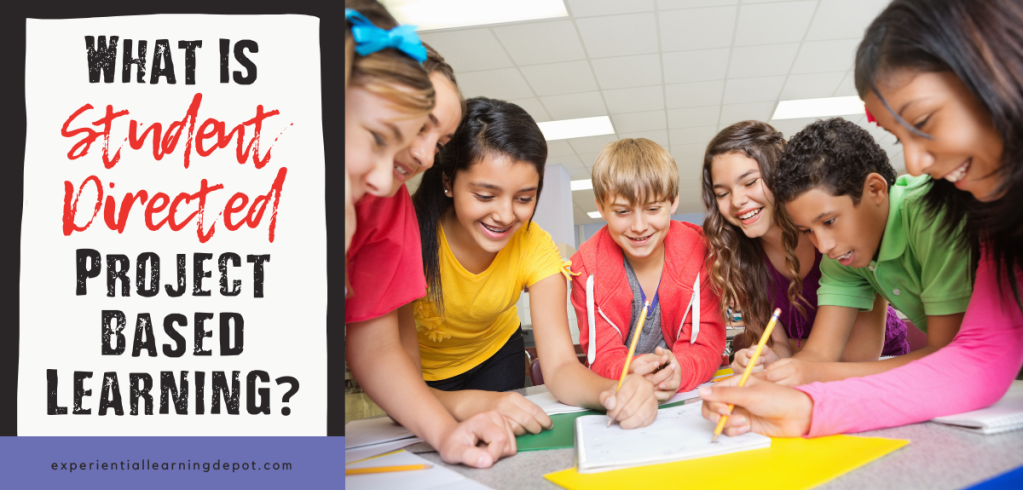
Collaborative Projects in Self-Directed Learning: A Journey of Empowerment and Growth
In the realm of alternative schooling and education, one approach that has been gaining popularity is self-directed learning. This educational philosophy empowers learners to take ownership of their education, allowing them to explore their interests and passions at their own pace. Within this framework, collaborative projects have emerged as an effective tool for fostering creativity, critical thinking, and problem-solving skills.
Collaborative projects in self-directed learning provide a unique opportunity for students to engage with a diverse range of ideas and perspectives. By working together on a common goal, learners not only develop valuable social skills but also learn how to effectively communicate and collaborate with others. These projects encourage active participation where each student brings their individual strengths and expertise to contribute towards a shared outcome.
One key aspect that sets collaborative projects apart from traditional classroom assignments is the level of autonomy given to the students. They have the freedom to choose which project they want to work on based on their interests or personal goals. This element of choice fosters intrinsic motivation as students are more likely to be engaged when pursuing topics they are genuinely passionate about.
Moreover, collaborative projects allow students to explore real-world issues beyond the confines of textbooks or artificial scenarios. By tackling authentic problems or challenges within their communities or globally, learners gain practical experience in applying knowledge acquired through research and exploration. They learn how various disciplines intersect as they work collaboratively across subjects like science, technology, engineering, arts, and mathematics (STEAM). This interdisciplinary approach promotes holistic learning by encouraging students to think critically from multiple perspectives.
Another benefit of collaborative projects is that they promote higher-order thinking skills such as analysis, evaluation, synthesis, and problem-solving. Students are encouraged to think creatively in order to develop innovative solutions or approaches while working collectively with their peers. Through brainstorming sessions and open discussions during project planning stages, learners refine their ideas by incorporating diverse viewpoints and feedback. This collaborative process not only enhances their critical thinking abilities but also nurtures a growth mindset by valuing the iterative nature of learning.
Furthermore, collaborative projects provide an opportunity for students to develop essential life skills that are often overlooked in traditional educational settings. Skills such as leadership, teamwork, time management, and effective communication are naturally cultivated as learners navigate through the complexities of a group project. They learn how to delegate tasks, set deadlines, resolve conflicts constructively, and celebrate achievements together. These skills are invaluable for success in both personal and professional spheres.
In conclusion, collaborative projects in self-directed learning offer a powerful platform for students to take charge of their education while fostering essential skills for lifelong learning. By engaging in meaningful projects that align with their interests and passions, learners not only acquire knowledge but also develop critical-thinking abilities, problem-solving skills, social competencies, and a sense of empowerment. The transformative power of collaboration is evident when students actively contribute to real-world issues and witness the tangible impact they can make as agents of change. As alternative schooling continues to evolve, incorporating more collaborative projects into self-directed learning environments will undoubtedly play a crucial role in preparing young minds for the challenges of tomorrow’s world.
 Alternative Amie
Leave a comment