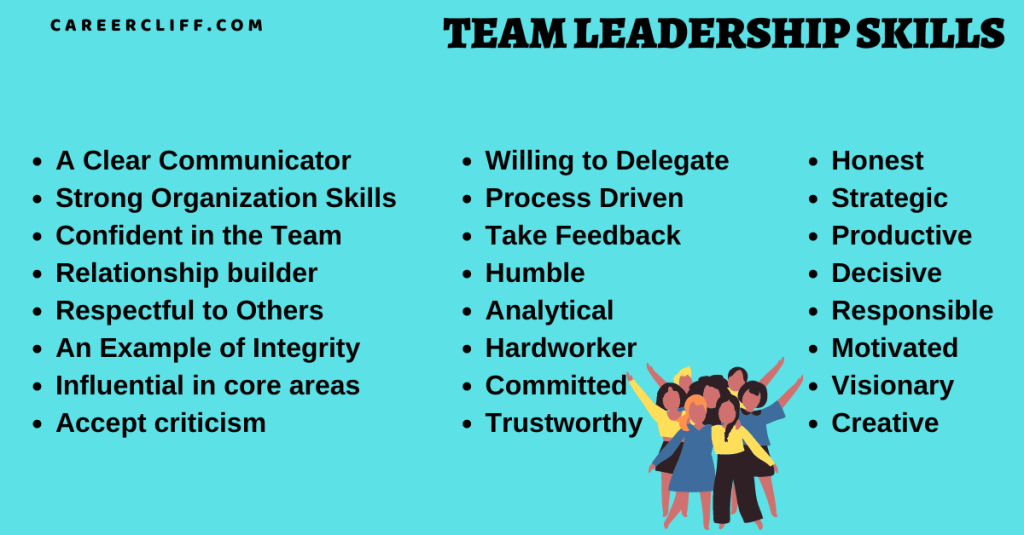
Cultivating Leadership Skills Through Group Work
In today’s rapidly evolving world, the need for strong leaders is more critical than ever. As traditional educational models have started to shift towards alternative schooling and education methods, there has been an increased emphasis on cultivating leadership skills through group work. Collaborative learning experiences provide students with opportunities to develop essential qualities such as communication, problem-solving, teamwork, and decision-making abilities.
Group work in alternative schooling and education fosters a sense of responsibility among students. By working together towards a common goal or project, they learn how their individual actions contribute to the overall success of the team. This helps them understand the importance of accountability and dependability – two fundamental traits that are highly valued in effective leaders.
One significant advantage of group work is the opportunity it provides for improved communication skills. In collaborative settings, students must actively listen to others’ ideas and thoughts while articulating their own perspectives clearly. Through this process, they refine their ability to express themselves effectively and respectfully engage in discussions. These enhanced communication skills are invaluable assets for future leaders who will need to convey their vision and ideas persuasively.
Problem-solving is another crucial aspect of leadership that can be developed through group work activities. When faced with challenges or obstacles during a project, students are encouraged to brainstorm solutions collectively rather than relying solely on individual thinking. This collaborative problem-solving approach allows them to benefit from diverse perspectives and encourages creative thinking outside the box – two key elements necessary for successful leadership in an increasingly complex world.
Teamwork lies at the core of any collaborative endeavor within alternative schooling environments aiming at developing future leaders. Students learn how to collaborate effectively by leveraging each other’s strengths while respecting differences in opinions or approaches. They discover firsthand that achieving shared goals requires cooperation rather than competition – an important mindset shift that enables them not only to lead but also excel as part of a team later in life.
The nature of group work often necessitates making decisions collectively, providing an ideal platform for students to hone their decision-making skills. They learn the importance of considering different viewpoints, analyzing pros and cons, and arriving at a consensus that benefits the entire team. This process allows them to become more comfortable with taking calculated risks and accepting responsibility for their choices – valuable traits for effective leaders who must make tough decisions.
Group work in alternative schooling environments also nurtures empathy and emotional intelligence. Students gain insight into others’ perspectives, experiences, and emotions through collaboration, developing a heightened sense of empathy towards their peers. As future leaders will encounter diverse individuals with various backgrounds and needs, this ability to understand and relate to others is essential in building strong relationships within teams or communities they may lead.
Lastly, group work offers ample opportunities for self-reflection and personal growth. Through constructive feedback from peers or mentors during collaborative projects, students can identify areas of improvement in their leadership style or abilities. They are encouraged to embrace challenges as learning opportunities rather than failures, fostering resilience – an indispensable quality for successful leaders who must navigate adversity.
In conclusion, cultivating leadership skills through group work in alternative schooling and education settings has numerous advantages. By engaging in collaborative learning experiences, students develop not only essential qualities such as communication, problem-solving abilities but also important attributes like teamwork, decision-making skills while nurturing empathy and promoting personal growth. These acquired skills lay a solid foundation for future leaders who can confidently tackle real-world challenges while inspiring those around them toward shared goals.
 Alternative Amie
Leave a comment