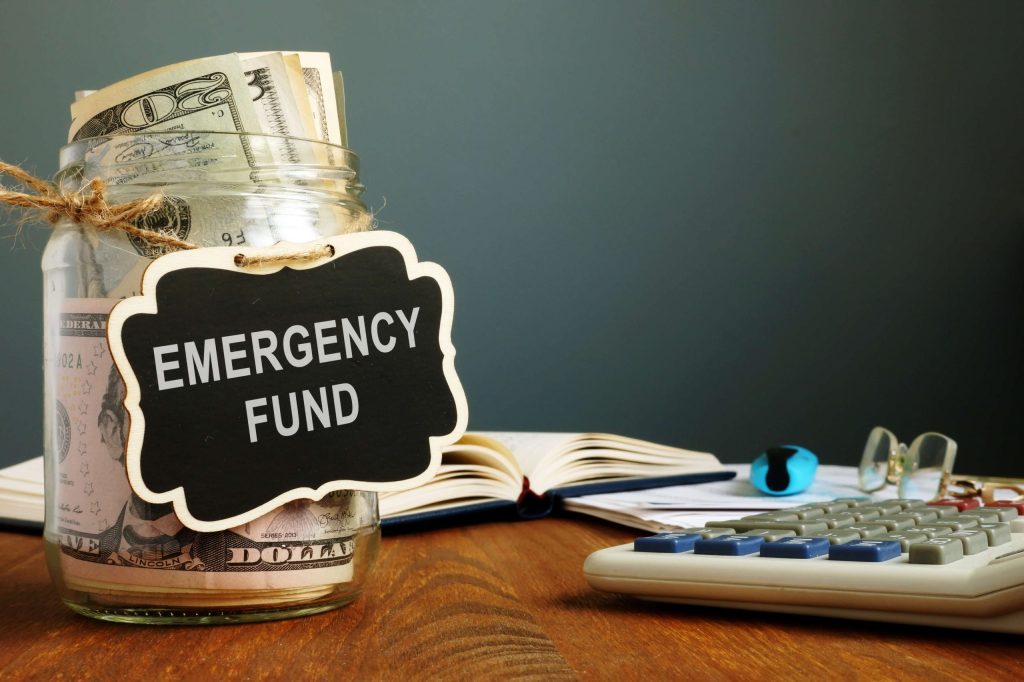
Building an Emergency Fund: A Must-Have Skill for Alternative Learners
When it comes to alternative schooling and education, there are many unique aspects to consider. From unconventional learning environments to self-directed curricula, these non-traditional approaches offer a wealth of opportunities for growth and exploration. However, amidst the excitement and freedom that alternative learners experience, it’s crucial not to overlook the importance of financial literacy.
One fundamental aspect of financial literacy is building an emergency fund. Whether you’re a student pursuing independent studies, homeschooling your children, or engaging in any form of alternative education, having a safety net in place can provide invaluable peace of mind. In this article, we will explore what an emergency fund is, why it is important for alternative learners, and how you can start building one today.
What Is an Emergency Fund?
An emergency fund is a designated amount of money set aside specifically for unexpected expenses or unforeseen circumstances. It acts as a buffer between you and potential financial crises by covering expenses such as medical emergencies, car repairs, or job loss. The primary purpose of this fund is to alleviate stress and prevent individuals from going into debt when faced with unexpected situations.
Why Is It Important for Alternative Learners?
Alternative learners often have unique lifestyles that may differ significantly from those who follow traditional educational paths. They may be engaged in part-time work or entrepreneurial ventures while simultaneously pursuing their studies. Alternatively, some parents choose to homeschool their children rather than sending them to conventional schools.
In both cases – whether you’re a student or parent – having an emergency fund becomes even more critical due to the potential irregularity or unpredictability of income streams associated with alternative education choices. Since these pathways often lack the stability provided by traditional employment settings or consistent paychecks, having savings readily available can help navigate uncertain times without compromising your educational goals.
Moreover, alternative learners tend to prioritize experiences over material possessions and societal expectations. By embracing unconventional educational paths, they often reject the notion of conforming to societal norms, including consumerism and debt accumulation. Building an emergency fund aligns perfectly with this philosophy, empowering alternative learners to maintain financial independence and avoid falling into the trap of living paycheck to paycheck.
How to Start Building an Emergency Fund:
1. Set Clear Financial Goals: Begin by establishing clear objectives for your emergency fund. Determine how much money you would like to save and how quickly you want to reach that goal. Having a specific target will help keep you motivated and committed throughout the process.
2. Analyze Your Income and Expenses: Take a close look at your income sources as well as your expenses. Identify areas where you can cut back or reduce costs in order to allocate more funds toward building your emergency fund.
3. Create a Budget: Develop a budget that encompasses all necessary expenses while also accounting for regular contributions towards your emergency fund. This will allow you to track your progress consistently and adjust spending habits accordingly.
4. Automate Savings: Utilize technology by automating regular deposits into your emergency fund from each paycheck or any other income sources you may have. Setting up automatic transfers ensures that saving becomes a priority without requiring constant manual effort.
5. Explore Additional Income Streams: Consider exploring additional ways of generating income alongside your alternative education pursuits. This could involve taking on part-time work, freelancing, tutoring, or monetizing skills through online platforms – essentially anything that complements your learning journey while providing extra financial stability.
6. Minimize Debt: Prioritize paying off existing debts as soon as possible since interest payments can hinder progress in building an emergency fund effectively.
7. Be Patient and Persistent: Building an emergency fund takes time, dedication, and discipline – especially for alternative learners who may face unique challenges along their educational journeys. Remember that every small contribution counts and stay committed even during periods when progress feels slow.
Conclusion:
Alternative schooling offers tremendous opportunities for personal growth and learning. However, financial preparedness should not be neglected in the pursuit of educational freedom. Building an emergency fund is a vital skill that all alternative learners should develop to ensure stability, peace of mind, and the ability to weather unexpected storms without derailing their educational goals.
By setting clear objectives, analyzing income and expenses, creating a budget, automating savings, exploring additional income streams, minimizing debt, and maintaining patience and persistence throughout the process – alternative learners can successfully build an emergency fund while staying true to their non-traditional educational paths.
Remember: financial literacy is an essential component of holistic education. By mastering this aspect alongside your chosen alternative learning journey, you are equipping yourself with valuable skills that will serve you well beyond the realm of academics.
 Alternative Amie
Leave a comment