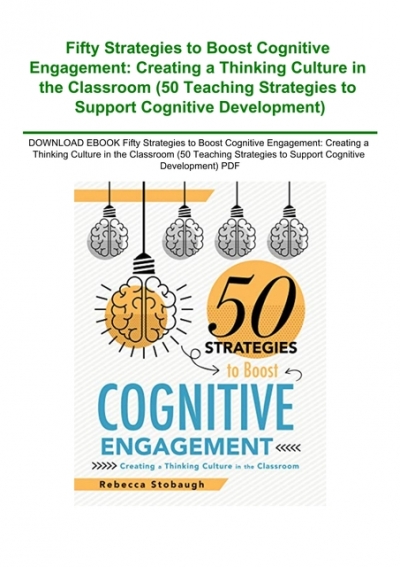
Cognitive development is a crucial aspect of a child’s growth, as it encompasses the ability to think, reason, and problem-solve. Alternative schooling and education provide unique opportunities for promoting cognitive development in children. Here are 15 effective strategies:
1. Encourage active learning: Engage students in hands-on activities that require critical thinking and problem-solving skills.
2. Foster curiosity: Encourage students to ask questions and explore their interests through research projects and investigations.
3. Emphasize creativity: Incorporate arts-based activities such as painting, music, or drama to enhance divergent thinking skills.
4. Promote independent thinking: Provide opportunities for students to make decisions, solve problems independently, and express their own opinions.
5. Use multi-sensory approaches: Incorporate visual aids, manipulatives, and technology tools to engage multiple senses during learning experiences.
6. Collaborative learning: Encourage group work and team projects that promote communication skills and the exchange of ideas among peers.
7. Mindfulness practices: Teach mindfulness techniques like deep breathing exercises or meditation to help improve focus and attention span.
8. Real-world connections: Relate classroom concepts to real-life situations so that students can understand how they apply outside of school.
9. Gamification: Integrate educational games into the curriculum to make learning fun while developing problem-solving abilities.
10. Outdoor education: Take advantage of nature by organizing field trips or incorporating outdoor activities that stimulate observation skills and creativity.
11. Socratic questioning: Utilize open-ended questions during discussions to encourage critical thinking rather than providing direct answers.
12. Inquiry-based learning: Guide students through self-directed investigations where they learn by asking questions instead of simply receiving information from teachers.
13. Flexible assessment methods: Employ various forms of assessment (e.g., portfolios or presentations) that allow students to demonstrate their knowledge in different ways beyond traditional tests or exams only
14.Encourage reflection on learning: Provide time for students to reflect on their thinking processes, identify areas of growth, and set goals for improvement.
15. Individualized instruction: Tailor teaching methods to each student’s unique strengths and weaknesses, allowing them to progress at their own pace.
By implementing these strategies in alternative schooling and education settings, educators can help foster cognitive development in children while promoting a love for learning and a strong foundation for future academic success.
 Alternative Amie
Leave a comment