Authentic Assessments: A Path to Meaningful Learning
In the realm of education, assessment plays a critical role in measuring students’ understanding and progress. However, traditional assessments often fall short in providing a comprehensive view of a student’s abilities and readiness for real-world challenges. This is where authentic assessments step in, offering a more holistic approach to evaluating student learning.
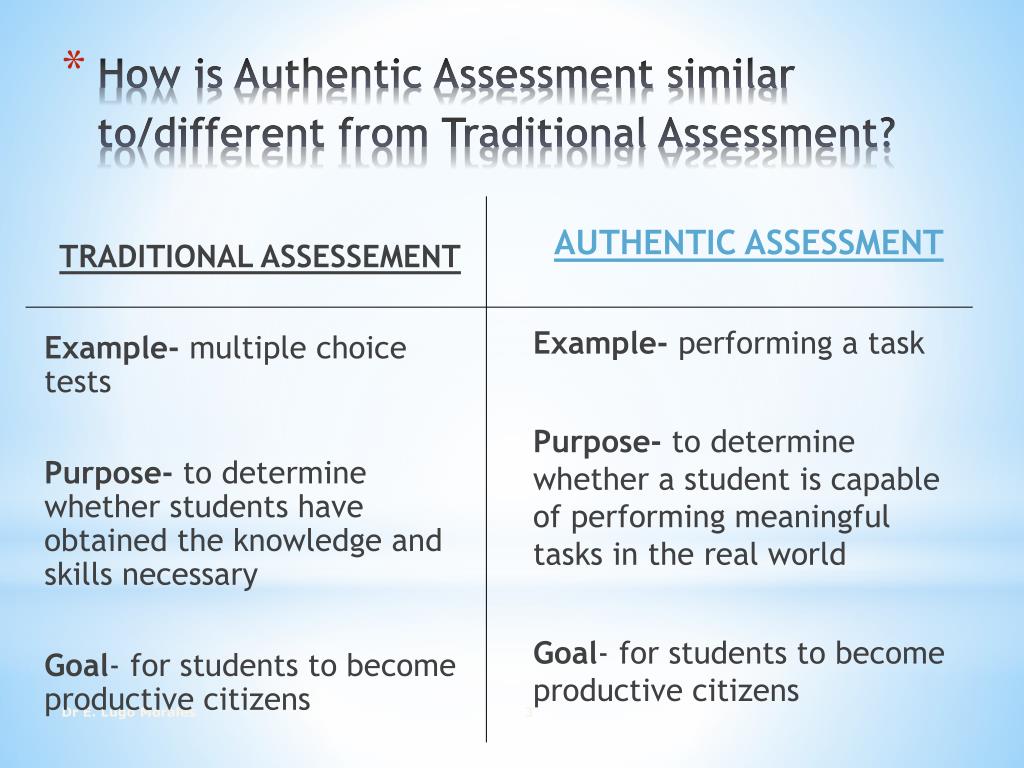
So, what exactly are authentic assessments? Simply put, they are tasks or projects that mirror real-life situations and require students to apply their knowledge and skills in meaningful ways. Unlike multiple-choice tests or rote memorization exercises, these assessments allow students to showcase their understanding through practical applications.
One key feature of authentic assessments is that they focus on higher-order thinking skills such as problem-solving, critical thinking, creativity, collaboration, and communication. By engaging students in complex tasks that resemble real-world scenarios, these assessments not only evaluate their understanding but also foster the development of essential skills needed for success beyond the classroom.
Let’s take an example to illustrate this concept further. Instead of giving students a written exam on climate change theories, an authentic assessment might involve asking them to research local environmental issues and propose sustainable solutions for their community. In doing so, students not only demonstrate their knowledge but also gain valuable experience in conducting research, analyzing data critically, communicating ideas effectively, and collaborating with peers – all crucial skills for addressing environmental challenges in the future.
Authentic assessments can take various forms depending on the subject matter and grade level. They could include creating multimedia presentations or videos that explain scientific concepts using everyday examples; designing prototypes or models to solve engineering problems; writing persuasive essays or opinion pieces about current events; organizing debates or simulations based on historical events; or even developing business plans for entrepreneurial endeavors.
By integrating authentic assessments into the curriculum regularly rather than relying solely on traditional testing methods like exams and quizzes, educators create opportunities for deeper engagement with content while nurturing transferable skills prized in the real world. These assessments encourage active learning and promote a growth mindset, as students are motivated to explore topics they find relevant and meaningful.
Moreover, authentic assessments provide teachers with valuable insights into their students’ progress and areas of improvement. By observing students in action during these tasks, educators gain a more comprehensive understanding of each student’s strengths, weaknesses, and individual learning styles. This knowledge allows them to tailor instruction better and provide targeted support where needed.
It is important to note that authentic assessments do not replace traditional forms of assessment entirely but rather complement them. Both types have their place in education; however, incorporating authentic assessments provides a more comprehensive picture of students’ abilities while fostering skills essential for success in the 21st century.
In conclusion, authentic assessments offer an innovative approach to evaluating student learning by emphasizing practical applications and higher-order thinking skills. By engaging students in real-world tasks that mirror challenges they may encounter outside the classroom, these assessments contribute not only to accurate evaluation but also to the development of transferable skills crucial for lifelong success. As education evolves towards preparing students for an ever-changing world, embracing authentic assessments can lead us down a path of meaningful learning experiences for all learners.
 Alternative Amie
Leave a comment