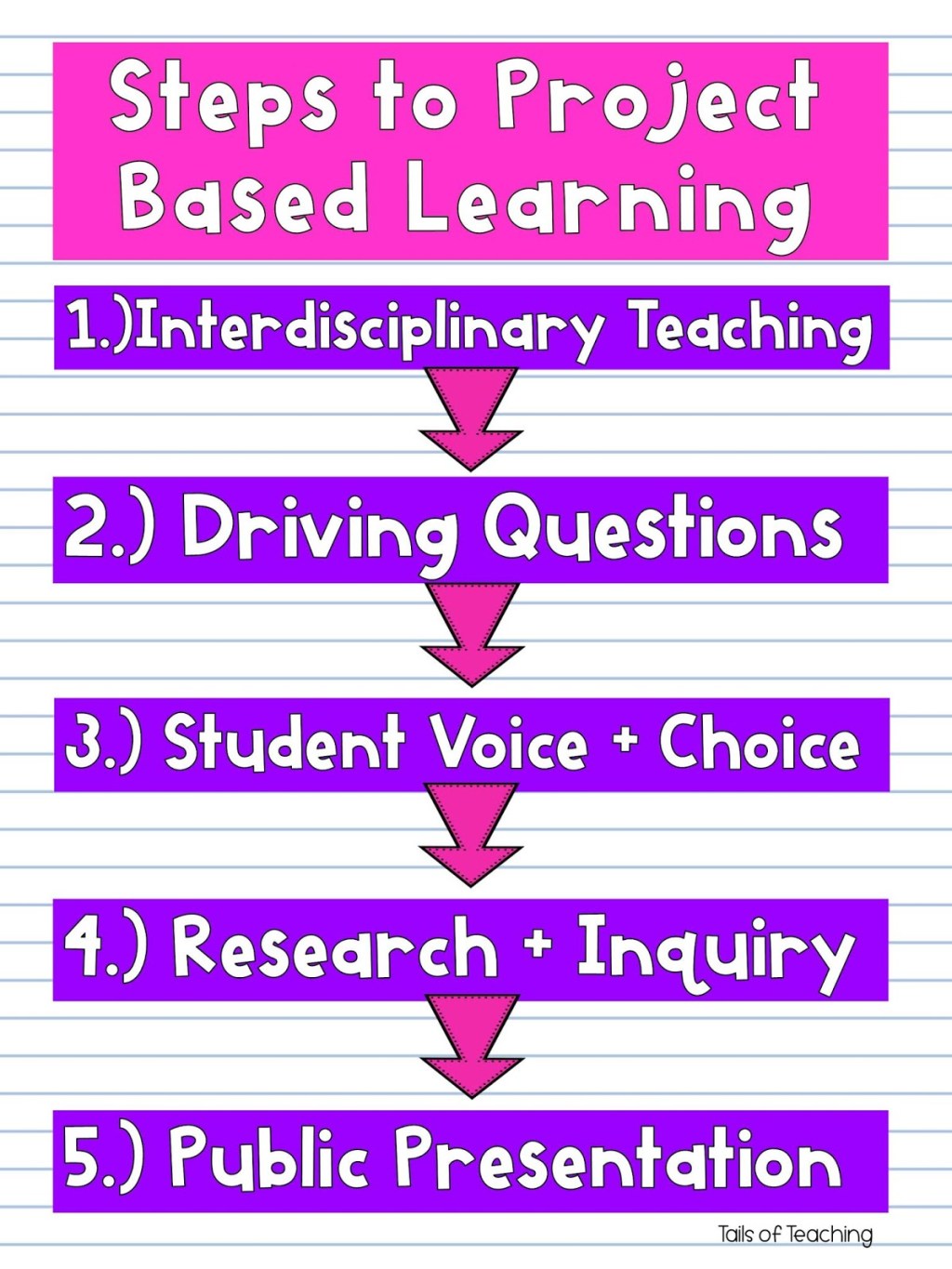
Project-based learning (PBL) is an innovative approach to education that emphasizes student engagement, collaboration, and critical thinking skills. In PBL, students work on projects that are relevant to real-world problems or scenarios.
One of the key benefits of project-based learning is its ability to enhance students’ understanding and retention of knowledge. By actively participating in hands-on projects, students can apply what they have learned in a meaningful way, leading to a deeper understanding of the subject matter. This approach also encourages creativity and problem-solving skills as students are required to think critically and come up with solutions for their projects.
Another advantage of PBL is its ability to foster collaboration among students. Projects often require teamwork and cooperation, allowing students to develop effective communication skills and learn how to work together towards a common goal. Collaborative learning promotes social interaction, empathy, and respect for others’ ideas.
Additionally, project-based learning helps prepare students for the real world by providing them with opportunities to develop important skills such as time management, organization, research abilities, presentation skills, and self-direction. These transferable skills are highly valued in today’s job market.
Furthermore, PBL allows for personalized learning experiences as it gives students the freedom to explore topics that interest them within the framework of their projects. This autonomy fosters intrinsic motivation and increases student engagement.
However, implementing project-based learning effectively requires careful planning from educators. It involves designing inquiry-driven projects that align with curriculum standards while also allowing flexibility for student exploration. Teachers must provide guidance throughout the process and facilitate discussions that encourage critical thinking.
In conclusion, project-based learning offers numerous benefits for students including increased understanding of concepts through hands-on application; fostering collaboration among peers; developing essential life skills; promoting personalization within education; enhancing motivation through engaging activities; all while preparing them for success beyond the classroom walls.
 Alternative Amie
Leave a comment