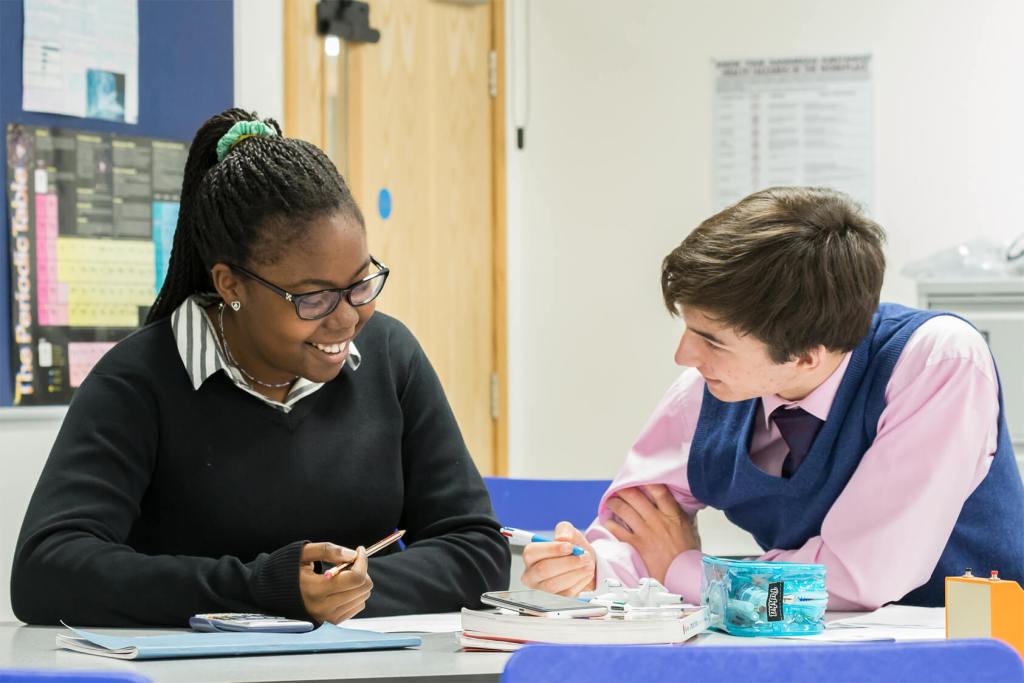
Peer Mentoring: Empowering Students for Success in Alternative Education Programs
Introduction:
In alternative education programs, where students have unique needs and circumstances, peer mentoring has emerged as a powerful tool to foster student success. Peer mentoring involves pairing an experienced student mentor with a mentee who faces specific challenges or belongs to a particular group. This form of support not only enhances academic performance but also promotes personal growth and social development among students. In this article, we will explore the benefits and impact of peer mentoring in alternative education programs.
1. Peer Mentoring for Students with Learning Disabilities:
For students with learning disabilities, navigating the educational landscape can be particularly challenging. However, when paired with a peer mentor who has overcome similar obstacles, these students gain invaluable support and guidance. Peer mentors provide assistance in areas such as organization skills, study strategies, and accessing appropriate resources tailored to their specific needs.
2. Peer Mentoring for Students with Behavioral Challenges:
Students facing behavioral challenges often require additional support to succeed academically and socially within an alternative education setting. By connecting them with peer mentors who have successfully managed their behavior issues, these students learn effective coping mechanisms and develop positive relationships built on understanding and empathy.
3. Peer Mentoring for At-Risk Youth:
At-risk youth face multiple barriers to success including poverty, unstable home environments, or involvement in criminal activities. Through peer mentoring programs specifically designed for at-risk youth, they receive guidance from mentors who have faced similar struggles but have triumphed over adversity themselves. These connections help build resilience while providing practical tools for overcoming obstacles.
4. Peer Mentoring for LGBTQ+ Students:
LGBTQ+ students often encounter unique challenges related to identity acceptance, isolation, discrimination, or mental health concerns within traditional educational settings. Pairing them with LGBTQ+ peer mentors creates safe spaces where they can discuss their experiences openly while fostering self-acceptance and empowerment.
5. Peer Mentoring for Students from Low-Income Backgrounds:
Students from low-income backgrounds may lack access to resources and opportunities that their peers take for granted. Peer mentoring programs bridge this gap by connecting these students with mentors who have successfully navigated similar circumstances. Mentors can provide guidance on college applications, scholarships, and financial aid while offering emotional support and encouragement.
6. Peer Mentoring for Students with Mental Health Issues:
Mental health issues can significantly impact a student’s ability to thrive academically and personally. Pairing students with peer mentors who have experienced mental health challenges themselves creates an environment of understanding, empathy, and practical support where they feel safe discussing their struggles without fear of stigma or judgment.
7. Peer Mentoring for Immigrant and Refugee Students:
Immigrant and refugee students face unique cultural, language, and integration barriers in the education system. By pairing them with peer mentors who have shared similar experiences or come from similar backgrounds, these students receive guidance on navigating unfamiliar systems while gaining confidence in their abilities to succeed academically.
8. Peer Mentoring for Students with Physical Disabilities:
Students with physical disabilities often require additional accommodations to fully participate in educational activities. By pairing them with peer mentors who understand the challenges they face firsthand, they gain valuable insights into accessibility options as well as emotional support in overcoming personal obstacles.
9. Peer Mentoring for Gifted and Talented Students:
Gifted and talented students also benefit from peer mentoring programs designed specifically to nurture their unique strengths and talents further. These programs offer opportunities for intellectual growth through mentor-guided projects or collaborative learning experiences tailored to challenge their potential.
10. Peer Mentoring for Students in Alternative Education Programs:
Peer mentoring within alternative education settings provides targeted support that addresses the specific needs of this diverse student population holistically. Whether it is academic assistance, social-emotional development, or career guidance – peer mentors become a valuable resource aiding students’ success outside traditional school environments.
Conclusion:
In alternative education programs, peer mentoring has proven to be a transformative force, empowering students to overcome barriers and achieve their full potential. By providing targeted support and guidance, peer mentors create an environment that fosters academic success, personal growth, and social development. As the benefits of peer mentoring become increasingly evident across various student populations in alternative education programs, it is essential for educational institutions to embrace and cultivate these mentorship opportunities for the betterment of all students involved.
 Alternative Amie
Leave a comment