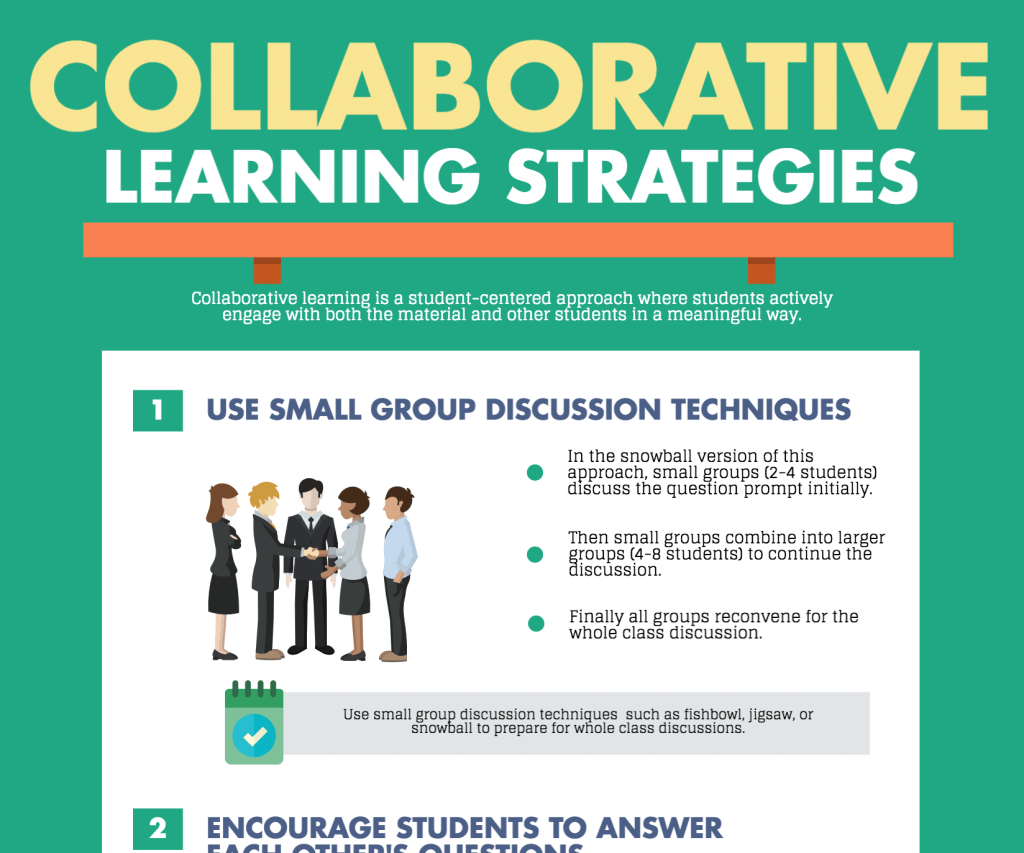
Facilitating Group Discussions: Nurturing Learning and Collaboration
Introduction:
In alternative schooling and education, group discussions play a crucial role in fostering active learning, critical thinking, and collaboration among students. Unlike traditional lecture-based classrooms, where the teacher is the sole source of knowledge, group discussions create a dynamic environment where ideas are shared and diverse perspectives are explored. Facilitating effective group discussions requires careful planning, skillful moderation, and creating an inclusive atmosphere that encourages participation from all members. In this post, we will explore strategies for facilitating fruitful group discussions that maximize learning outcomes.
Setting the Stage:
Before diving into the facilitation techniques themselves, it is important to establish a conducive environment for group discussions. Create a physical space that promotes open communication by arranging chairs in a circle or semi-circle to encourage eye contact and equal participation. Emphasize respect for others’ opinions by setting ground rules such as active listening, speaking one at a time, and refraining from judgment.
Preparation:
To ensure productive conversations during the discussion session itself, adequate preparation is key. As an educator or facilitator, familiarize yourself with the topic being discussed to provide guidance when needed. Prepare thought-provoking questions or prompts that stimulate critical thinking and promote deeper exploration of concepts.
Icebreakers:
At the beginning of each discussion session, start with icebreaker activities to create a relaxed atmosphere and allow participants to connect on a personal level before delving into academic topics. Icebreakers can include simple games like two truths and one lie or sharing personal anecdotes related to the subject matter.
Active Listening Skills:
Active listening is fundamental during group discussions as it demonstrates respect for others’ contributions while enabling deeper understanding of different perspectives. Encourage participants to maintain eye contact with speakers and ask clarifying questions if necessary. Avoid interrupting speakers; instead foster an environment where everyone has ample opportunity to express their thoughts.
Equal Participation:
One common challenge in group discussions is ensuring equal participation from all members. Some students may dominate the conversation, while others remain silent. To address this issue, implement techniques such as “round-robin” where each participant takes turns sharing their thoughts or assigning roles like a timekeeper or note-taker to distribute responsibilities evenly.
Encouraging Disagreement:
While it is important to create a safe and respectful environment, encouraging healthy disagreement can lead to more robust discussions. Teach students to criticize ideas rather than individuals and provide evidence-based arguments to support their viewpoints. This allows participants to develop critical thinking skills while learning how diverse perspectives can enrich the learning experience.
Summarizing and Synthesizing:
Throughout the discussion, periodically summarize key points raised by participants. This helps consolidate ideas and ensures that everyone is on the same page. Encourage participants to build on each other’s contributions by identifying connections between different perspectives or concepts discussed. Synthesizing information fosters deeper understanding and promotes collaborative problem-solving.
Using Visual Aids:
Visual aids such as charts, diagrams, or infographics can be valuable tools during group discussions. These visual representations help clarify complex concepts, stimulate engagement, and provide a visual reference for participants’ ideas. Utilize technology effectively by displaying visual aids on screens or providing handouts for easy reference.
Managing Conflict:
Inevitably, conflicts may arise during group discussions due to differences in opinions or misunderstandings among participants. As a facilitator, it is crucial to manage these conflicts constructively without suppressing individual voices. Encourage active listening and empathy when resolving disagreements while focusing on finding common ground rather than winning an argument.
Reflections and Feedback:
At the end of each group discussion session, provide opportunities for reflection and feedback from both facilitators and participants alike. Ask open-ended questions about what was learned during the session or any challenges encountered along the way. Constructive feedback enables continuous improvement in facilitating future discussions while reinforcing positive aspects of students’ participation.
Conclusion:
Facilitating group discussions in alternative schooling and education environments cultivates a collaborative and engaging learning experience. By creating an inclusive environment, preparing thought-provoking prompts, promoting active listening, ensuring equal participation, encouraging healthy disagreement, and effectively managing conflicts, educators can facilitate fruitful discussions that enhance critical thinking skills and foster deeper understanding. Group discussions empower students to take ownership of their learning journey while embracing diverse perspectives in pursuit of knowledge.
 Alternative Amie
Leave a comment