Microschooling for children with special needs:
Microschooling is an innovative approach to education that offers a personalized and flexible learning experience for students. This model has gained popularity in recent years, and it can be particularly beneficial for children with special needs.
One of the key advantages of microschooling for children with special needs is the small class size. With fewer students in the classroom, teachers are able to provide individualized attention and support to each child. This allows them to tailor their teaching methods and curriculum to meet the unique needs of every student.
Incorporating outdoor education in microschools:
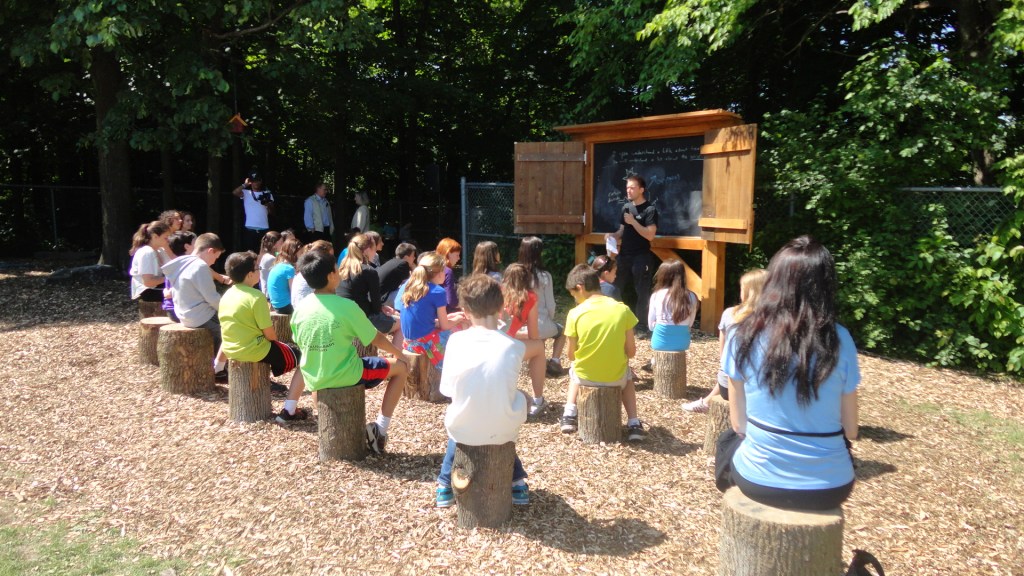
Outdoor education is an essential component of holistic learning, promoting physical health, emotional well-being, and environmental awareness. Microschools have a unique advantage when it comes to incorporating outdoor education into their curricula.
By having smaller class sizes, microschools can easily organize field trips and outdoor activities without logistical challenges. These experiences provide hands-on learning opportunities where students can explore nature, develop problem-solving skills, and foster a sense of connection with the environment.
Microschools and project-based learning:
Project-based learning is a student-centered approach that encourages critical thinking, collaboration, and creativity. In microschools, this method fits seamlessly into the personalized curriculum framework.
With small class sizes and flexible schedules, microschools allow students to engage deeply in long-term projects that align with their interests or passions. This fosters a sense of ownership over their own education while developing important skills such as research abilities, time management techniques, and presentation skills.
The role of technology in microschool classrooms:
Technology plays a vital role in enhancing educational experiences within microschool classrooms. It provides access to vast resources beyond traditional textbooks while facilitating communication between teachers and students.
Incorporating technological tools like tablets or laptops enables personalized instruction through interactive lessons tailored specifically for each student’s level or pace. Additionally, online platforms facilitate virtual collaborations among peers from different locations or backgrounds whenever face-to-face interaction is not possible.
Microschools and social-emotional learning:
Social-emotional learning (SEL) is a crucial aspect of education that helps students develop self-awareness, empathy, and interpersonal skills. Microschools provide an ideal environment for nurturing SEL competencies.
With smaller class sizes, teachers can forge strong relationships with students and create a supportive community within the microschool. This allows for focused attention on emotional well-being, conflict resolution strategies, and fostering positive peer relationships.
Microschooling offers numerous benefits for children with special needs by providing individualized attention and support. Incorporating outdoor education in microschools promotes physical health, emotional well-being, and environmental awareness. Project-based learning engages students’ critical thinking skills while technology enhances their educational experiences. Social-emotional learning is nurtured through strong teacher-student relationships in microschool environments.
Please let me know if you need assistance with any other topics or information!
 Alternative Amie
Leave a comment