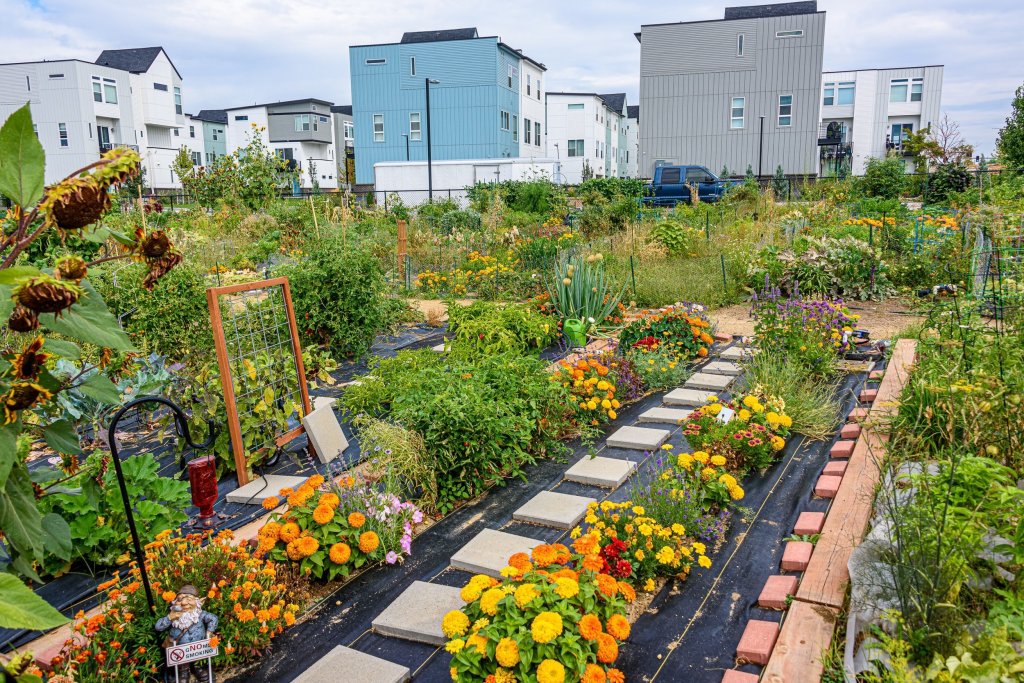
Urban Farming: A Sustainable Solution for Alternative Schooling and Education
Introduction:
In recent years, urban farming has gained significant attention as a sustainable solution to food production in densely populated areas. As the world’s population continues to grow, finding innovative ways to feed our communities becomes increasingly important. Urban farming not only provides fresh and healthy produce but also offers numerous educational opportunities for alternative schooling systems. This article explores the benefits of urban farming in an educational context, highlighting how it can be integrated into alternative schools and education programs.
1. What is Urban Farming?
Urban farming refers to the practice of cultivating food within cities or urban areas using various techniques such as rooftop gardens, vertical farms, hydroponics, aquaponics, and community gardens. It aims to maximize limited space while minimizing transportation distances from farm to table. Urban farmers often employ sustainable practices like composting and rainwater harvesting to reduce their environmental footprint.
2. Benefits of Urban Farming in Alternative Schooling:
2.1 Environmental Awareness:
Integrating urban farming into alternative schooling programs helps raise students’ awareness about environmental issues such as water conservation, waste management, and biodiversity preservation. By engaging in hands-on activities like planting seeds, nurturing plants, and observing ecosystems at work within these controlled environments, students develop a deeper understanding of their ecological responsibilities.
2.2 Health and Nutrition:
Urban farms provide an opportunity for students to learn about healthy eating habits by growing their own fruits and vegetables organically without harmful pesticides or chemicals commonly found in conventional agriculture practices. This experiential learning approach fosters a sense of connection between food production and nutrition choices.
2.3 Social Interaction:
Community gardens or shared plots encourage collaboration among students as they work together towards common goals such as maintaining garden beds or organizing farmers’ markets where surplus produce can be sold or exchanged with other local producers or consumers.
2.4 Entrepreneurship Skills:
By participating in urban farming projects within alternative schooling systems, students can develop entrepreneurial skills that can be applied to various fields. They learn about marketing, budgeting, salesmanship, and customer service through activities like selling produce or value-added products made from their harvests.
3. Integration of Urban Farming into Alternative Schools:
3.1 Curriculum Integration:
Urban farming can be seamlessly integrated into the curriculum of alternative schools across different subjects. For example:
– In science classes, students can study plant biology, soil composition, and the role of beneficial insects in pest control.
– Math lessons could involve measuring garden plots or calculating crop yields.
– English classes may focus on writing reports or reflective journals about experiences in the urban farm.
– Social studies classes might explore food justice issues or examine sustainable farming practices around the world.
3.2 School Gardens:
Alternative schools can establish on-site gardens where students actively participate in all aspects of farming – from planning and planting to harvesting and cooking using fresh ingredients they have grown themselves. These school gardens serve as valuable outdoor classrooms for hands-on learning experiences.
3.3 Field Trips and Community Partnerships:
Visiting local farms or community gardens allows students to witness different urban farming models firsthand while engaging with farmers who provide insights into sustainable agriculture techniques. Collaborating with local organizations involved in urban farming creates meaningful partnerships that support educational goals while expanding opportunities for real-world learning beyond the school environment.
4. Case Studies: Successful Examples
4.1 The Edible Schoolyard Project (Berkeley):
The Edible Schoolyard Project is a renowned initiative that began at Martin Luther King Jr Middle School in Berkeley, California. It integrates gardening and cooking programs into its curriculum to teach academic subjects through experiential learning methods centered around food production and sustainability.
4.2 Green Bronx Machine (New York City):
Green Bronx Machine transforms underutilized spaces such as abandoned lots or empty school buildings into thriving indoor farms called “Tower Gardens.” The program focuses on empowering students through hands-on learning experiences and fostering a sense of community engagement.
5. Challenges and Solutions:
5.1 Limited Space:
One significant challenge in urban farming is the limited space available in densely populated areas. However, this limitation can be overcome by utilizing innovative techniques like vertical gardening or hydroponics that maximize productivity within small footprints.
5.2 Funding:
Implementing urban farming projects may require initial investment for infrastructure, equipment, and training. Seeking grants or partnering with local organizations, businesses, or government initiatives can help secure funding for alternative schools interested in integrating urban farming into their curricula.
Conclusion:
Urban farming provides a sustainable solution to food production while offering invaluable educational opportunities for alternative schooling systems. By incorporating hands-on experiences in growing food within the school environment, students develop critical skills related to environmental awareness, health and nutrition, social interaction, and entrepreneurship. Integrating urban farming into curricula helps foster an understanding of ecological responsibilities while encouraging active participation in creating a more sustainable future. With proper planning and collaboration with local communities, alternative schools can successfully implement urban farming initiatives to enhance their educational programs for the benefit of both students and the wider community.
 Alternative Amie
Leave a comment