Collaboration and Communication: Essential Skills for Alternative Schooling
In the ever-evolving landscape of education, alternative schooling approaches have gained significant attention. These non-traditional methods prioritize individualized learning, critical thinking, and creativity while fostering a sense of community and collaboration among students. In this context, effective communication and collaboration skills become essential for both students and educators alike.
Alternative schools often adopt a more flexible curriculum that allows students to explore their interests at their own pace. This approach encourages independent thinking and self-direction in learning. However, it also emphasizes the importance of collaboration as an avenue for growth and enrichment.
One of the primary benefits of collaboration is that it exposes students to diverse perspectives and ideas beyond their immediate experiences. By working together on projects or engaging in group discussions, learners gain exposure to different viewpoints, leading to increased empathy and understanding.
Moreover, collaborating with peers helps develop essential social skills such as active listening, compromise, negotiation, conflict resolution, and teamwork. These skills are not only applicable within the educational setting but also crucial for success in future careers where teamwork plays a vital role.
Effective communication goes hand in hand with collaboration. Clear communication is necessary for conveying thoughts efficiently while actively listening ensures understanding between parties involved. Alternative schools recognize the significance of these skills by providing ample opportunities for students to express themselves openly through various mediums – whether it be written assignments or oral presentations.
Alternative schooling environments often encourage open dialogue by creating safe spaces where students feel comfortable sharing their opinions without fear of judgment or criticism. This fosters mutual respect among individuals with differing viewpoints while promoting constructive conversations that challenge assumptions.
By honing these communication skills from an early stage, alternative school graduates are better equipped to navigate real-world situations effectively – both personally and professionally.
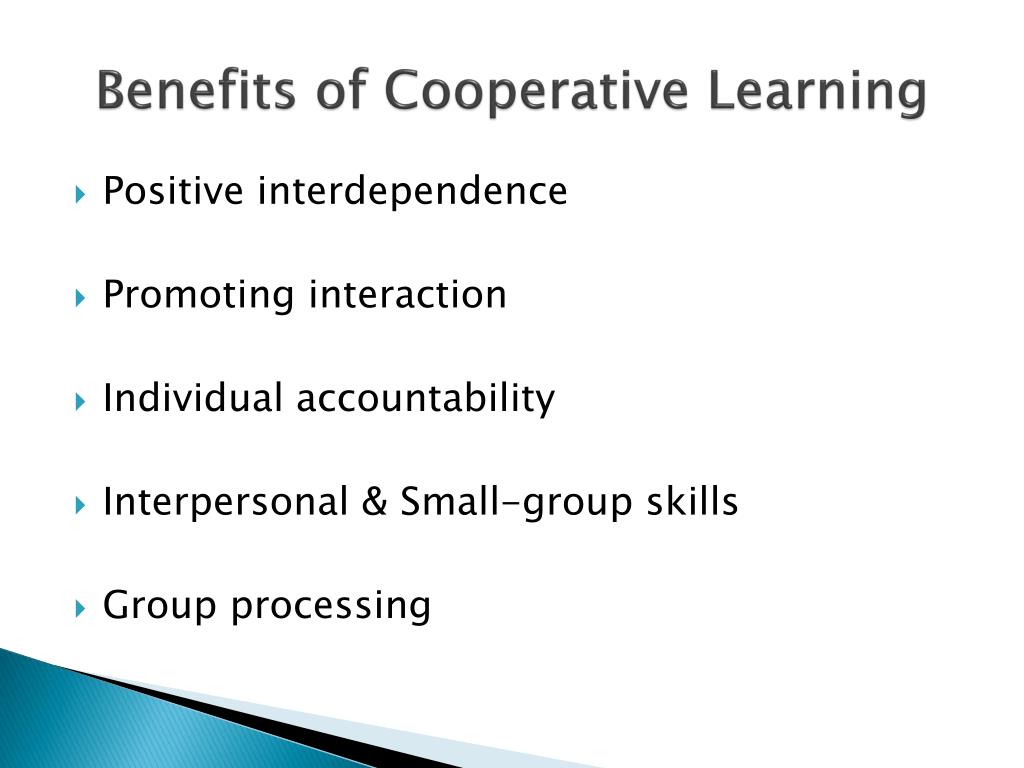
Furthermore, collaborative projects provide an excellent platform for applying theoretical knowledge into practical scenarios. Working together on complex tasks allows students to pool their strengths while mitigating individual weaknesses. In turn, this cultivates a sense of interdependence and encourages students to recognize the value in seeking help from others when needed.
Alternative schools often utilize project-based learning approaches that require students to work together on long-term assignments. These projects encourage critical thinking, problem-solving, creativity, and effective communication – skills that are highly sought after in today’s job market.
In addition to its impact on student learning outcomes, collaboration and communication also benefit educators within alternative schooling environments. Teachers become facilitators rather than sole providers of information. They guide discussions, encourage active participation, and create an environment where everyone’s voice is valued.
Collaboration among teachers is equally important as it helps share best practices and innovative teaching methods. By working collaboratively with colleagues, educators can tap into a wealth of knowledge and experience while refining their own teaching strategies.
Alternative schools also emphasize parental involvement through regular communication channels such as progress reports or parent-teacher conferences. This ensures parents are well-informed about their child’s progress while creating opportunities for meaningful partnerships between home and school.
To effectively foster collaboration and communication within alternative schooling environments, certain strategies can be employed:
1. Establishing clear guidelines: Providing students with guidelines for effective collaboration sets the foundation for successful group work. It clarifies expectations regarding responsibilities, deadlines, respectful behavior towards peers’ ideas, and conflict resolution methods.
2. Encouraging active participation: Creating an inclusive classroom culture where all voices are heard promotes student engagement. Teachers should facilitate discussions by encouraging quieter students to participate actively while managing dominant personalities to ensure equal contribution from all learners.
3. Utilizing technology: With advancements in technology, online platforms provide excellent tools for collaborative learning beyond physical classrooms. Virtual discussion boards or video conferencing platforms enable remote collaboration among students who may not be physically present at the same location.
4. Peer feedback: Incorporating peer feedback sessions enables students to learn from one another while enhancing their ability to give constructive criticism. This practice cultivates a growth mindset, as students view feedback as an opportunity for improvement rather than criticism.
In conclusion, collaboration and communication skills are vital components of alternative schooling approaches. By fostering these skills within a supportive and inclusive learning environment, alternative schools prepare students not only for academic success but also for future personal and professional endeavors. The ability to effectively collaborate and communicate is an invaluable asset in today’s interconnected world, empowering individuals to navigate diverse perspectives while working towards common goals.
 Alternative Amie
Leave a comment