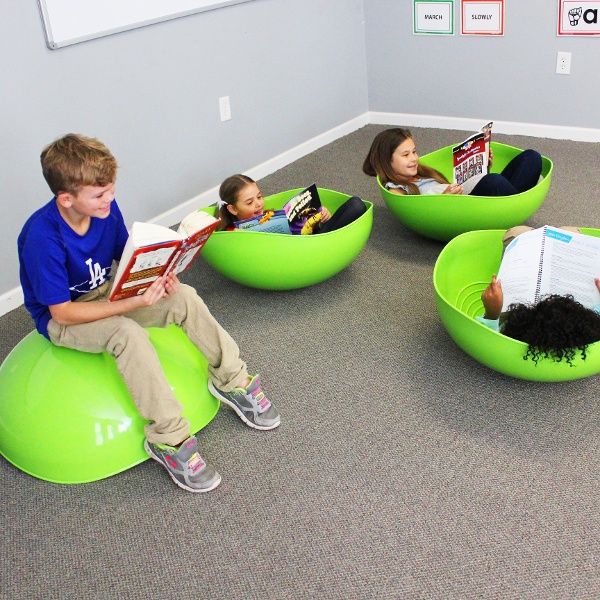
Incorporating movement into flexible seating arrangements is a great way to keep students engaged and active in an alternative schooling environment. Providing opportunities for movement not only improves physical health but also enhances cognitive function, creativity, and overall well-being. Here are ten ways to incorporate movement into flexible seating arrangements:
1. Exercise balls: Replace traditional chairs with exercise balls to encourage core strength and balance while sitting.
2. Standing desks: Offer standing desks as an option for students who prefer to work on their feet or need a change of posture throughout the day.
3. Wobble stools: Introduce wobble stools that allow students to rock back and forth, promoting active sitting without causing distractions.
4. Floor cushions: Create cozy reading corners or group work areas with floor cushions where students can sit, lie down or stretch out comfortably.
5. Yoga mats: Incorporate yoga mats into the classroom setup for mindfulness activities, stretching breaks, or even as an alternative seating option.
6. Active learning stations: Designate specific areas in the classroom for hands-on activities like puzzles, building blocks, or sensory bins that require movement and engagement.
7. Movement breaks: Schedule short movement breaks during lessons where students can stand up, stretch, dance or engage in quick exercises to refresh their minds and bodies.
8. Wiggle seats: Provide wiggle seats – inflatable cushions that allow subtle bouncing – which can help fidgety learners channel their energy more effectively.
9. Treadmill desks: For older students or individual workstations, consider incorporating treadmill desks where they can walk slowly while completing assignments or reading material.
10. Outdoor learning spaces: Take advantage of outdoor spaces by creating designated areas equipped with benches, picnic blankets, tree stumps, and bean bags where lessons can be conducted outside the four walls of the classroom.
By incorporating these movement-oriented elements into flexible seating arrangements within alternative schooling environments, educators can create dynamic classrooms that promote physical activity, engagement, and overall well-being. Students will benefit from increased focus, creativity, and a positive learning experience.
 Alternative Amie
Leave a comment