Unschooling and College Admissions: Navigating the Path Less Taken
Introduction:
Education is a fundamental aspect of human development, shaping individuals into well-rounded members of society. Traditionally, this journey has been guided by formal schooling systems that follow a standardized curriculum. However, in recent years, an alternative approach called unschooling has gained momentum. Unschooling is a philosophy that emphasizes self-directed learning and the pursuit of knowledge outside traditional classroom settings. While unschoolers often face skepticism regarding their educational choices, one question frequently arises: how does unschooling impact college admissions? In this memoir-style post, we will explore my personal experience as an unschooler navigating the path to higher education and shed light on the challenges and triumphs along the way.
Chapter 1: Embracing Unschooling
As a young child, I never quite fit into the mold of traditional schooling. The rigid structure stifled my curiosity and passion for learning. It was during these formative years that my parents discovered unschooling—a philosophy rooted in trust and freedom with regard to education.
Unschooling allowed me to learn at my own pace while pursuing subjects that genuinely interested me. Whether it was delving deep into literature or exploring scientific concepts through hands-on experiments, I had control over what I learned and how I learned it.
Chapter 2: Nurturing Self-Directed Learning
One might assume that without strict schedules or mandated coursework, unschooled students lack discipline and motivation. However, nothing could be further from the truth. Unschoolers develop strong intrinsic motivation as they pursue their passions wholeheartedly.
In my case, this self-directed learning led to remarkable growth both academically and personally. As an avid photographer, I immersed myself in photography books while mastering technical skills through practice. Similarly, when writing became a passion later on—I devoured classic novels and honed my craft by penning countless short stories and articles.
Chapter 3: Challenging the Status Quo
Despite the numerous benefits of unschooling, it was not without its challenges—especially when it came to college admissions. The conventional path, meticulously laid out by society, seemed designed for traditionally schooled students. Navigating this uncharted territory required careful planning and a proactive approach.
Chapter 4: Crafting a Unique Narrative
The key to standing out as an unschooler in college applications lies in presenting one’s educational journey as a coherent narrative. Traditional transcripts might not showcase every aspect of an unschooled student’s learning experience, but they can be complemented by portfolios and personal statements that highlight the depth of knowledge gained through self-directed learning.
In my case, I created an extensive portfolio showcasing my photography skills alongside written reflections on how this passion had shaped my understanding of art and the world around me. Additionally, I crafted a personal statement that emphasized the valuable life skills I developed through unschooling—such as adaptability, self-motivation, and independent thinking.
Chapter 5: Demonstrating Competence Through Standardized Tests
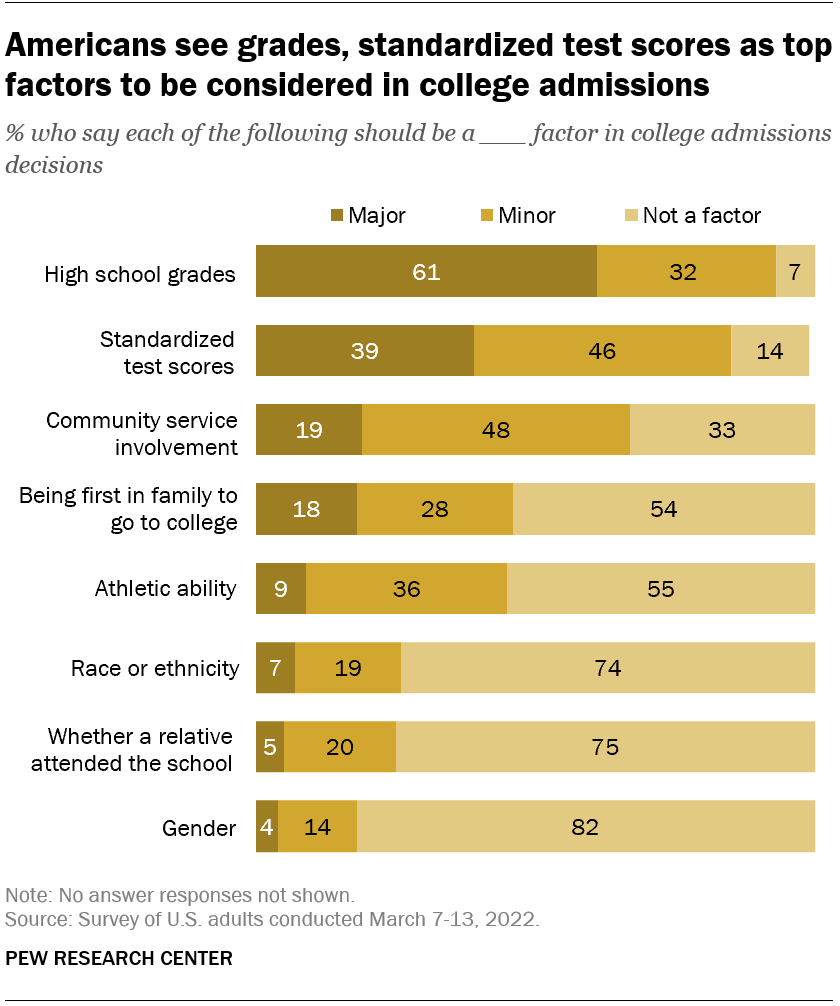
While many universities require standardized test scores during the admissions process, unschoolers often lack traditional academic grades to support their application. However, standardized tests provide an opportunity to demonstrate competence regardless of formal schooling.
Preparing for these tests may involve additional effort on behalf of unschooled students who are less accustomed to structured exam formats. Nonetheless, with dedication and targeted study strategies such as online resources or tutoring programs focused on test preparation—it is possible to achieve competitive scores that bolster an application.
Chapter 6: Seeking Alternative Pathways
For some unschoolers seeking higher education opportunities outside traditional institutions altogether may be more aligned with their educational philosophy. Options such as community colleges or online courses can provide avenues for intellectual growth while avoiding potential clashes with traditional academic systems.
Furthermore, there is also a growing number of universities that value non-traditional forms of learning. These institutions recognize the unique perspectives and skill sets unschooled students bring to the table, often offering alternative admissions processes or specialized programs tailored to self-directed learners.
Conclusion:
Unschooling is a remarkable educational philosophy that empowers individuals to take ownership of their learning journey. While it may present challenges when it comes to college admissions, with careful planning, a strong narrative, and an ability to demonstrate competence through standardized tests, unschoolers can successfully navigate this path less taken. As society continues to embrace diverse approaches to education, it is crucial for colleges and universities to recognize the value unschooled students bring and create inclusive admission policies that open doors for all types of learners.
 Alternative Amie
Leave a comment