Play-Based Learning: Unlocking the Potential of Alternative Education
Introduction:
In the realm of education, play-based learning has emerged as a powerful tool to engage and inspire students. This approach emphasizes children’s natural inclination to explore, experiment, and create through play. By integrating play into their daily routines, educators can tap into students’ innate curiosity while fostering critical thinking skills, social-emotional development, and a lifelong love for learning. In this article, we will delve into the benefits of play-based learning in alternative schooling settings.
Understanding Play-Based Learning:
Play-based learning is an educational philosophy that encourages children to learn through self-directed play experiences. It recognizes that young learners are active participants in constructing their own knowledge and understanding of the world around them. Rather than relying solely on structured lessons or rote memorization, play-based learning promotes hands-on exploration and open-ended problem-solving.
Benefits of Play-Based Learning:
1. Cognitive Development:
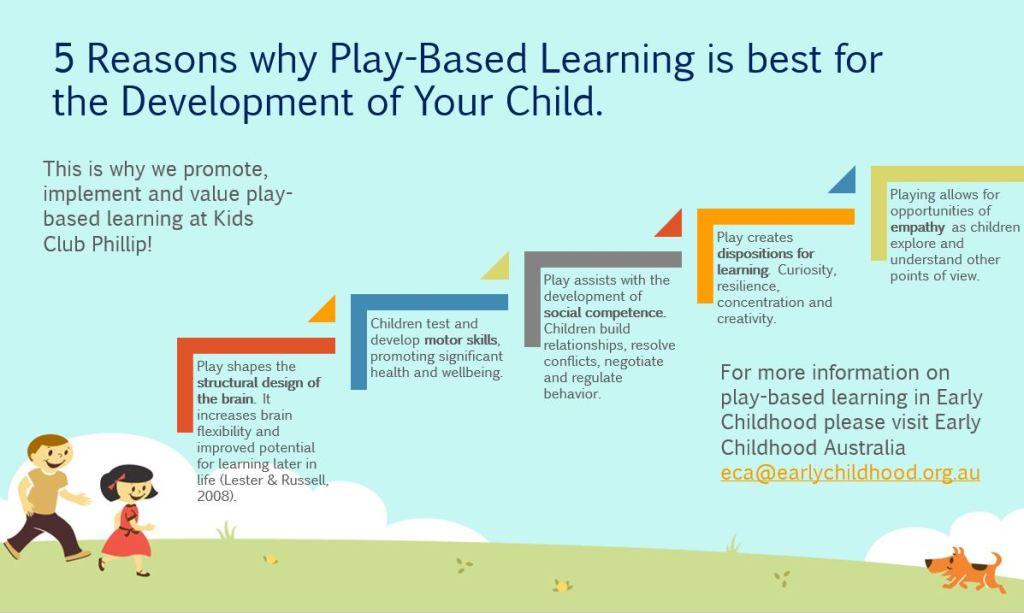
Through play-based activities, children develop essential cognitive skills such as problem-solving, critical thinking, creativity, and imagination. When engaged in imaginative pretend-play scenarios like building forts or playing house, they learn to think flexibly by adapting roles and creating narratives. These activities also help improve memory retention as children internalize information better when it is embedded within meaningful contexts.
2. Social-Emotional Development:
Play provides opportunities for children to interact with peers and develop crucial social-emotional skills like communication, empathy, cooperation, negotiation, self-regulation, and conflict resolution. Collaborative games or group projects strengthen teamwork abilities while also fostering inclusivity by encouraging diverse perspectives.
3. Physical Development:
Physical activity is an integral part of play-based learning as it enhances gross motor skills (running or climbing) and fine motor skills (manipulating small objects). Outdoor playgrounds promote physical fitness while indoor spaces equipped with sensory materials—such as sand tables or art stations—stimulate fine motor skill development through tactile exploration.
4. Language and Literacy:
Play-based learning naturally supports language development, vocabulary expansion, and literacy skills. When children engage in pretend play or storytelling, they practice using new words and construct narratives with a beginning, middle, and end. Play also encourages the use of oral language as children negotiate roles or discuss their creations.
5. Engagement and Motivation:
One of the most significant advantages of play-based learning is that it fosters intrinsic motivation in students. When children are actively engaged in activities they enjoy, they become deeply invested in their own learning process. This can lead to increased motivation for further exploration and discovery.
Implementing Play-Based Learning:
1. Creating an Enriched Environment:
To foster play-based learning effectively, alternative schools must provide a stimulating environment that encourages hands-on exploration and creativity. Classrooms should be equipped with open-ended materials such as blocks, art supplies, books, puzzles, science kits, musical instruments—anything that invites curiosity and experimentation.
2. Flexible Curriculum:
A flexible curriculum allows educators to adapt lessons based on students’ interests while still aligning with educational goals. Teachers can observe students during play sessions to identify areas where more focused instruction may be needed or incorporate specific concepts into playful activities.
3. Teacher’s Role as Facilitator:
In a play-based learning environment, teachers take on the role of facilitators rather than traditional lecturers or directors of instruction. They observe students’ interactions during playtime carefully and intervene only when necessary to encourage deeper thinking or resolve conflicts constructively.
4. Integration Across Subjects:
Play-based learning offers ample opportunities for cross-curricular integration by incorporating various subjects into different activities or projects seamlessly. For example, building structures with blocks combines math concepts like shapes and spatial relationships while encouraging imaginative storytelling develops literacy skills.
Challenges Faced:
While play-based learning has numerous benefits within alternative schooling settings, there are some challenges to consider:
1️⃣ Time Constraints: Incorporating play-based learning may require a shift in traditional classroom schedules, as it often necessitates more open-ended time for exploration and reflection.
2️⃣ Assessment Methods: Traditional assessment methods like standardized tests may not accurately reflect the progress made through play-based learning. Alternative approaches such as portfolios or observations can better capture students’ growth and development.
Conclusion:
Play-based learning holds immense potential to transform alternative education systems by putting children at the center of their own learning experiences. By embracing this approach, educators can nurture well-rounded individuals who possess essential cognitive, social-emotional, and physical skills necessary for success in today’s world. As we continue to explore innovative educational practices, play-based learning offers an exciting path towards meaningful and engaging education for all learners.
 Alternative Amie
Leave a comment