Unschooling as a form of child-led learning:
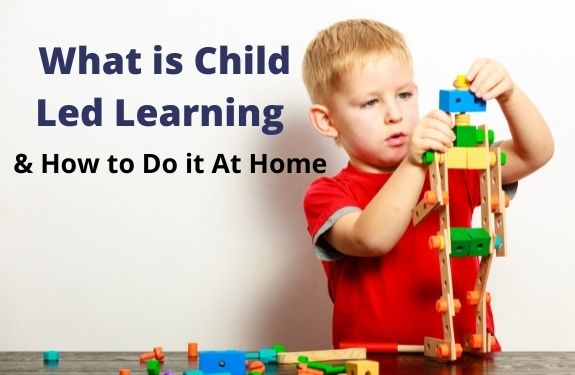
Unschooling is an educational approach that emphasizes child-led learning and self-directed education. It is based on the belief that children are naturally curious and have an innate desire to learn. Unschooling allows children to pursue their interests, passions, and curiosities at their own pace, without formal curriculum or traditional classroom settings.
One of the key principles of unschooling is trust in a child’s ability to learn through real-life experiences. Instead of following a predetermined set of subjects or standards, unschoolers encourage exploration, discovery, and hands-on learning. This can involve activities such as visiting museums, engaging in community service projects, playing sports, pursuing hobbies, or traveling.
Unlike traditional schooling where knowledge is compartmentalized into separate subjects, unschooling promotes interdisciplinary learning. For example, if a child develops an interest in dinosaurs after reading a book about them at the library, they may choose to delve deeper into paleontology by conducting research online or visiting a natural history museum. In this way, unschoolers have the freedom to explore various topics deeply and make connections between different areas of knowledge.
Montessori approach in alternative schooling:
The Montessori approach is another alternative education method that fosters child-led learning. Developed by Dr. Maria Montessori in the early 20th century, this educational philosophy focuses on creating prepared environments where children can engage in independent exploration and self-paced learning.
In Montessori classrooms, materials are carefully designed to be self-corrective and allow for hands-on manipulation. Children are given the freedom to choose activities that align with their interests while also developing important skills such as concentration, problem-solving abilities, fine motor skills development (through practical life exercises), and social interaction with peers.
The Montessori curriculum encompasses multiple areas including practical life activities (such as pouring water or practicing buttoning), sensorial materials (that stimulate the senses), language development, mathematics, cultural studies (including geography and history), and science. The materials are designed to be engaging and inviting, fostering a love for learning in children.
Waldorf education and child-led learning:
Waldorf education is an alternative educational philosophy that places a strong emphasis on holistic development, creativity, and imagination. Developed by Rudolf Steiner in the early 20th century, Waldorf schools provide an environment that encourages child-led learning through play-based activities.
In Waldorf classrooms, there is a focus on integrating arts into all aspects of the curriculum. Children engage in activities such as painting, drawing, music-making, storytelling, handwork (like knitting or sewing), woodworking, and gardening. These artistic expressions not only cultivate creativity but also enhance cognitive abilities and emotional well-being.
The Waldorf curriculum follows a three-part rhythm: academic instruction in the morning with subject-specific main lessons (such as math or language arts), artistic activities during mid-morning periods to foster creativity and expression (such as painting or playing musical instruments), followed by hands-on practical work in the afternoon (such as gardening or woodworking). This rhythm allows for balance between intellectual growth and creative exploration.
Reggio Emilia philosophy and child-led learning:
The Reggio Emilia approach originated in Italy after World War II. It emphasizes child-led learning through project-based investigations where children explore topics of interest to them individually or collaboratively with their peers.
Central to this approach is the belief that children have multiple languages through which they can express themselves – including art, music dance/movement – alongside traditional verbal communication skills. In Reggio Emilia schools, educators act as facilitators who observe children’s interests closely and provide opportunities for further exploration.
Projects often emerge from questions posed by students themselves or inspired by their surroundings within their community or natural environment. For example one project might involve investigating local wildlife habitats while another might revolve around designing and building a community garden.
The role of the teacher is to document children’s progress and experiences through photographs, videos, and written observations. This documentation becomes an integral part of the learning process and helps parents and educators understand children’s thinking processes.
Democratic schools and child autonomy:
Democratic schools are educational institutions where students have equal say in decision-making processes regarding their education. These schools operate on democratic principles such as freedom, responsibility, respect for individuality, and self-governance.
In a democratic school setting, students have opportunities to voice their opinions on matters like curriculum choices or school rules through regular meetings or assemblies. They also participate in decision-making processes that affect the entire school community.
This focus on student autonomy promotes critical thinking skills, problem-solving abilities, collaboration with peers, conflict resolution skills, and active citizenship. Students learn to take ownership of their education by choosing what they want to learn while still meeting essential academic requirements.
Project-based learning in alternative education:
Project-based learning (PBL) is an instructional approach that allows students to investigate real-world problems or questions over an extended period. PBL encourages active engagement with content knowledge while promoting critical thinking skills, creativity, collaboration amongst peers as well as communication proficiency.
During a project-based learning experience within alternative education settings students identify driving questions which spark curiosity about a particular topic or issue they wish to explore further. They then engage in research gathering information from various sources such as books articles experts interviews or field trips depending upon availability resources budget etcetera After collecting relevant data they analyze synthesize draw conclusions make connections between different subject areas apply newfound knowledge solve problems create products demonstrate understanding present findings orally visually digitally etcetera Finally they reflect upon evaluate their work overall process highlight achievements areas improvement future growth
Self-directed learning in homeschooling:
Homeschooling provides a unique opportunity for self-directed learning where parents can tailor educational experiences according to their child’s needs interests strengths and weaknesses. In a homeschooling environment, children have the freedom to explore topics of interest at their own pace without the constraints of a traditional classroom setting.
Parents can create individualized curricula that align with their child’s learning style and preferences. This flexibility allows for personalized instruction, allowing children to delve deeper into subjects they are passionate about or spend more time on challenging areas.
Self-directed learning in homeschooling also encourages independent thinking, decision-making skills, time management abilities, and self-discipline. Children learn to take responsibility for their education by setting goals, planning their daily schedule, and seeking resources independently.
Nature-based education and child-led exploration:
Nature-based education is an approach that connects children with the natural environment as a platform for learning. It emphasizes hands-on experiences in outdoor settings where children can engage in child-led exploration while developing an appreciation for nature.
In nature-based educational programs, children have opportunities to observe plants, animals habitats seasons weather patterns etcetera They learn through direct experiences such as gardening hiking camping or participating in environmental stewardship projects like tree planting beach cleanups recycling initiatives etcetera These experiences foster curiosity wonder discovery critical thinking creativity problem-solving skills physical activity social interaction well-being
Play-based learning in alternative schooling:
Play-based learning is an essential component of many alternative schooling approaches as it recognizes the importance of play in a child’s development. Play provides opportunities for imagination creativity problem-solving language development social-emotional growth physical activity cognitive stimulation
In play-based environments educators provide open-ended materials props toys loose parts (such as blocks sand water art supplies) encourage unstructured free-play activities Within this context students can initiate self-direct their play explore ideas test theories collaborate peers develop communication negotiation cooperation skills
Artistic expression and child-led creativity:
Artistic expression plays a crucial role within alternative educational settings promoting emotional intellectual personal growth Children encouraged express themselves various forms including visual arts music drama dance writing poetry storytelling photography film-making digital media
By engaging artistic practices students develop their creativity imagination critical thinking abilities problem-solving skills self-expression confidence communication collaboration empathy understanding diverse perspectives
Technology integration in child-led education:
Technology integration within child-led educational settings can enhance learning experiences by providing access to information resources tools collaboration possibilities Technology allows students explore topics interest conduct research communicate peers experts create multimedia presentations share findings connect global communities
Educators should carefully curate digital content ensure appropriateness quality relevance integrate technology meaningful ways rather than as passive consumption tool encourage active engagement creation critical evaluation media literacy development
Emotional intelligence development through child-led learning:
Child-led learning environments provide opportunities for emotional intelligence development Children learn recognize regulate emotions understand perspective take others empathize practice active listening resolve conflicts effectively build positive relationships Emotional intelligence skills essential life success contribute overall well-being happiness individuals
Mindfulness practices for children in alternative education settings:
Mindfulness practices such as breathing exercises meditation techniques journaling gratitude activities help children develop focus attention regulation stress management strategies emotional resilience empathy compassion self-awareness Mindfulness supports children’s mental health well-being promotes positive behavior academic success encourages sense calm presence daily life activities interactions.
Socialization opportunities within child-led environments:
Contrary popular myth alternative educational settings including homeschooling unschooling democratic schools Montessori Waldorf etcetera offer ample socialization opportunities Children often engaged collaborative projects group work community service extracurricular activities sports clubs hobbies classes field trips playdates informal gatherings meet interact diverse range peers different ages backgrounds interests Socialization integral part students’ holistic growth fosters interpersonal communication teamwork leadership skills cultural awareness empathy
Incorporating physical activity into child-led learning:
Physical activity an essential component child-led approaches Alternative educational programs prioritize incorporating movement exercise routine stimulate brain function enhance cognitive abilities promote overall health wellness Physical activities might include outdoor play recess games yoga dance martial arts sports nature walks hikes gardening hands-on experiments kinesthetic learning opportunities Movement breaks between lessons energize refocus attention improve concentration retention memory facilitate better learning outcomes
Cultivating critical thinking skills through self-guided inquiry:
Critical thinking skill cultivated child-led environments encourage students ask questions explore multiple perspectives analyze evaluate information sources develop logical reasoning abilities problem-solving capacities Students actively involved inquiry-based projects research investigations collaborative discussions debates reflective exercises challenging tasks puzzles games foster critical thinking mindset
Nurturing empathy and compassion through child-led experiences:
Child-led experiences alternative education settings provide opportunities nurture empathy compassion Children engage real-world issues community service projects cultural exchange activities peer collaboration These experiences help children develop understanding diverse perspectives practice active listening respect others’ feelings needs foster sense social responsibility kindness generosity towards fellow human beings
Fostering independence and self-reliance in alternative schooling:
Alternative schooling approaches aim cultivate independence self-reliance children prioritize choice autonomy decision-making processes Students encouraged take ownership learning set goals manage time resources seek support when needed become confident responsible learners prepare future challenges adulthood fostering independence self-reliance lifelong skills empower individuals succeed navigate complex world
Balancing structure and freedom within a child-led curriculum:
Child-led educational approaches balance structure freedom provide necessary framework guidance while allowing flexibility exploration creativity development Individualized curricula schedules incorporate core subjects essential knowledge skills scaffolding build upon facilitating independent learning choices Projects assignments designed align student interests strengths ensuring holistic growth mastery key competencies balance structure freedom helps optimize benefits child-led approach
Integrating multicultural perspectives into child-led education:
Multiculturalism integral part alternative education Multicultural perspectives integrated curricula materials activities expose students diverse cultures languages histories traditions beliefs values broaden horizons promote understanding tolerance appreciation differences Encouraging exploration global issues intercultural dialogue fosters cross-cultural competence prepares students culturally competent citizens interconnected world.
Assessing progress and growth in non-traditional educational settings:
Assessment strategies non-traditional educational settings focus overall growth individual progress rather than narrow standardized testing Alternative schooling approaches employ variety methods including portfolios journals presentations exhibitions project evaluations teacher observations interviews peer feedback self-reflection assessments performance-based assessments These strategies provide holistic picture student’s development skills knowledge understanding
Supporting special needs students through a child-led approach:
Child-led approaches inclusive nature provide supportive environments children special needs Individualized education plans created accommodate specific learning challenges modifications accommodations made necessary Alternative educational programs prioritize differentiation individualization addressing diverse range abilities strengths weaknesses Specialized instruction therapies incorporated seamlessly child-led curricula activities support unique requirements enhance overall learning experiences promote success all students
Parental involvement and collaboration in alternative schooling:
Alternative schooling values strong partnership between parents educators Parents actively involved child’s learning process contribute curriculum design implementation resource provision field trip organization co-learning opportunities Parent-teacher conferences regular meetings help maintain open communication share insights discuss progress address concerns Collaborative relationship enhances quality education reinforces positive home-school connections supports overall growth well-being children.
Creating inclusive environments for diverse learners within child-led programs:
Inclusive environments vital component alternative educational settings Child-led programs strive create welcoming safe spaces celebrate diversity equity respect foster sense belonging Children different backgrounds cultures races ethnicities abilities orientations provided equal opportunities thrive learn access resources receive support tailored individual needs Inclusivity promoted addressing biases providing multicultural perspectives embracing neurodiversity implementing universal design principles creating physically accessible facilities
Addressing challenges and obstacles in implementing child-led learning approaches:
Implementing child-led learning approaches comes with inherent challenges obstacles Flexibility adaptability key factors Success requires overcoming resistance traditional mindsets grappling logistical issues ensuring legal compliance accessing adequate resources managing time effectively establishing clear guidelines expectations balancing structure freedom nurturing student motivation engagement offering ongoing professional development support educators families Continuous evaluation reflection essential refine improve practice overcome barriers maximize benefits alternative schooling methods.
Creating safe spaces for risk-taking and experimentation within alternative education settings:
Safe spaces risk-taking experimentation critical fostering creativity innovation Alternative education settings encourage trial error problem-solving exploration mistakes viewed valuable learning opportunities Students supported environment free judgment fear failure Teachers mentors provide guidance encouragement constructive feedback facilitate growth mindset instill confidence independence resilience Safe spaces allow individuals take risks step comfort zones pursue passions discover unique talents abilities
In conclusion, alternative education approaches that embrace child-led learning have gained popularity due to their emphasis on individualized instruction, fostering creativity, promoting critical thinking skills, and supporting holistic development. Unschooling, Montessori, Waldorf education, Reggio Emilia philosophy, democratic schools, project-based learning, self-directed learning in homeschooling all provide opportunities for children to explore their interests and become active agents in their own education. These approaches also prioritize the development of emotional intelligence, mindfulness practices for children’s well-being and socialization opportunities within non-traditional educational settings. By facilitating physical activity engagement and integrating technology thoughtfully educators can further enhance child-led learning experiences. The implementation of child-led approaches requires a balance between structure and freedom while addressing challenges such as assessment methods or supporting special needs students. Inclusive environments respectful collaboration with parents address diverse learners’ needs ensure the success of child-led programs within alternative schooling contexts.
 Alternative Amie
Leave a comment