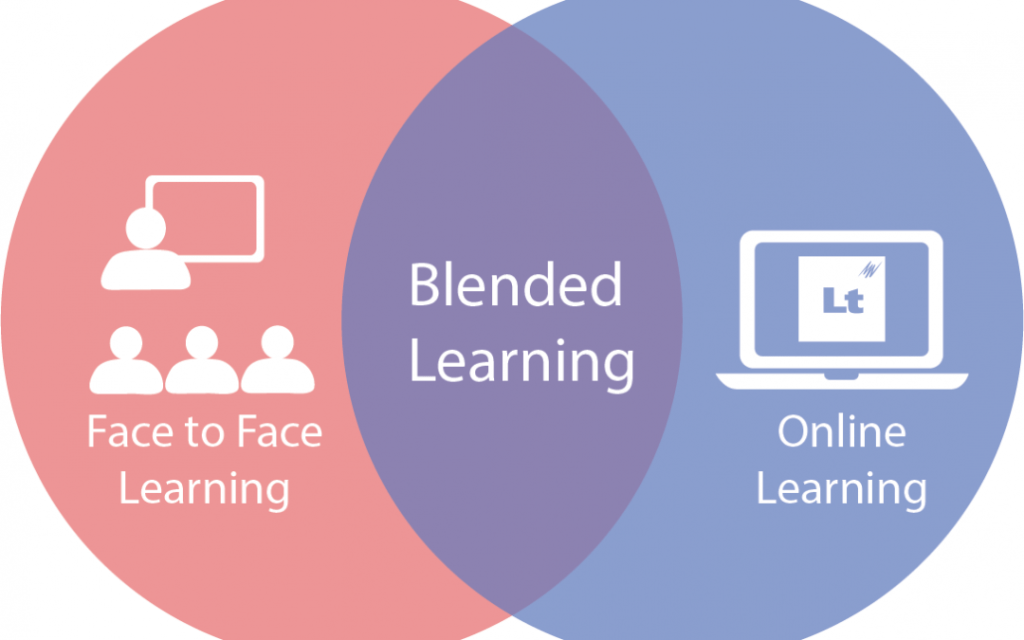
Blended learning has emerged as a popular and effective educational model that combines traditional classroom instruction with online resources and tools. This hybrid approach offers students a unique opportunity to personalize their learning experience, while also benefiting from face-to-face interaction with teachers and peers. In this article, we will explore the different types of blended learning models and discuss their advantages for both students and educators.
1. Rotation Model:
The rotation model is one of the most common forms of blended learning. In this model, students rotate between various stations or activities throughout the day, including both online tasks and offline activities led by the teacher. These rotations can be based on subject areas or specific skills that need to be addressed. For example, in a math class, students may spend some time working on an online math program or watching instructional videos, while others engage in small group discussions or hands-on projects related to the topic.
2. Flex Model:
In the flex model, students have greater control over their schedules and pace of learning. They have regular face-to-face sessions with teachers but spend most of their time working independently on online coursework at their own speed. The flexibility allows students to focus more on subjects they find challenging while moving quickly through material they grasp easily. Teachers act as facilitators, providing guidance when needed rather than delivering direct instruction throughout each class session.
3. A La Carte Model:
The a la carte model involves combining traditional brick-and-mortar schools with individual online courses for specific subjects that are not offered within the school’s curriculum due to limited resources or low student demand. For instance, a high school might offer core classes like English and math traditionally but allow students to take advanced placement (AP) courses virtually through an online platform.
4. Enriched Virtual Model:
In this blended learning model, most instruction occurs online through virtual platforms while still maintaining regular face-to-face interactions between teachers and students for selected activities such as labs, projects, or group discussions. This model offers students flexibility in terms of time and location while ensuring that they have access to vital hands-on learning experiences.
Advantages of Blended Learning Models:
1. Personalized Learning:
Blended learning allows for greater personalization of education. Online resources and platforms can adapt to each student’s individual needs, providing targeted instruction and customized learning paths. Students can work at their own pace, review concepts as needed, or explore advanced topics beyond the standard curriculum.
2. Flexibility:
Blended learning provides flexibility in terms of time and location. Students can access online materials and complete assignments outside traditional school hours, accommodating different schedules or allowing them to balance other commitments like part-time jobs or extracurricular activities.
3. Enhanced Engagement:
The integration of technology into the classroom engages students who are typically more comfortable with digital tools and devices. Interactive online content, gamified elements, multimedia resources, and collaborative platforms promote active participation and increase motivation among learners.
4. Data-Driven Instruction:
Online platforms used in blended learning models often generate data on student performance, progress, strengths, weaknesses, and areas for improvement. Teachers can utilize this data to personalize instruction further by identifying gaps in understanding or designing interventions tailored to individual needs.
5. Access to a Wide Range of Resources:
Blended learning opens up opportunities for students to access a vast array of educational resources beyond their textbooks or local library collections. They can explore videos from experts worldwide, engage with interactive simulations for complex concepts or collaborate with peers from diverse backgrounds using virtual communication tools.
6. Preparation for Future Careers:
In an increasingly digital world where remote work is becoming more prevalent across industries, blended learning equips students with essential skills such as self-discipline/time management abilities as well as proficiency in utilizing technological tools effectively – all crucial for success in higher education institutions as well as future careers.
Conclusion:
Blended learning models offer numerous advantages that cater to the diverse needs and learning styles of students. By combining online resources with face-to-face interactions, educators can create a dynamic and personalized learning environment that fosters engagement, flexibility, and deeper understanding. As technology continues to advance, blended learning is likely to become an even more integral part of modern education, preparing students for success in the 21st century.
 Alternative Amie
Leave a comment