Steiner Schools Worldwide: An Alternative Approach to Education
Education plays a crucial role in shaping the minds and futures of our children. It is not only about acquiring knowledge but also nurturing well-rounded individuals who are equipped with critical thinking skills, creativity, and a deep sense of empathy. While traditional education systems have been the norm for many years, alternative approaches have gained popularity among parents seeking a more holistic approach to their child’s learning journey.
One such alternative educational philosophy is based on the teachings of Rudolf Steiner, an Austrian philosopher and educator. Steiner schools, also known as Waldorf schools in some countries, offer a unique educational experience that focuses on nurturing the whole child – intellectually, emotionally, physically, and spiritually.
Originating in the early 20th century, Steiner schools place equal importance on academic subjects as well as artistic and practical activities. They aim to foster students’ individuality by encouraging self-expression through various forms of art such as painting, music, drama, and movement. The curriculum is designed to support each stage of child development rather than focusing solely on intellectual growth.
Today there are over 1,100 Steiner schools worldwide across 60 countries making it one of the largest independent school movements globally. Let’s take a closer look at what makes Steiner education stand out:
Philosophy and Principles
At the core of Steiner education lies an understanding that each child is unique with their own set of talents and abilities. This philosophy emphasizes providing an environment that nurtures these inherent qualities while fostering creativity and imagination.
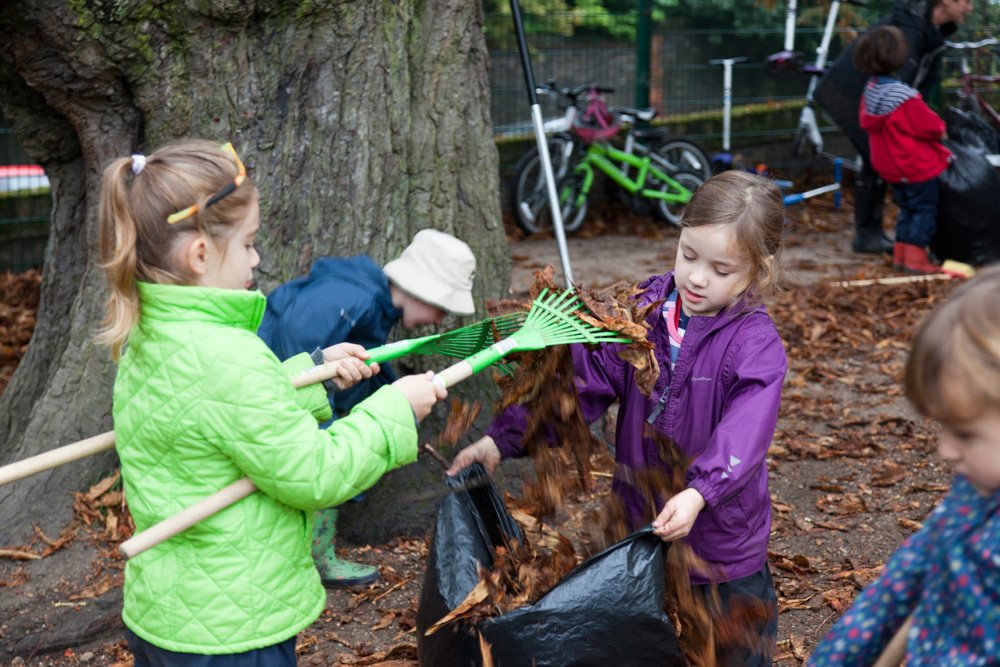
Steiner educators believe that children learn best when they actively engage with their environment through hands-on experiences rather than passive instruction alone. Thus, classrooms encourage experiential learning where students work collaboratively on projects related to science or arts while developing problem-solving skills along the way.
Another essential aspect of Steiner education is rhythm and routine within daily life at school. A predictable structure allows children to feel secure and provides a solid foundation for their learning journey. The day typically includes academic lessons, artistic activities, outdoor play, and time for reflection.
Developmental Stages
Steiner education recognizes three distinct developmental stages in a child’s life: early childhood (0-7 years), elementary school (7-14 years), and high school (14-18 years). Each stage corresponds to different educational approaches tailored to the specific needs of the age group.
In early childhood, educators focus on providing a nurturing environment that promotes imaginative play, social interaction, and practical skills. Children engage in activities such as storytelling, puppetry, cooking, gardening, and crafts. Academic subjects are introduced gradually to ensure a smooth transition into formal learning later on.
During elementary school years, an interdisciplinary approach is adopted where subjects are taught through thematic blocks. For example, history may be explored through stories and mythology while mathematics integrates with practical applications like measurement or architectural design. This holistic approach encourages students to make connections between various disciplines rather than viewing them as separate entities.
High school brings more specialization within subject areas while still maintaining an emphasis on artistry and experiential learning. Students continue their academic studies alongside vocational training options based on their interests and aptitudes.
Role of Teachers
Teachers in Steiner schools hold a unique position as they accompany students throughout multiple years of schooling. This continuity allows educators to develop deep relationships with individual students and gain a comprehensive understanding of their strengths and weaknesses.
Additionally, Steiner teachers undergo specialized training known as Waldorf teacher training before entering the classroom. This training equips them with the necessary tools to create nurturing environments that support each student’s growth holistically – intellectually, emotionally, socially,…
The role of technology is another aspect that differs between traditional education systems and Steiner schools. While many schools today heavily rely on technology for instruction purposes even at very young ages; Steiner schools take a different approach by limiting the use of technology, particularly in early childhood education. The focus is on engaging students in real-life experiences and fostering a connection with nature.
Critics argue that Steiner schools’ emphasis on artistry and experiential learning might not adequately prepare students for the demands of today’s fast-paced technological world. However, proponents argue that by nurturing creativity, critical thinking skills, and emotional intelligence, Steiner education equips students with a strong foundation to adapt to future challenges.
Final Thoughts
Steiner schools provide an alternative educational approach rooted in holistic development and individualized learning. By emphasizing creativity, imagination, and experiential learning, these schools offer an environment where children are encouraged to explore their interests while developing academically.
While this overview provides insight into the philosophy and principles of Steiner education worldwide, it is important to note that each school may differ slightly based on regional context and cultural influences. If you are considering this alternative approach for your child’s education journey, it is recommended to research local Steiner schools or Waldorf institutions near you.
Remember that no single educational system fits all children perfectly – what works for one child may not work for another. Ultimately, as parents or caregivers seeking the best possible education for our children’s needs, we must keep an open mind and explore various options available within our communities.
 Alternative Amie
Leave a comment