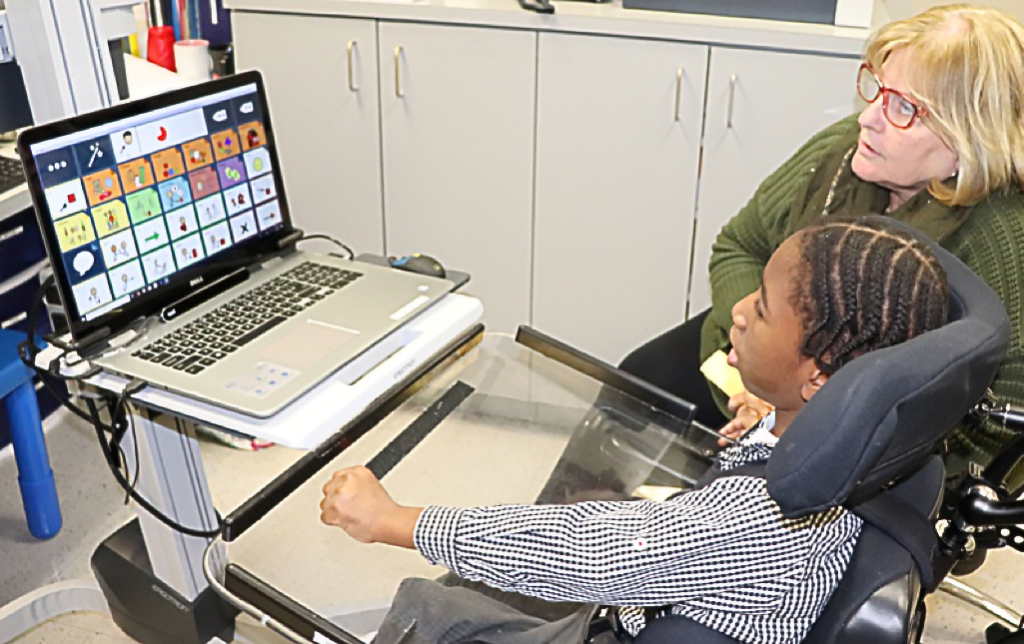
Adaptive technology has revolutionized the way we approach education, particularly for students with special needs. This innovative tool encompasses a range of devices, software, and strategies that are designed to adapt to an individual’s learning style and abilities, ensuring a personalized and inclusive learning experience.
One of the key benefits of adaptive technology is its ability to cater to various disabilities and challenges. For example, students with visual impairments can utilize screen-reading software or braille displays, while those with hearing difficulties can rely on closed-captioning or sign language interpretation. Additionally, adaptive technology provides alternative input methods such as voice recognition software or switch access for individuals with motor impairments.
Moreover, adaptive technology supports different learning styles by providing customizable interfaces and content. Students who benefit from visual aids can use interactive graphics or videos, while auditory learners can engage with audio materials. Furthermore, adaptive software often incorporates assessment tools that track progress and provide immediate feedback to help students identify areas where they need additional support.
Another advantage of adaptive technology is its flexibility in accommodating individual pacing. Students can work at their own speed without feeling rushed or held back by the pace of a traditional classroom setting. Adaptive platforms allow for self-paced learning experiences tailored to each student’s needs.
Furthermore, this type of technology promotes independence among students as it empowers them to take control over their own education journey. With personalized settings and options available at their fingertips, learners gain confidence in managing their learning process while developing important skills like problem-solving and critical thinking.
While there are numerous benefits associated with adaptive technology in education settings, it is essential not to overlook potential challenges or limitations that may arise during implementation. Adequate training for both educators and students is crucial in order to maximize the effectiveness of these tools. Additionally, schools must ensure accessibility and compatibility across various devices so that every student has equal opportunity to benefit from these technological advancements.
In conclusion, adaptive technology plays a vital role in alternative schooling approaches, offering individualized support and inclusivity for students with diverse learning needs. By leveraging its benefits, educators can create an environment where every student has the opportunity to thrive and reach their full potential.
 Alternative Amie
Leave a comment