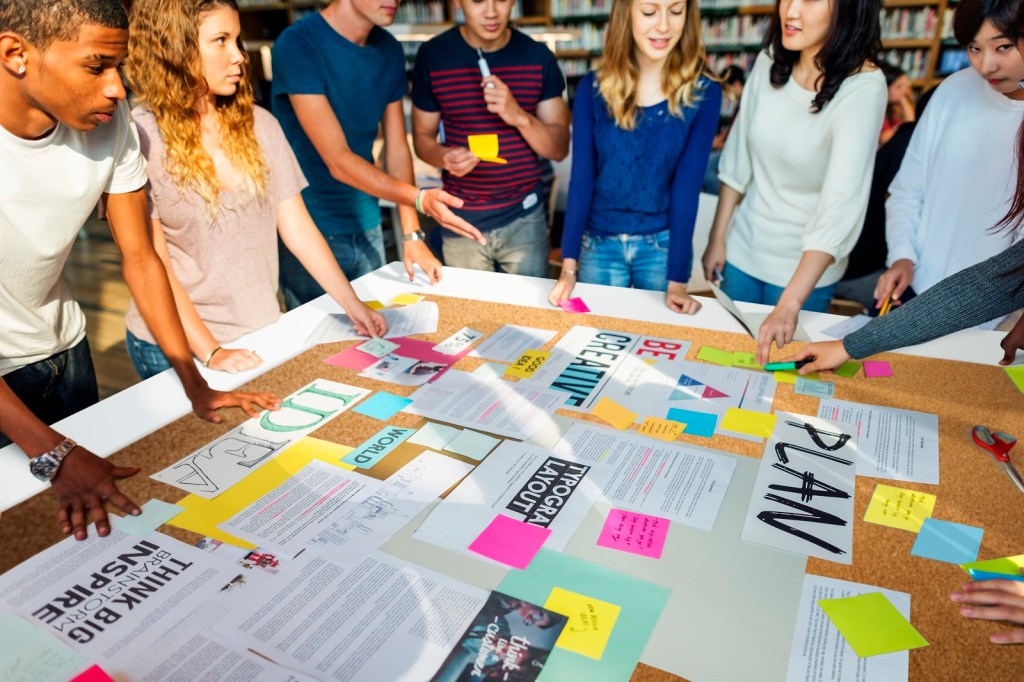
Project-Based Learning: A Transformative Approach to Education
In recent years, there has been a growing recognition among educators that traditional classroom settings may not fully prepare students for the challenges of the modern world. As a result, alternative approaches to education have gained popularity, one of which is project-based learning (PBL). PBL is an immersive and hands-on approach that allows students to actively engage in real-world problem-solving through projects. In this article, we will explore the benefits and key components of project-based learning and why it has become a transformative force in education.
At its core, project-based learning centers around students working on meaningful projects that address real-life issues or questions. These projects are typically interdisciplinary in nature and require collaboration, critical thinking skills, creativity, and effective communication. Unlike traditional teaching methods where knowledge is primarily transmitted from teacher to student through lectures or textbooks, PBL places students at the center of their own learning experiences.
One significant advantage of project-based learning is its ability to foster deep understanding and retention of knowledge. When students are actively involved in developing solutions for real-world problems or creating tangible products related to their interests or passions, they develop a sense of ownership over their work. This intrinsic motivation leads them to be more invested in the subject matter and more likely to retain what they have learned long after the project ends.
Moreover, engaging in hands-on projects helps bridge the gap between theory and practice by providing students with opportunities to apply theoretical concepts in practical ways. For example, rather than simply memorizing facts about climate change, PBL could involve designing sustainable solutions for reducing carbon emissions within local communities. By immersing themselves in such projects, students gain a deeper understanding of complex issues while also honing important problem-solving skills.
Another benefit lies in fostering collaboration among students as they work together towards common goals. In today’s interconnected world where teamwork is crucial across various industries and sectors, PBL equips students with invaluable skills for the future. By collaborating on projects, students learn how to effectively communicate their ideas, compromise, and leverage each other’s strengths. These interpersonal skills are essential not only in academic settings but also in their future careers.
Furthermore, project-based learning encourages creativity and innovation. Within the framework of a project, students are given the freedom to explore diverse approaches and solutions. This freedom allows them to think critically, take risks, and experiment with different strategies. Consequently, PBL nurtures an environment where failure is seen as an opportunity for growth rather than a setback. Students learn that setbacks or mistakes can be valuable learning experiences that contribute to personal growth and development.
To implement project-based learning successfully, certain key components must be present in the classroom environment. First and foremost is authentic relevance – projects should connect directly to real-world issues or questions that resonate with students’ lives or interests. When projects have genuine significance beyond just getting good grades or completing assignments, students are more likely to engage fully.
Secondly, reflection plays a crucial role in PBL as it helps students make connections between what they have learned during the project and its broader implications within society. Reflection can occur through journaling, group discussions, presentations or any form of self-assessment that prompts critical thinking about the process and outcomes of their work.
Additionally, continuous feedback from both peers and teachers is vital throughout the duration of a project. Regular check-ins help keep students on track while providing opportunities for constructive criticism and improvement. Feedback enables them to refine their ideas and strategies based on multiple perspectives before finalizing their work.
Lastly but equally important is allowing sufficient time for projects to unfold organically without rushing through deadlines arbitrarily set by traditional school calendars. Time constraints often hinder creativity and inhibit deeper exploration of topics; therefore flexibility around timelines promotes student autonomy while ensuring quality outcomes.
In conclusion, project-based learning represents a powerful educational approach that engages students actively in meaningful projects. By immersing themselves in real-world problems, students develop a deep understanding of the subject matter, acquire critical thinking skills, foster collaboration and unleash their creativity. With its emphasis on relevance, reflection, feedback, and flexibility, PBL prepares students for the challenges they will face beyond the classroom walls. As we continue to reimagine education for the 21st century, project-based learning stands as a transformative force that empowers learners to become lifelong problem solvers and active contributors to society.
 Alternative Amie
Leave a comment