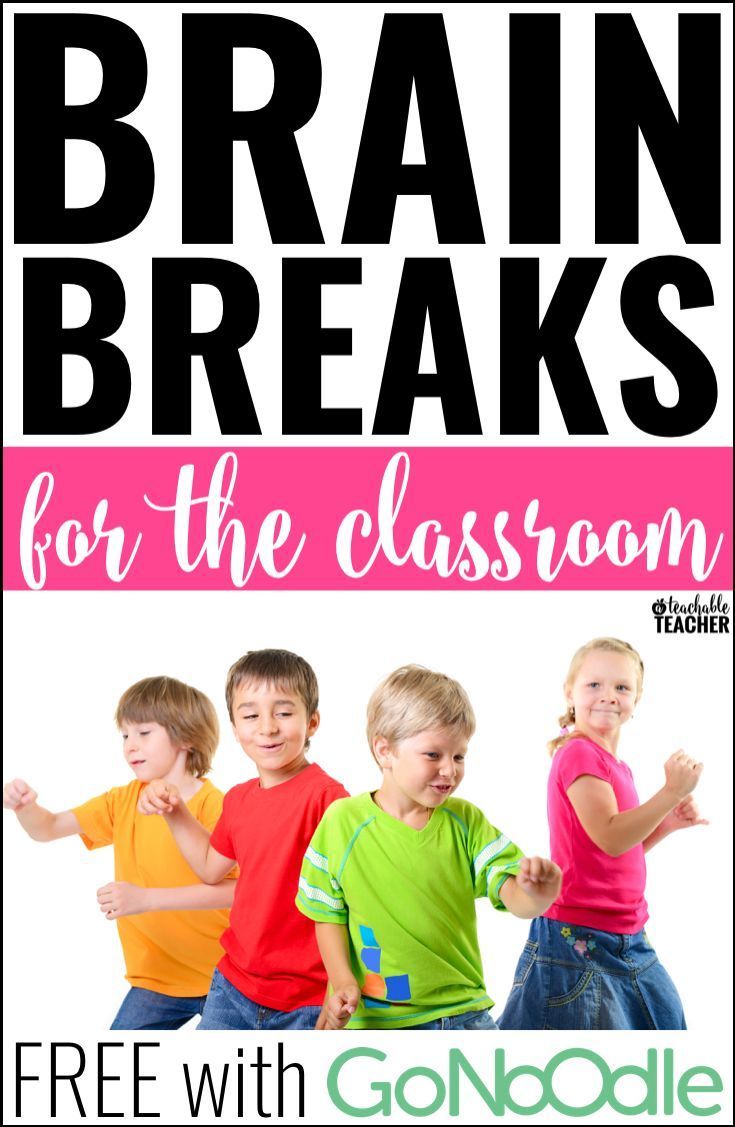
Brain breaks and movement in the classroom have gained significant attention in recent years as educators recognize the importance of physical activity for improving learning outcomes. These short, active breaks allow students to release pent-up energy, refocus their attention, and enhance cognitive functioning.
Research has shown that incorporating movement into lessons can boost memory retention and engagement. By getting students up and moving, teachers can increase oxygen flow to the brain, leading to improved concentration levels. Additionally, physical activity triggers the release of endorphins, which can positively affect mood and reduce stress.
There are numerous ways to incorporate brain breaks into the classroom routine. Simple activities like stretching exercises, jumping jacks or dancing sessions can be effective energizers between lessons. Teachers can also integrate movement directly into academic content by encouraging students to act out a story or solve math problems through physical gestures.
Beyond these immediate benefits, brain breaks promote overall health by combating sedentary behavior among children. Regular physical activity has been linked to better mental health, increased self-esteem, and reduced risk of chronic diseases later in life.
In conclusion, integrating brain breaks and movement into classroom settings offers multiple advantages for both learning outcomes and student well-being. By allowing students brief moments of physical activity throughout the day, educators create an environment that promotes focus, engagement, and overall academic success while fostering healthy habits for life.
 Alternative Amie
Leave a comment