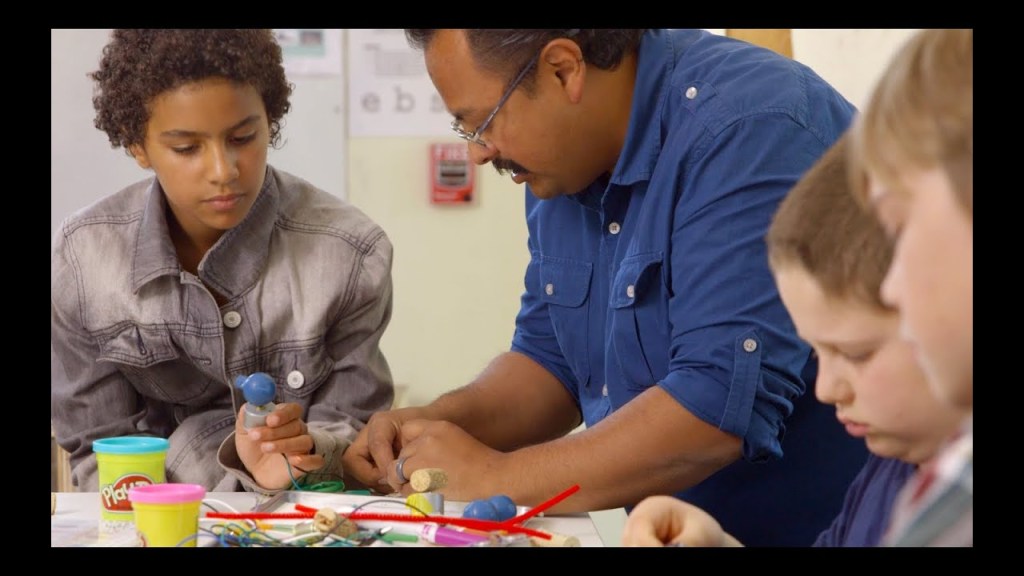
Maker education has gained popularity in recent years for its ability to engage students in hands-on learning experiences. Through the process of creating, designing, and problem-solving, students develop valuable skills that can be applied in various areas of their lives. In this article, we will explore 25 different aspects of maker education that highlight its benefits and potential applications.
1. Sustainable practices in maker education: Incorporating sustainable materials and processes into maker projects can teach students about environmental responsibility and encourage them to think critically about the impact of their creations.
2. Inclusive maker education for students with disabilities: Maker activities can be modified to accommodate diverse learners, allowing all students to participate and contribute their unique perspectives.
3. Maker education and social-emotional learning: Engaging in hands-on making promotes creativity, collaboration, resilience, and problem-solving skills – all key components of social-emotional learning.
4. Integrating maker education into project-based learning: Maker projects naturally lend themselves to project-based learning approaches, as they require students to identify problems or challenges and find creative solutions through a series of iterative processes.
5. Maker education and STEAM integration: By incorporating science, technology, engineering, arts, and mathematics (STEAM) concepts into maker projects, students develop a holistic understanding of these disciplines while honing their critical thinking abilities.
6. Maker education for early childhood development: Young children benefit from engaging in age-appropriate making activities that promote fine motor skills development, creativity expression, and problem-solving abilities.
7. Cultivating creativity through maker education: The open-ended nature of making allows students to explore their imaginations freely while developing essential creative thinking skills along the way.
8. Maker education and entrepreneurship skills: Making provides an excellent platform for teaching entrepreneurial skills such as idea generation, prototyping, marketing strategies, budgeting considerations, and product refinement.
9. Maker education and environmental awareness: Through exploring topics such as renewable energy sources or recycling techniques, students can develop a deeper understanding of environmental issues and become advocates for positive change.
10. Making with recycled materials in the classroom: Encouraging students to repurpose everyday objects fosters resourcefulness, eco-consciousness, and creativity while minimizing waste.
11. Maker education and digital fabrication technologies: Integrating tools like 3D printers or laser cutters into maker projects exposes students to emerging technologies and encourages them to think innovatively about design possibilities.
12. Incorporating coding and programming in maker projects: By combining coding skills with hands-on making, students can bring their creations to life through interactive elements or automation.
13. Design thinking in maker education: The design thinking process – empathize, define, ideate, prototype, test – aligns seamlessly with the iterative nature of maker activities and enhances problem-solving abilities.
14. Maker education for rural communities: Maker programs can bridge gaps in resources by providing access to technology, skill development opportunities, and entrepreneurial ventures within rural areas.
15. Exploring cultural diversity through making: Encouraging students to explore traditional crafts from different cultures helps foster an appreciation for diversity while preserving heritage practices.
16. Maker education for at-risk youth: Engaging at-risk youth in making activities provides an outlet for self-expression, builds confidence, and offers valuable skills that may lead to future educational or career opportunities.
17. Building community partnerships in maker programs: Collaborating with local businesses or organizations allows students to connect their learning experiences with real-world contexts while fostering community engagement.
18. Assessing student learning in maker projects: Traditional assessments may not adequately capture the full range of skills developed through making; alternative assessment methods such as portfolios or presentations might be more suitable for evaluating student progress effectively.
19. Makerspaces as a tool for personalized learning: Makerspaces provide a flexible environment where students have autonomy over their learning experiences by pursuing personal interests and passions through self-directed projects.
20. Using open-source hardware in maker projects: Open-source hardware provides affordable alternatives and encourages collaboration and knowledge sharing among makers.
21. The role of mentors in maker education: Mentors can provide guidance, support, and expertise to students as they navigate through the making process, fostering a sense of community and enhancing learning outcomes.
22. Exploring traditional crafts and skills in the modern makerspace: Makerspaces offer opportunities for students to learn traditional crafts or skills that are often overlooked in contemporary educational settings.
23. Maker-centered professional development for educators: Educators can benefit from professional development programs focused on maker education, equipping them with the necessary tools and strategies to implement making into their classrooms effectively.
24. Incorporating storytelling into maker projects: Adding narrative elements to maker projects helps students connect emotionally with their creations while promoting communication skills and creativity expression.
25. The impact of making on student motivation and engagement: Engaging in hands-on making activities promotes intrinsic motivation, fosters a growth mindset, enhances problem-solving abilities, and increases overall student engagement.
In conclusion, maker education offers diverse opportunities for students to develop essential skills across various domains while fostering creativity, critical thinking, social-emotional growth, environmental awareness, inclusive practices, cultural appreciation, entrepreneurship abilities, personalized learning experiences – ultimately empowering them as active participants in their own education journey.
 Alternative Amie
Leave a comment