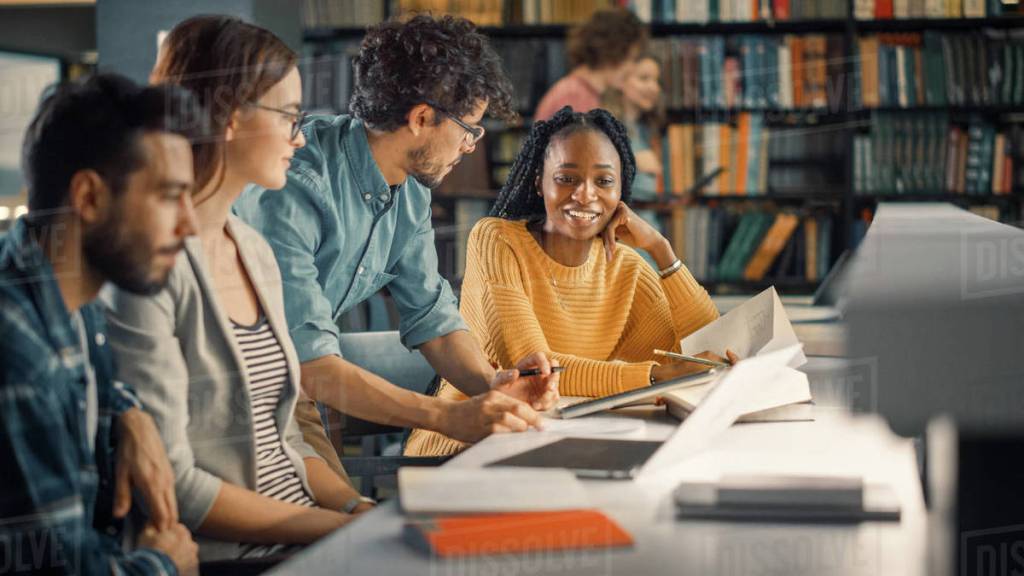
Peer Collaboration and Group Work in Gifted Classrooms
In gifted classrooms, educators often employ various teaching strategies to create a conducive learning environment for their students. One such strategy is the incorporation of peer collaboration and group work. This approach not only fosters academic growth but also nurtures essential social skills amongst gifted learners.
One of the primary benefits of peer collaboration is the opportunity for students to learn from one another. Gifted students possess unique talents and perspectives, which can greatly enrich their classmates’ learning experiences. Through collaborating with peers, they gain exposure to different viewpoints, problem-solving techniques, and creative approaches that they may not have considered on their own.
Group work in gifted classrooms also promotes critical thinking skills. When working together on complex projects or assignments, students are challenged to analyze information critically, synthesize ideas from multiple sources, and develop innovative solutions. By engaging in discussions with their peers, gifted learners refine their reasoning abilities and enhance their cognitive flexibility.
Moreover, peer collaboration helps foster important interpersonal skills such as teamwork and effective communication – skills that are invaluable both inside and outside the classroom. Working in groups requires students to negotiate roles, resolve conflicts constructively, listen actively to others’ ideas, provide constructive feedback, and collectively make decisions – all crucial aspects of collaborative success.
Gifted students often face unique challenges in traditional educational settings due to differences in pacing or depth of instruction compared to their non-gifted peers. However, by incorporating peer collaboration into the classroom environment specifically tailored for these exceptional learners can help address these challenges effectively.
It’s important for teachers to facilitate an inclusive atmosphere where every student feels valued and encouraged to contribute meaningfully during group activities. Teachers should ensure that each group consists of diverse skill sets so that every team member has something valuable to bring forward while avoiding excessive ability tracking or grouping based solely on test scores.
In conclusion, incorporating peer collaboration and group work into gifted classrooms provides numerous benefits for both academic and social growth. By creating opportunities for students to learn from one another, fostering critical thinking skills, and nurturing essential interpersonal skills, educators can create an engaging learning environment that caters to the unique needs of gifted learners.
 Alternative Amie
Leave a comment