The Role of Narrative Assessments in Personalized Learning
In the realm of education, personalized learning has gained significant attention and recognition for its ability to cater to the individual needs and interests of students. This approach emphasizes student agency, allowing learners to take ownership of their education by engaging in self-directed inquiry and pursuing their passions. To effectively assess the progress and growth of students in personalized learning environments, narrative assessments have emerged as a valuable tool.
Narrative assessments differ from traditional methods such as standardized tests or multiple-choice exams. Instead of relying solely on quantitative data, narrative assessments focus on capturing a holistic understanding of a student’s learning journey through qualitative descriptions and storytelling. These narratives provide rich insights into a student’s development across various dimensions – cognitive, social-emotional, creative, and more.
One area where narrative assessments have proven particularly effective is project-based learning (PBL). PBL encourages students to tackle real-world problems or engage in hands-on projects that integrate multiple disciplines. Unlike traditional assessments that emphasize memorization and regurgitation of facts, narrative assessments allow students to demonstrate their knowledge and skills through authentic experiences.
Through narratives, educators can evaluate not only the final product but also the process undertaken by students during project-based learning. They can examine how well students identified problems or challenges, developed strategies to address them, collaborated with peers, utilized critical thinking skills to make decisions, and reflected upon their own learning throughout the project.
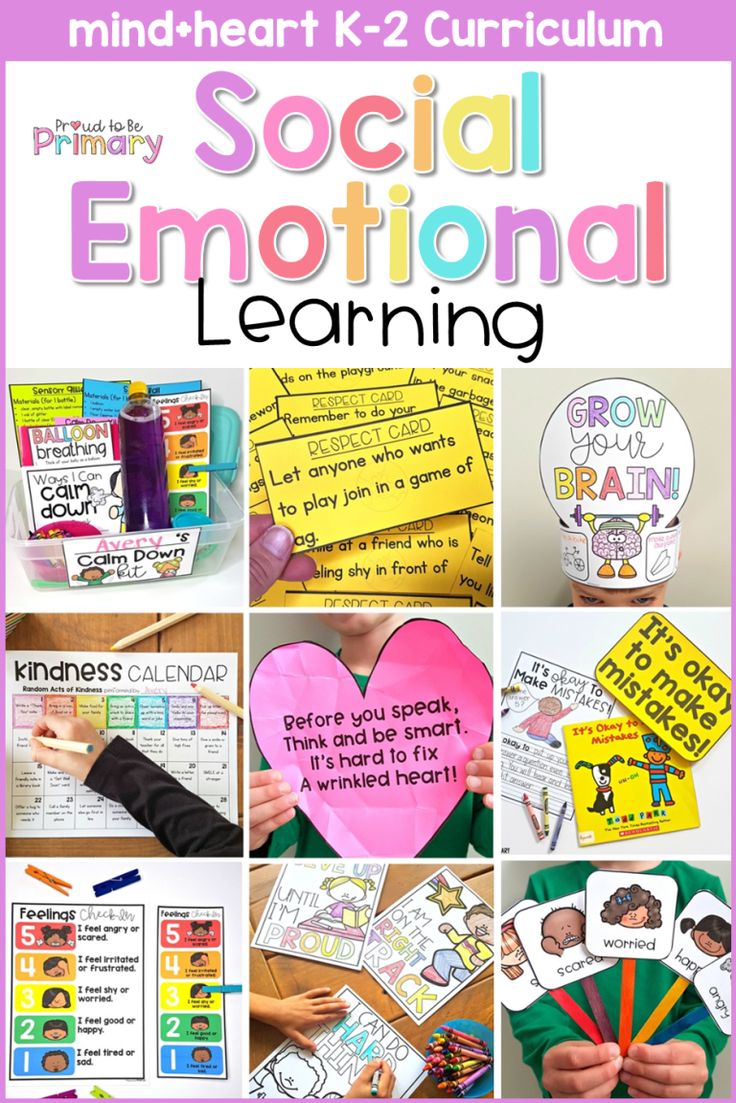
Moreover, narratives are instrumental in assessing social-emotional skills in alternative schooling settings. While academic achievement is important, cultivating social-emotional competencies like empathy, resilience, teamwork, and self-awareness is equally vital for holistic development. By utilizing narratives as assessment tools focused on these skills within alternative education programs—such as those catering to neurodiverse learners or non-traditional educational models—educators gain deeper insights into each student’s emotional intelligence and interpersonal capabilities.
For instance,”Student A demonstrated exceptional empathy when working with a peer who faced challenges due to hearing impairment. They actively sought ways to ensure effective communication and fostered an inclusive environment.” Such narratives not only provide evidence of the student’s social-emotional growth but also offer valuable feedback for further development.
Narrative assessments are particularly beneficial for students with special needs in alternative education settings. These students often require tailored instruction and individualized support to thrive academically and socially. By using narrative assessments, educators can capture and celebrate the unique abilities, progress, and achievements of these learners in a comprehensive manner.
The incorporation of student voice and choice is an essential aspect of personalized learning. Narrative assessments align perfectly with this principle by allowing students to share their perspectives, insights, reflections, and goals through their own storytelling. This process empowers them to take ownership of their learning journey while providing educators with valuable information about their interests, strengths, areas for improvement, and aspirations.
Assessing creativity and innovation is another critical factor in alternative schooling environments that emphasize divergent thinking over rote memorization. Traditional assessments often fail to adequately capture the essence of creative expression or problem-solving skills. However, narrative assessments provide a platform for students to showcase their imaginative ideas or innovative solutions through engaging stories or descriptions.
For instance,”Student B exhibited exceptional creativity when designing a sustainable city model that integrated renewable energy sources into its infrastructure. Their detailed narration highlighted how they thought outside the box while considering environmental impact.”
Furthermore, narrative assessments prove invaluable tools for evaluating critical thinking skills within alternative education programs. Critical thinking goes beyond factual recall; it encompasses the ability to analyze information critically, evaluate different perspectives or arguments effectively, make reasoned judgments based on evidence, solve complex problems creatively – all important skills required in today’s rapidly changing world.
By using narratives as assessment instruments,”Student C demonstrated exemplary critical thinking skills during a debate activity where they skillfully constructed logical arguments supported by relevant evidence while considering counter-arguments. They consistently demonstrated the ability to think critically and construct well-reasoned responses.”
The impact of narrative assessments on student motivation and engagement in alternative education cannot be overlooked. Traditional assessments often reduce students to mere test-takers, focusing solely on their weaknesses or areas for improvement. In contrast, narrative assessments celebrate individual growth, recognize accomplishments, and provide constructive feedback tailored to each student’s unique needs.
By incorporating narratives into the assessment process,”Student D exhibited significant growth in their self-regulation skills throughout the semester. Their reflective narratives showcased an increased ability to manage time effectively, set goals, and monitor their own progress independently.”
Assessing cultural competency and diversity is crucial within alternative schooling environments that strive for inclusivity and global citizenship education. Narratives allow students to explore diverse perspectives, share experiences related to culture or identity—cultivating empathy while promoting understanding among peers from different backgrounds.
Using narratives as assessment tools enables educators to evaluate not only a student’s knowledge of different cultures but also their ability to appreciate diversity and engage respectfully with others.
Incorporating technology into narrative assessments enhances both the assessment process itself and student engagement. Digital storytelling platforms enable students to create multimedia narratives using various media such as images, videos, audio clips – fostering creativity while integrating technology skills.
Moreover,”Student E utilized digital tools adeptly when creating an interactive e-portfolio showcasing their learning journey throughout the year. Their digital narrative effectively conveyed both academic achievements and personal growth.”
Narrative assessments are equally effective in assessing interdisciplinary learning within alternative schools that encourage cross-disciplinary exploration. These assessments provide opportunities for students to demonstrate connections between different subject areas by weaving together concepts or ideas through storytelling.
For example,”Student F skillfully integrated concepts from history, science, literature, and visual arts when presenting a research project on climate change impacts on indigenous communities. Their narrative beautifully illustrated how these disciplines intersected within this complex issue.”
Evaluating problem-solving skills using narratives in alternative education settings is another way to assess students’ ability to apply knowledge and strategies creatively. Narratives allow educators to analyze how students approach and solve problems, identify patterns or connections, develop innovative solutions, and learn from mistakes.
Assessing collaboration and teamwork through narrative assessments is essential within alternative schooling environments that emphasize cooperative learning models. These assessments provide insights into each student’s contribution to group projects, their ability to communicate effectively with peers, resolve conflicts constructively, and achieve shared goals.
For example,”Student G demonstrated exceptional collaboration skills during a group project where they consistently supported team members’ ideas, facilitated open communication channels while ensuring everyone had an equal voice.”
The role of self-reflection and self-assessment in narrative evaluations for alternative education programs cannot be overstated. By encouraging students to reflect on their own learning journeys through narratives,”Student H exhibited substantial growth in their metacognitive skills throughout the semester. Their reflective narratives showcased an increased ability to identify strengths, areas for improvement – setting specific goals for further development.”
Using narratives as assessment tools enables educators to evaluate resilience and perseverance within non-traditional educational settings. Narratives allow students to document challenges encountered while pursuing their academic or personal goals—highlighting efforts made despite setbacks or obstacles faced along the way.
For instance,”Student I exhibited remarkable resilience when facing repeated failures while developing a complex coding project. Their narrative emphasized unwavering determination while seeking additional resources/supports – ultimately achieving success.”
Narrative assessments are effective tools for assessing global citizenship skills within alternative schooling environments. These assessments enable educators to examine how well students understand global issues such as poverty, climate change or human rights—demonstrating empathy towards marginalized communities both locally and globally.
Evaluating communication skills through storytelling approaches provides insight into a student’s ability not only to articulate ideas effectively but also actively listen – engage empathetically with others’ perspectives.”Student J showcased exceptional verbal communication skills during a class debate where they effectively presented their argument, listened attentively to peers’ viewpoints, and responded constructively while maintaining respect.”
Assessing environmental literacy using narratives within alternative education programs fosters students’ understanding of the natural world, sustainability concepts, and ecological systems. Narratives allow students to explore environmental issues through storytelling—developing empathy towards the environment and considering actions for positive change.
The impact of narrative feedback on student growth and development cannot be underestimated. Unlike traditional assessments that often offer limited feedback or assign numerical scores,”Student K demonstrated substantial growth in their writing skills throughout the year. Their teacher’s detailed narrative feedback consistently highlighted strengths – providing specific suggestions for improvement.”
Incorporating peer assessment into narrative evaluations within alternative schooling promotes collaboration, self-reflection, and shared responsibility for learning.”Student L provided valuable peer feedback during a group project evaluation by offering constructive criticism while also recognizing team members’ contributions. Their insightful narrative assessment showcased strong analytical skills combined with empathy – contributing significantly to the overall team effort.”
Narrative assessments serve as tools for promoting metacognitive skills development among students in alternative education settings. By engaging in reflective writing or storytelling processes,”Student M exhibited significant growth in their ability to plan, monitor progress, evaluate outcomes – setting goals based on self-assessment throughout the semester.”
Using storytelling approaches enables educators to assess ethical reasoning within alternative education contexts,”Student N demonstrated exceptional ethical reasoning when faced with an ethical dilemma during a social studies unit exploring human rights violations. Their deeply reflective narrative showcased a nuanced understanding of moral implications while exploring multiple perspectives—ultimately making an informed ethical decision.”
Evaluating digital literacy through narrative-based assessments provides insight into each student’s ability to navigate online environments critically—to understand media bias, recognize misinformation or fake news—and communicate effectively using various digital tools.
For example,”Student O skillfully utilized digital resources when researching information related to renewable energy sources for an oral presentation—effectively evaluating online sources for credibility, synthesizing information, and presenting findings coherently.”
The role of narratives in assessing career readiness skills within an alternative education context is vital. By engaging in storytelling activities or creating digital portfolios,”Student P demonstrated exceptional career readiness skills by effectively showcasing their achievements and experiences related to internships, community service, or vocational training—highlighting transferable skills desired by potential employers.”
Using narratives to evaluate community engagement and service-learning experiences provides valuable insights into a student’s active involvement in the community.”Student Q exhibited outstanding commitment to community service through their narrative assessment during a reflection on a volunteering experience at a local homeless shelter. Their narrative highlighted not only empathy toward marginalized individuals but also critical analysis of systemic causes contributing to homelessness—an essential aspect of being an engaged citizen.”
In conclusion, narrative assessments play a crucial role in personalized learning environments within alternative schooling contexts. They provide educators with comprehensive insights into students’ progress across various dimensions – cognitive, social-emotional, creative – while fostering metacognitive skills development, promoting self-reflection and self-assessment.
Narrative assessments allow for the evaluation of diverse competencies such as problem-solving abilities, collaboration skills, environmental literacy—while cultivating ethical reasoning and global citizenship awareness among learners.
Moreover,”Student R exemplified remarkable growth throughout the year when reflecting on their personal learning journey through narratives—a testament to the positive impact that narrative assessments have on student motivation – engagement within alternative education programs.”
 Alternative Amie
Leave a comment