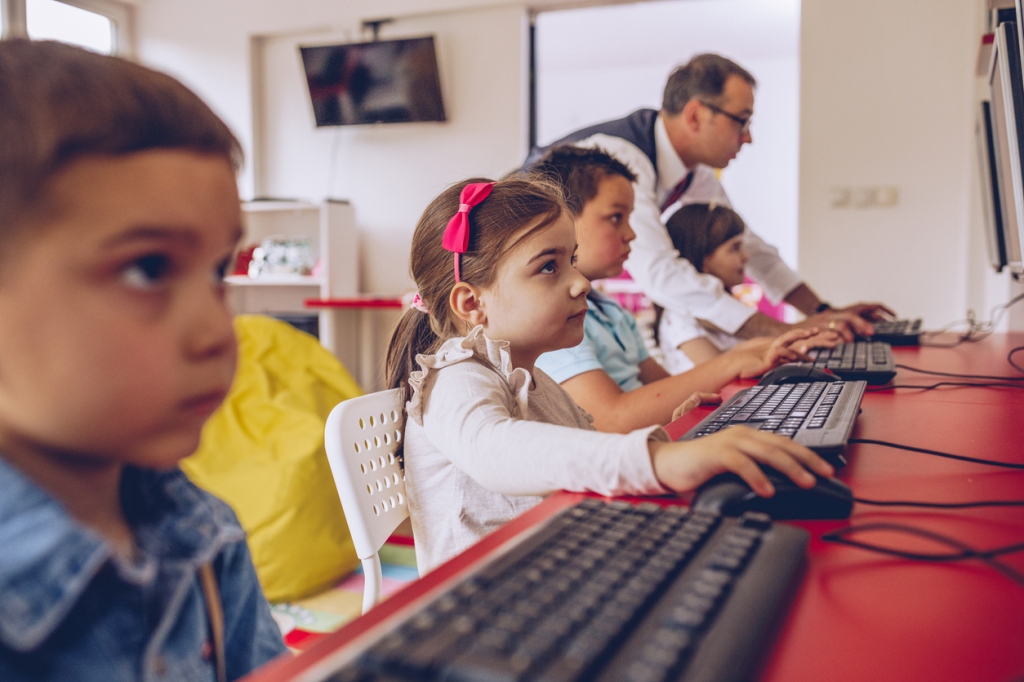
As technology continues to advance at an unprecedented rate, it is becoming increasingly integrated into various aspects of our lives. One area where its impact is particularly noteworthy is in the field of education. Traditional schooling methods are being transformed by innovative technologies, offering new opportunities for learning and enhancing the educational experience for students.
One significant advantage of incorporating technology into education is the accessibility it provides. With the internet becoming more widely available, students from all walks of life can access educational resources that were previously limited to those with physical access to libraries or expensive textbooks. Online platforms and digital resources enable students to learn at their own pace and explore a wide range of topics beyond what may be covered in traditional classroom settings.
Moreover, technology has revolutionized communication between teachers and students. In the past, interactions were mostly confined to face-to-face discussions during class time or after-school consultations. However, with tools like email, video conferencing software, and instant messaging apps, teachers can now provide continuous support outside regular school hours. This allows for personalized feedback on assignments and an ongoing dialogue where students can seek clarification on concepts they find challenging.
In addition to improved accessibility and communication, technology has also opened up new possibilities for collaborative learning. Virtual classrooms allow students from different geographical locations to work together on group projects or engage in discussions facilitated by their teacher through video conferences or online forums. Such collaborations foster cultural exchange and help develop essential skills such as teamwork, problem-solving, and critical thinking.
Furthermore, technological advancements have paved the way for adaptive learning systems that cater to each student’s unique needs and abilities. These systems utilize artificial intelligence algorithms that analyze data gathered from individual student performance to deliver personalized instruction tailored specifically to each learner’s strengths and weaknesses. Adaptive learning not only ensures that students receive targeted support but also allows them to progress at their own pace without feeling left behind or held back by others in a traditional classroom setting.
Another aspect where technology has made a significant impact is in the realm of virtual reality (VR) and augmented reality (AR). These immersive technologies have transformed education by providing interactive and engaging experiences that go beyond traditional textbooks. VR can transport students to historical events, distant planets, or even microscopic worlds, allowing them to explore and interact with subjects in ways that were previously unimaginable. AR overlays digital information onto the real world, enhancing understanding and making abstract concepts more tangible.
One particular area where technology has proven invaluable is in special education. Assistive technologies such as screen readers, voice recognition software, and specialized apps enable students with disabilities to participate fully in educational activities. These tools break down barriers by providing alternative methods of communication, access to learning materials, and opportunities for self-expression. Through technology, individuals with disabilities are empowered to learn alongside their peers on an equal footing.
Despite these numerous benefits of incorporating technology into education, it is important to acknowledge some potential challenges as well. One concern often raised is the potential for increased screen time leading to reduced physical activity or social interaction among students. It is crucial for educators and parents to strike a balance between integrating technology into the curriculum while also encouraging outdoor activities and face-to-face interactions.
Additionally, ensuring equitable access to technology remains a pressing issue that needs addressing. While many schools have embraced digital tools in their classrooms, there are still communities where internet connectivity or device availability may be limited due to economic disparities or geographic location. Bridging this digital divide requires proactive efforts from policymakers and stakeholders who must work together towards creating an inclusive educational environment.
In conclusion, technology has become an indispensable tool in modern education systems worldwide. Its integration has revolutionized accessibility through online resources; transformed communication channels between teachers and students; facilitated collaborative learning; enabled adaptive instruction tailored to individual needs; introduced immersive experiences through virtual reality; empowered individuals with special needs; among many other benefits. As we continue exploring new possibilities offered by technological advancements, it is essential that we strike a balance and ensure equitable access to opportunities for all students. By harnessing the potential of technology, we can create an educational landscape that prepares learners for the challenges of the future.
 Alternative Amie
Leave a comment