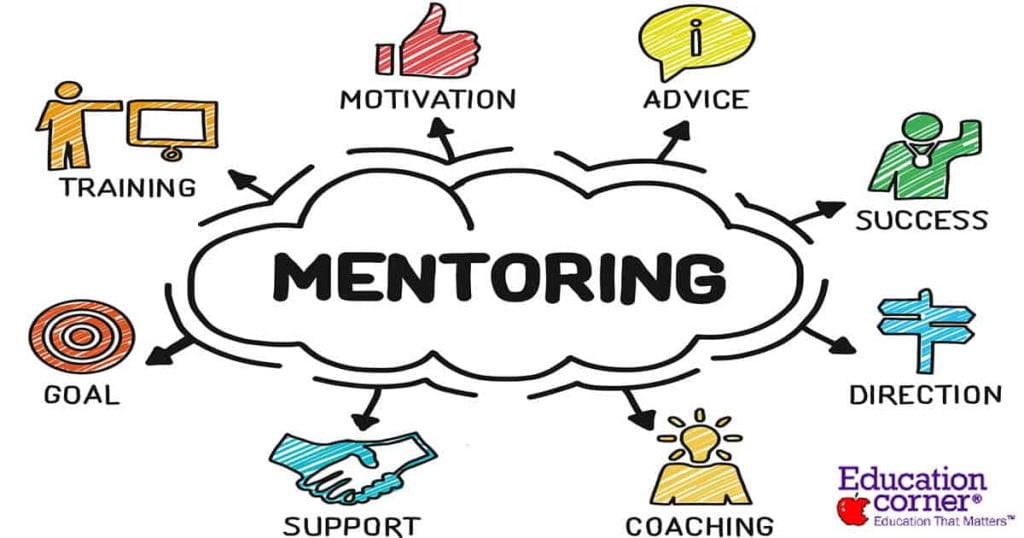
Mentorship plays a vital role in alternative schooling and education. It provides students with personalized guidance, support, and opportunities for growth outside of traditional classroom settings. In this deep-dive post, we will explore the various aspects of mentorship in alternative education and its impact on students’ academic, social-emotional, and career development.
1. Finding the right mentor:
Finding the right mentor is crucial for a successful mentoring experience. When seeking a mentor for alternative schooling, it’s important to consider their expertise in the specific area or approach you are pursuing. Look for someone who shares your values and can provide guidance based on their own experiences and knowledge.
2. Benefits of mentorship in alternative education:
Mentorship offers several benefits to students in alternative education settings. Firstly, it allows for individualized attention and support tailored to each student’s needs and goals. Mentors can help identify strengths, weaknesses, interests, and aspirations while providing valuable feedback throughout the learning process.
Additionally, mentors serve as positive role models who inspire students to explore new ideas, take risks, overcome challenges, and develop essential skills such as critical thinking, problem-solving, communication, and self-motivation.
3. Mentorship programs for homeschoolers:
Homeschooling often relies heavily on parental involvement; however, incorporating mentors into homeschooling can enhance the educational experience further. Mentorship programs designed specifically for homeschoolers connect them with individuals who have expertise in various subjects or fields of interest.
These mentors can offer specialized instruction beyond what parents may be able to provide while also serving as an additional source of support outside the immediate family unit.
4. Mentoring for unschooling approaches:
Unschooling emphasizes self-directed learning where students pursue their interests independently without following a predetermined curriculum or structure. In this context, mentors play a significant role by offering guidance without imposing restrictions or limitations on what subjects or projects students can explore.
Mentors in unschooling settings act as facilitators, providing resources, suggesting opportunities for learning, and helping students set goals and reflect on their progress.
5. Peer mentoring in alternative schools:
Peer mentoring fosters a sense of community within alternative schools by encouraging collaboration and knowledge-sharing among students. It allows older or more experienced students to support and guide their peers who may be new to the school or struggling academically or socially.
Through peer mentoring programs, students can develop leadership skills while also benefiting from the insights and perspectives of their peers.
6. Mentorship for project-based learning:
Project-based learning (PBL) is an approach that revolves around hands-on projects rather than traditional lectures or assignments. Mentors play a crucial role in PBL by guiding students through project planning, execution, and evaluation stages.
They provide expertise, share real-world experiences, offer feedback on project ideas, help with problem-solving strategies, and encourage critical thinking throughout the process.
7. Mentoring for personalized learning:
Personalized learning tailors education to individual student needs, preferences, interests, and pace of learning. Mentors assist in designing customized learning plans that align with each student’s unique strengths and areas for growth.
They work closely with the student to identify goals, curate relevant resources/materials, monitor progress regularly through assessments or discussions,
and adjust instruction accordingly based on individual needs.
8. Role of mentors in self-directed education:
Self-directed education empowers students to take ownership of their learning journey by following their passions and curiosity actively.
Mentors serve as guides who help navigate this process effectively.
They provide structure when needed,
facilitate access to resources,
encourage exploration across diverse disciplines,
and foster metacognitive skills such as reflection
and goal-setting necessary for self-directed learners.
9. Mentorship for students with special needs in alternative schools:
Inclusive mentorship programs are essential components of alternative schooling options catering to students with special needs. Mentors provide personalized support, accommodations, and adaptations to meet the unique educational requirements of these students.
They work closely with teachers, parents, and other professionals to ensure that students receive individualized instruction while also addressing their social-emotional well-being.
10. Mentoring for experiential learning:
Experiential learning emphasizes hands-on experiences as a primary mode of education.
Mentors facilitate these experiences by providing opportunities for students to engage in real-world contexts relevant to their interests or career goals.
Through mentorship in experiential learning settings,
students can apply theoretical knowledge practically,
develop problem-solving skills,
enhance decision-making abilities,
and gain insight into potential career paths.
11. Mentorship in online alternative education programs:
Online alternative education programs offer flexibility and accessibility to a wide range of learners.
Mentorship plays a vital role in bridging the virtual gap between students and educators
by providing individualized feedback,
supporting goal-setting strategies,
fostering motivation and accountability,
and promoting engagement through regular interactions via video conferences, emails, or discussion boards.
12. Building a strong mentor-mentee relationship:
A strong mentor-mentee relationship is foundational for meaningful mentorship experiences.
To build such relationships within alternative schooling settings, mentors should invest time in understanding each student’s background, interests, strengths, weaknesses, and aspirations.
Additionally,
active listening skills,
empathy,
clear communication channels ,
mutual respect ,
and consistent support are key elements that foster trust
and promote effective collaboration between mentors and mentees.
13. Mentoring for social-emotional development in alternative schooling:
Alternative schooling often places significant emphasis on holistic development beyond academics.
Mentors play an essential role in supporting students’ social-emotional growth by providing guidance on self-awareness
,
emotional regulation,
relationship-building,
conflict resolution,
and resilience building strategies.
14. Mentorship strategies for fostering creativity and innovation in education alternatives:
Creativity and innovation are highly valued skills in alternative schooling approaches.
Mentors can encourage these qualities by providing opportunities for brainstorming,
encouraging risk-taking,
challenging conventional thinking,
and offering constructive feedback that fosters ideation
while also helping students transform ideas into tangible outcomes.
15. Mentoring for career exploration and guidance:
Mentorship is a valuable tool for career exploration and guidance within alternative education settings.
Through regular interactions with mentors from various fields,
students gain exposure to different professions,
learn about industry-specific skills,
receive advice on educational pathways or training requirements
,
and develop a realistic understanding of potential career paths.
16. The impact of mentorship on academic success in alternative schools:
Research suggests that mentorship positively influences academic success within alternative schooling environments.
Mentors provide personalized instruction,
motivation,
accountability,
and support tailored to individual student needs.
They help students set goals,
monitor progress,
provide timely feedback,
address learning gaps effectively,
and celebrate achievements along the way.
17. Mentorship as a tool to develop critical thinking skills:
Critical thinking is an essential skill cultivated through mentorship in alternative education.
By challenging assumptions, promoting inquiry-based learning
, and encouraging evidence-based reasoning ,
mentors foster critical thinking abilities necessary for problem-solving across diverse contexts.
18. Peer mentoring as a form of student leadership:
Peer mentoring empowers students by allowing them to take on leadership roles within the school community.
It promotes collaboration, empathy, communication skills ,
and helps build a supportive network where students learn from each other’s experiences while also developing their own mentoring competencies .
19. The role of mentors in building resilience and perseverance:
Resilience and perseverance are crucial qualities developed through mentorship in alternative schooling settings.
Mentors serve as guides who help students navigate through challenges ,
overcome obstacles ,
reflect on setbacks ,
develop coping strategies ,
and maintain a growth mindset necessary for long-term success.
20. Cultivating mentorship opportunities within the community:
Community involvement is essential in alternative education settings.
By fostering partnerships with local professionals, businesses, or organizations,
schools can create mentorship opportunities that provide students with access to real-world experiences and expertise.
21. Mentorship programs for at-risk youth in alternative education settings:
Mentorship programs targeted towards at-risk youth play a pivotal role in supporting their academic achievement and well-being.
Mentors offer guidance, stability, positive role modeling ,
and help foster resilience among these students who may face various challenges outside of school.
22. Mentoring as a support system for parents in alternative schooling:
Parents often take on multiple roles as educators, facilitators, advocates ,
and mentors themselves within alternative schooling approaches.
However,
mentorship can also be extended to parents by providing resources,
guidance,
networking opportunities ,
and emotional support through regular interactions with experienced educators or other parents in similar educational paths.
23. The importance of diverse mentors in inclusive alternative education:
Inclusive mentorship requires diversity in terms of race,
gender,
ethnicity ,
ability ,
backgrounds ,
and perspectives among mentors.
A diverse pool of mentors ensures representation
while promoting equity and inclusion within the learning environment.
24. Mentorship models and best practices in non-traditional educational settings:
Various mentoring models exist within non-traditional educational settings
such as one-on-one mentoring,
group mentoring ,
peer-to-peer mentoring ,
virtual mentoring ,
or hybrid models combining different approaches.
Best practices include clear goal-setting processes,
establishing communication channels,
providing ongoing training for mentors ,
regular evaluation of the program’s effectiveness
25. Using technology to enhance mentor-mentee interactions:
Technology plays a crucial role in facilitating mentor-mentee interactions
in online or blended learning environments.
Video conferencing tools,
online collaboration platforms,
or virtual learning environments can be utilized to ensure regular and meaningful communication between mentors and mentees.
26. Empowering students through mentorship experiences:
Mentorship empowers students by giving them agency over their educational journey.
It encourages self-reflection, goal-setting,
and instills a sense of ownership and responsibility in their own learning process.
By providing guidance, resources, and support,
mentors enable students to develop the confidence
and skills necessary for lifelong learning.
27. The role of mentors in fostering a sense of belonging and community engagement:
Mentors play a critical role in creating a sense of belonging within alternative education settings.
They help students connect with peers ,
build relationships within the community ,
participate in service-learning opportunities ,
and engage with broader social issues
by promoting empathy,
tolerance ,
respect ,
and civic responsibility.
28.Mentorship as a means to bridge the gap between formal and informal learning approaches:
Alternative schooling often blurs the boundaries between formal and informal learning approaches.
Mentors can bridge this gap by drawing connections between classroom-based instruction,
real-world applications,
informal learning experiences,
and extracurricular activities.
This integrated approach enhances student understanding,
engagement ,
and retention of knowledge while also encouraging lifelong curiosity.
In conclusion, mentorship plays an integral role in alternative schooling and education. It provides personalized guidance,
supports holistic development ,
fosters critical thinking skills ,
cultivates resilience ,
bridges gaps between formal and informal learning approaches ,
facilitates career exploration ,
empowers students,
strengthens community engagement ,
enhances academic success,
nurtures creativity ,
promotes inclusivity ,
encourages peer leadership ,
and cultivates lifelong learners.
By recognizing the value of mentorship within alternative education settings,
we can create enriching educational experiences that empower every student on their unique path towards success.
 Alternative Amie
Leave a comment