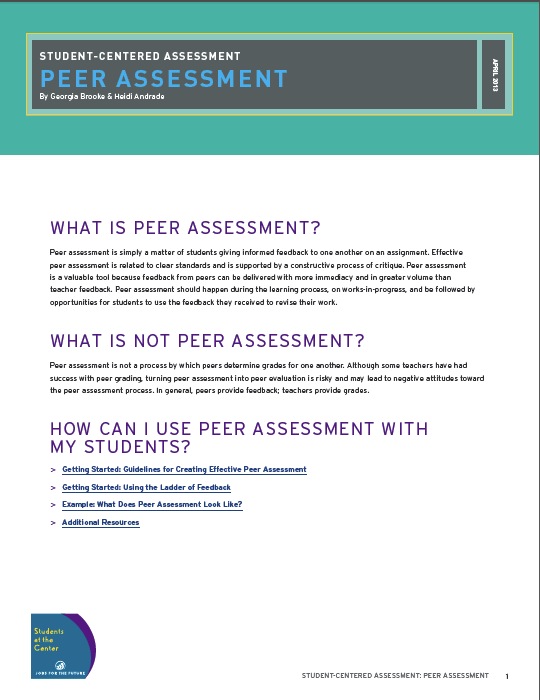
Peer Assessments: Fostering Collaboration and Growth in Alternative Education
Introduction:
In the realm of alternative schooling and education, traditional methods of assessment are being challenged. One such approach gaining popularity is peer assessment, which allows students to evaluate each other’s work. This method not only shifts the focus from a teacher-centered to a student-centered learning environment but also cultivates essential skills such as critical thinking, collaboration, and self-reflection. In this panel discussion-style article, we explore the benefits and challenges of implementing peer assessments in alternative education settings.
Panelists:
1. Dr. Sarah Thompson – Education Consultant
2. Mr. David Miller – Alternative School Teacher
3. Ms. Emma Roberts – High School Student
4. Mrs. Lisa Johnson – Parent Advocate for Alternative Education
Benefits of Peer Assessment:
Dr. Thompson: “Peer assessments offer numerous benefits for students’ academic growth and personal development.” Firstly, by engaging in peer evaluations, students become more active participants in their own learning process rather than passive recipients of information or grades assigned solely by teachers.”
Ms. Roberts: “Absolutely! Peer assessments encourage collaboration among students since they have to discuss and provide constructive feedback on each other’s work.”
Mr. Miller: “I find that when students assess their peers’ work, it helps them understand different perspectives and learn from one another.”
Mrs. Johnson: “Additionally, besides fostering collaboration skills, peer assessments promote critical thinking as students analyze others’ work against specific criteria or rubrics.”
Challenges with Implementing Peer Assessment:
Dr.Thompson: “While there are many advantages to using peer assessment strategies, educators must be aware of potential challenges.” One significant challenge is ensuring fairness during evaluations; some students may struggle with impartiality or lack confidence in evaluating their peers.
Ms.Roberts: “Absolutely! It can be challenging sometimes if a student doesn’t take the task seriously or provides unhelpful feedback that discourages their peers.”
Mr. Miller: “Another challenge is ensuring that students have a clear understanding of the assessment criteria and expectations, as this can affect the quality of feedback provided.”
Mrs. Johnson: “Lastly, teachers need to be vigilant in monitoring and guiding the peer assessment process to ensure it remains positive and constructive for all students involved.”
Strategies for Successful Peer Assessment:
Dr.Thompson: “To overcome these challenges, educators should provide clear guidelines and rubrics to guide students during peer assessments. This helps set expectations and ensures consistency in evaluation.”
Ms.Roberts: “Teachers could also facilitate discussions or workshops on how to give effective feedback, promoting constructive criticism rather than personal attacks.”
Mr.Miller: “Peer assessment activities can be incorporated into project-based learning or group activities where students work collaboratively. It allows them to evaluate not only individual contributions but also teamwork skills.”
Mrs.Johnson: “Parent involvement is crucial too! Regular communication between parents, teachers, and students about the benefits and challenges of peer assessments will help address any concerns or barriers that arise.”
Long-term Impact on Student Learning:
Dr.Thompson: “When implemented effectively, peer assessments contribute significantly to student growth beyond academics.” Students develop vital life skills such as empathy, active listening, communication abilities when providing feedback or receiving it from peers.
Ms.Roberts: “Absolutely! These skills are essential in preparing us for higher education or entering the workforce where collaboration is valued more than ever before!”
Mr.Miller: “Moreover, by involving students in evaluating their own work and that of others’, they become more self-aware learners who take ownership of their progress instead of relying solely on teacher evaluations.”
Mrs.Johnson: “I’ve seen firsthand how my child’s confidence has grown through participating in peer assessment activities. It encourages them to reflect on their strengths while identifying areas for improvement without feeling judged by authority figures alone.
Conclusion:
As alternative education continues to evolve, the implementation of peer assessments emerges as a valuable tool for fostering collaboration, critical thinking, and self-reflection amongst students. The benefits far outweigh the challenges when educators provide clear guidelines, promote constructive feedback, and monitor the process effectively. By embracing this student-centered approach to assessment, alternative education environments empower learners to become active participants in their own growth and development while equipping them with essential skills for success in their academic and professional journey.
 Alternative Amie
Leave a comment