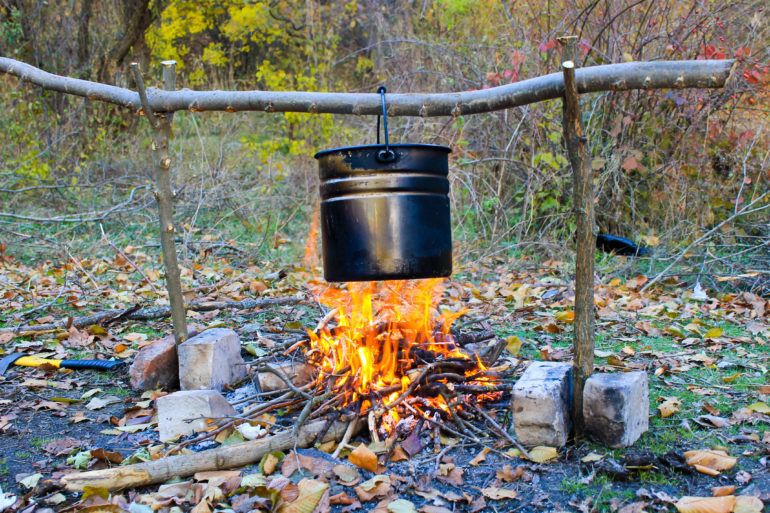
As an advocate for alternative schooling and education, I believe that learning extends far beyond the confines of a traditional classroom. One important set of skills that often goes overlooked in mainstream education is fire safety and campfire cooking. These skills not only provide practical knowledge but also foster a deep sense of connection to nature and self-reliance.
Fire safety is an essential skill that everyone should learn, regardless of age or background. Whether you’re planning a camping trip, building a bonfire in your backyard, or simply lighting candles at home, understanding how to handle fire safely can prevent accidents and potentially save lives.
First and foremost, it’s crucial to choose the right location for your fire. Select an area that is clear from overhanging branches or other flammable materials such as dry leaves or grass. Always have water nearby to extinguish the flames if necessary. Additionally, check local regulations regarding open fires before starting one.
Before lighting a fire, gather all necessary materials: tinder (small twigs or dry grass), kindling (small sticks), and fuelwood (larger logs). This ensures that once you start the fire, you won’t need to leave it unattended while searching for more wood.
When it comes time to ignite the fire, there are several methods you can use depending on availability and personal preference. Matches and lighters are commonly used tools; however, learning alternative methods like using a flint striker or bow drill can be valuable in emergency situations where matches may not be available.
Once your fire begins burning steadily, remember never to leave it unattended. Even small sparks can quickly turn into large flames if left unchecked. Make sure someone responsible stays near the fire until it is entirely extinguished.
Now let’s move on to campfire cooking skills – another essential aspect of outdoor living! Cooking over an open flame offers unique flavors and experiences that cannot be replicated in a conventional kitchen setting.
Campfire cooking requires a different approach than cooking on a stove. To start, you’ll need proper equipment such as a cast-iron skillet, grill grate, or Dutch oven. These items are designed to withstand high temperatures and distribute heat evenly.
When it comes to food preparation, simplicity is key. Opt for recipes that require minimal ingredients and prep work. Foil packet meals are an excellent choice for campfire cooking as they allow you to combine different ingredients in one convenient package.
To ensure your food cooks evenly, position the grill grate at least 6 inches above the flames. This distance allows for better temperature control and avoids scorching or undercooking your meal.
One important tip to remember when campfire cooking is patience. Cooking over an open flame takes time; rushing can result in burnt or undercooked food. Utilize a meat thermometer to ensure meats are cooked thoroughly and reach safe internal temperatures.
Another crucial aspect of campfire cooking is cleaning up properly after each meal. Leaving behind food scraps or garbage not only attracts unwanted wildlife but also poses environmental risks. Pack out what you pack in – leave no trace!
With these fire safety tips and campfire cooking skills in mind, it’s essential to note that practice makes perfect. Learning by doing is often the most effective way to acquire these skills, so don’t be afraid to get hands-on experience! Gather friends and family around a controlled fire while practicing safe techniques together.
For those seeking more structured education on fire safety and outdoor skills, consider enrolling in local workshops or joining scouting programs like Boy Scouts or Girl Scouts where camping skills are taught systematically.
By integrating fire safety knowledge with practical campfire cooking skills into alternative schooling curricula, we can empower students with valuable life lessons rooted in self-reliance while fostering an appreciation for nature’s beauty and our place within it.
 Alternative Amie
Leave a comment