Addressing socialization concerns in college-preparatory homeschooling
One of the most common concerns raised about homeschooling, especially in a college-preparatory context, is the issue of socialization. Many people worry that homeschooled students may miss out on important opportunities to develop social skills and interact with peers.
However, it is essential to understand that homeschooling does not automatically equate to isolation or lack of socialization. In fact, there are various strategies and approaches that can be implemented to address this concern effectively.
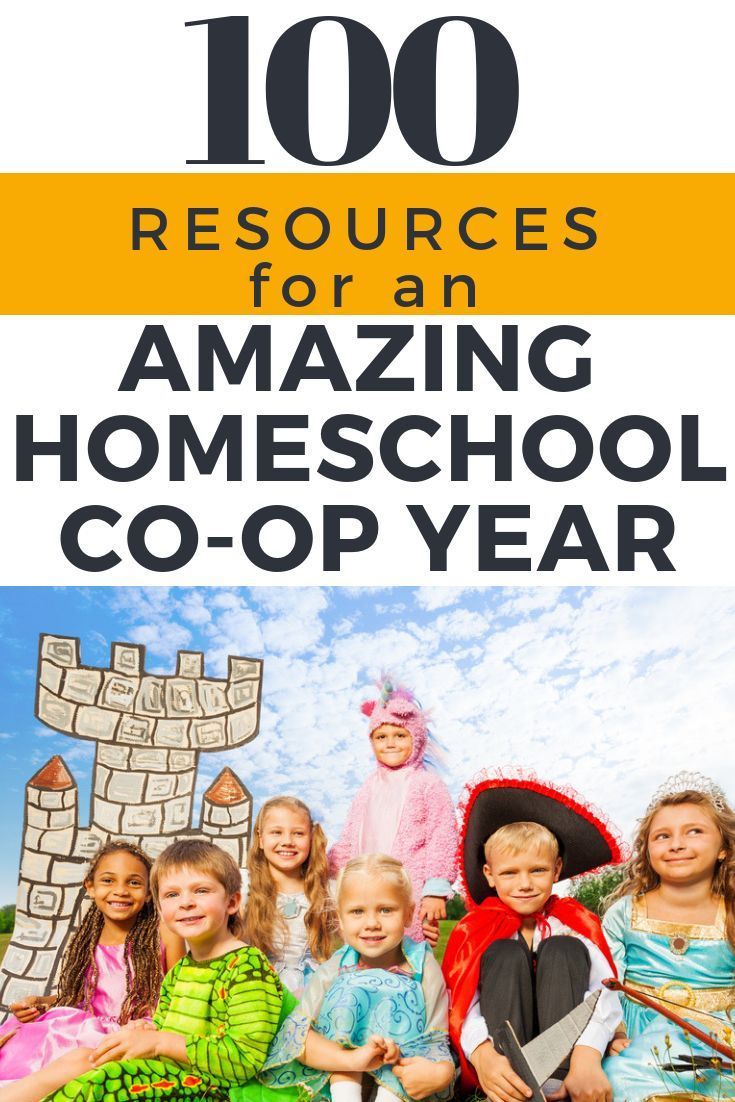
1. Engage in co-ops and extracurricular activities: Homeschoolers can participate in local co-operative education programs where students come together for specific subjects or activities. These co-ops often provide opportunities for group projects, discussions, and even field trips. Additionally, participating in extracurricular activities such as sports teams, community service organizations, music groups, or drama clubs can also foster social interactions with other like-minded individuals.
2. Join homeschool support groups: Connecting with other homeschooling families through support groups can create a sense of community and offer opportunities for regular meet-ups, playdates, study sessions, or shared learning experiences. These groups often organize events like science fairs or book clubs where students can interact with their peers while developing essential interpersonal skills.
3. Volunteer work: Encouraging homeschooled students to engage in volunteer work within their communities not only provides an opportunity for them to give back but also exposes them to diverse individuals and situations outside their immediate circle. This experience promotes empathy and cultivates valuable communication skills by interacting with people of all ages from different backgrounds.
4. Dual enrollment programs: Many colleges offer dual enrollment programs that allow high school students (including homeschooled ones) to take classes at the college level while still completing their high school studies. Participating in these programs enables homeschooled students to interact with college professors and fellow classmates who are typically older and have different life experiences. This exposure can help bridge the gap between homeschooling and the college environment.
5. Online communities: The internet has made it easier than ever for homeschooled students to connect with their peers around the world through online forums, virtual study groups, or social media platforms specifically designed for homeschoolers. These digital communities provide a space for students to share ideas, collaborate on projects, and build relationships with individuals who may have similar academic goals or interests.
It is important to note that while socialization is a valid concern, it should not overshadow the numerous advantages of homeschooling in terms of individualized instruction, flexible schedules, and personalized learning experiences. Research consistently shows that homeschooled students often excel academically and demonstrate higher levels of self-confidence compared to their traditionally-schooled counterparts.
Incorporating project-based learning into the homeschool curriculum
Project-based learning (PBL) is an effective method of education that encourages students to actively engage in real-world problem-solving through hands-on projects. By incorporating PBL into the homeschool curriculum, parents can foster critical thinking skills, cultivate creativity, and promote independent learning in their children.
Here are some strategies for successfully implementing project-based learning at home:
1. Identify meaningful topics: Begin by selecting topics or themes that align with your child’s interests or areas where they need further exploration. By choosing subjects that resonate with them personally, you increase motivation and engagement throughout the project.
2. Define clear objectives: Clearly outline what you expect your child to learn or achieve through each project. These objectives should be specific enough to guide their research but broad enough to allow flexibility and creative thinking.
3. Encourage inquiry-based research: Instead of providing all the answers upfront, encourage your child to ask questions and explore various resources independently – both online and offline –to find relevant information about their chosen topic.
4. Set realistic timelines: Establish a timeline for completing the project, including specific milestones or checkpoints along the way. This helps students develop time-management skills and ensures that they make progress consistently.
5. Foster collaboration: Whenever possible, encourage your child to work with others on their projects. Collaborating with peers or experts in the field can enhance problem-solving abilities, promote teamwork, and provide diverse perspectives.
6. Showcase final products: At the end of each project, allow your child to present their findings or creations to an audience – this could be family members, friends, other homeschooling families, or even through online platforms such as blogs or videos. Presentations help develop effective communication skills while also boosting confidence.
7. Reflect and evaluate: After completing a project, take time to reflect on what worked well and what could be improved for future undertakings. Encourage self-evaluation by asking questions like “What did you learn from this experience?” or “How would you approach a similar project differently next time?”
By incorporating project-based learning into the homeschool curriculum, parents can provide their children with an education that goes beyond textbooks and exams. PBL promotes critical thinking skills, encourages creativity and innovation while fostering a love for lifelong learning.
Teaching advanced science subjects (biology)
Teaching advanced science subjects like biology at a college-preparatory level may seem challenging for homeschooling parents without formal scientific training. However, with careful planning and access to various resources available today, it is entirely possible to provide high-quality instruction in these subjects from home.
Here are some strategies for teaching advanced biology effectively:
1. Utilize online courses: Take advantage of online platforms that offer comprehensive courses specifically designed for homeschooled students in advanced biology topics like genetics, cellular biology, ecology, etc. These courses often include video lectures by qualified instructors along with interactive quizzes and assignments.
2. Virtual labs: While hands-on lab experiences might be limited in a homeschooling environment due to resource constraints, there are virtual lab simulations available online that can provide a similar experience. These simulations allow students to conduct experiments, analyze data, and make observations in a controlled digital environment.
3. Textbooks and reference materials: Invest in college-level biology textbooks or specialized study guides that cover the required topics thoroughly. These resources often include detailed explanations, diagrams, practice questions, and even supplementary online materials like interactive quizzes or video demonstrations.
4. Online communities and forums: Encourage your child to join online communities or forums where they can interact with other homeschoolers studying advanced biology. These platforms provide opportunities for asking questions, sharing insights, discussing complex concepts, and seeking advice from more experienced individuals.
5. Field trips and nature exploration: Biology is an inherently hands-on subject that benefits greatly from real-world experiences. Plan field trips to local nature reserves, botanical gardens, zoos, or museums to supplement theoretical knowledge with practical observation of organisms in their natural habitats.
6. Guest speakers or mentors: Reach out to local universities or research institutions to see if any experts would be willing to give guest lectures on specific biology topics or serve as mentors for homeschooling students interested in pursuing advanced studies in the field.
7. Individual research projects: Encourage your child to explore areas of personal interest within biology through independent research projects. This allows them to delve deeper into specific subtopics while developing critical thinking skills and enhancing their ability to analyze scientific literature.
Remember that teaching advanced science subjects requires continuous learning on your part as well. Stay updated with current scientific advancements by reading reputable journals or attending webinars related to the fields you are teaching.
In conclusion:
Homeschooling provides ample opportunities for socialization through co-ops, extracurricular activities,
support groups,
and volunteer work.
Project-based learning fosters critical thinking skills,
creativity,
and independent learning.
Teaching advanced science subjects like biology can be accomplished through online courses,
virtual labs,
textbooks,
online communities,
field trips,
guest speakers, and individual research projects.
With careful planning, access to resources, and a commitment to providing a well-rounded education, homeschooling parents can successfully address concerns about socialization while also offering high-quality instruction in advanced subjects.
 Alternative Amie
Leave a comment