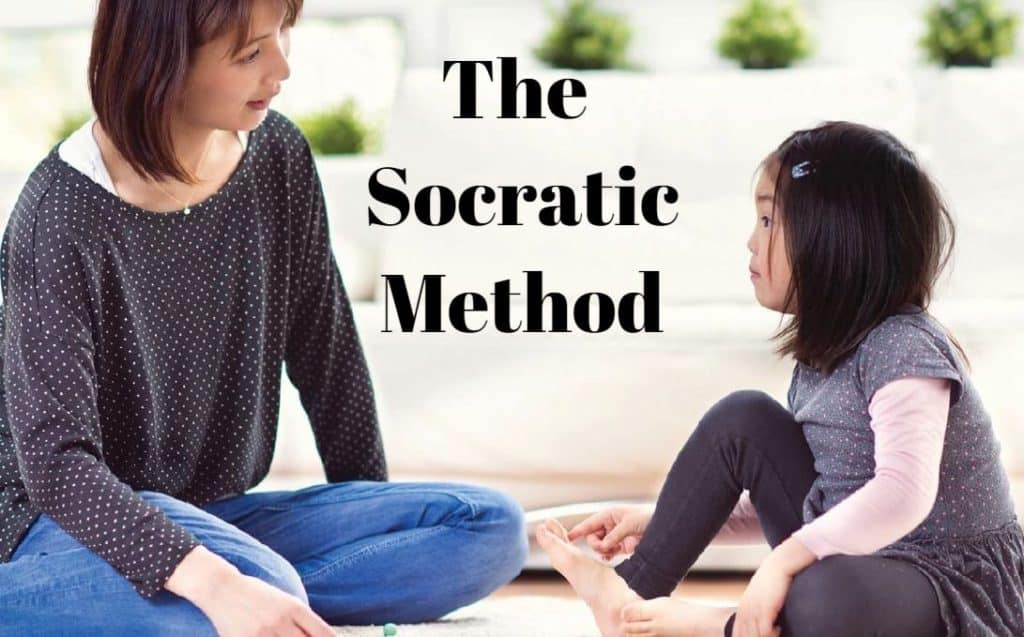
The Socratic method is a powerful tool for facilitating deep thinking, critical analysis, and meaningful discussions. It encourages individuals to question their own assumptions, explore different perspectives, and arrive at well-reasoned conclusions. While the Socratic method is often associated with intellectual inquiry, it also has a significant impact on our emotions and can help foster personal growth and development.
In Socratic dialogue, emotions play a crucial role in the learning process. Emotions are not separate from reason; they are intertwined with our thoughts and beliefs. By acknowledging and addressing emotions within the context of a Socratic discussion, we create an environment that supports empathy, understanding, and emotional intelligence.
When applying the Socratic method to physical education, it becomes an excellent tool for fostering self-awareness and self-reflection. By encouraging students to critically analyze their own movement patterns or strategies in sports activities, teachers can guide them towards identifying areas for improvement. This process not only enhances physical skills but also helps students develop problem-solving abilities applicable to other aspects of their lives.
Integrating technology into Socratic discussions brings numerous benefits. Online platforms or video conferencing tools can broaden participation by allowing remote learners or those who may be hesitant to speak up in traditional classroom settings to contribute their thoughts more comfortably. Additionally, multimedia resources such as videos or interactive simulations can enrich the learning experience by providing visual aids or real-world examples for discussion.
Artistic expression often involves subjective interpretations where there might not be right or wrong answers. Incorporating Socratic questioning techniques into art education allows students to explore different perspectives while developing critical thinking skills specific to artistic creation. Teachers can encourage open-ended questions like “What message do you think this artwork conveys?” or “How does this piece make you feel?”, which spark thoughtful discussions around creativity and aesthetics.
Alternative schooling environments offer unique opportunities for exploring ethical dilemmas through the lens of the Socratic method. By encouraging students’ engagement with complex, real-world issues, instructors can prompt critical thinking, moral reasoning, and empathy. These discussions help students understand the implications of their choices and actions while fostering a sense of responsibility towards themselves and their communities.
The Socratic method can also be adapted to teach practical life skills by posing thought-provoking questions related to everyday situations. For example, asking students how they would handle conflict resolution or make decisions about personal finance encourages them to consider different options and consequences critically. By engaging in these discussions, learners develop valuable problem-solving skills that are directly applicable to their lives outside the classroom.
While the Socratic method has proven effective across various educational settings, it may have limitations when applied in special education classrooms. Students with learning disabilities or cognitive challenges may struggle with abstract thinking or require additional support to participate fully in Socratic dialogues. Teachers must adapt strategies such as using visual aids or providing extra time for reflection to ensure inclusivity and equal opportunities for all learners.
Cultural diversity within alternative schools enriches Socratic discussions by bringing together individuals from diverse backgrounds and experiences. This diversity fosters a range of perspectives that challenge assumptions and promote cultural understanding. In this context, educators should create an inclusive environment where every voice is valued equally and encourage open-mindedness among students.
Incorporating mindfulness practices into the Socratic method enhances self-awareness, emotional regulation, and attentional focus during discussions. Beginning each session with a brief mindfulness exercise helps participants cultivate presence in the moment while setting a positive tone for respectful dialogue. Mindfulness enables individuals to engage more deeply with their own thoughts and emotions as well as those expressed by others.
Teaching environmental awareness and sustainability through the Socratic method promotes critical thinking about ecological issues facing our planet today. By exploring questions like “What are some possible solutions to reduce plastic waste?” or “How do our daily actions impact climate change?”, students develop an understanding of environmental ethics while becoming advocates for positive change.
Incorporating the principles of the Socratic method into physical science education encourages scientific inquiry, curiosity, and critical analysis. By posing open-ended questions like “What might happen if we alter this variable?” or “Why do you think this phenomenon occurs?”, educators guide students towards developing hypotheses and engaging in evidence-based reasoning. This approach helps learners grasp complex scientific concepts more deeply while fostering a genuine passion for discovery.
Gender dynamics within Socratic dialogues can significantly impact participation and equal opportunities for all participants. Educators must be aware of potential gender biases and ensure that every voice is heard, regardless of gender identity. Creating an inclusive environment that values diverse perspectives fosters a safe space where individuals feel comfortable expressing their thoughts openly.
Peer-to-peer learning plays a vital role in a Socratic classroom setting. Encouraging students to actively listen to each other’s ideas, challenge assumptions respectfully, and build upon one another’s contributions strengthens collaborative skills and expands collective knowledge. Peer-led discussions promote active engagement among students while nurturing empathy, understanding, and mutual respect.
When adapting the Socratic method for teaching history or social studies, teachers can use primary sources or historical documents as starting points for discussions. By asking thought-provoking questions about historical events or societal issues such as civil rights movements or geopolitical conflicts, instructors encourage critical thinking about past actions’ implications on current society.
Fostering critical thinking skills from an early age is crucial for children’s intellectual development. Applying the Socratic method in early childhood education provides young learners with opportunities to explore their thoughts freely through open-ended questions like “Why do you think this happened?” or “How would you solve this problem?”. These discussions cultivate curiosity, creativity, logical reasoning abilities in children while promoting respectful dialogue.
Addressing power dynamics within a Socratic classroom is essential to creating an equitable learning environment where all voices are valued equally. Teachers should facilitate discussions by ensuring that dominant personalities do not monopolize the conversation and by actively encouraging quieter individuals to contribute. By managing power dynamics, educators create a space where diverse perspectives can be heard and respected.
Incorporating elements of play and imagination into the Socratic method enhances creativity, critical thinking, and problem-solving abilities. Teachers can introduce scenarios or hypothetical situations that require imaginative thinking, such as “What if you could travel back in time? How would history change?” or “Imagine you have unlimited resources. How would you solve global poverty?”. These activities stimulate creative thought while fostering a sense of wonder and curiosity.
Literature and storytelling are powerful tools for engaging learners in Socratic dialogues. Using literary works as prompts for discussions encourages students to explore themes, character motivations, or societal issues presented within the texts. By posing questions about moral dilemmas or personal growth experienced by characters, educators foster critical analysis skills while nurturing empathy and understanding.
Foreign language instruction benefits greatly from applying the principles of the Socratic method. Engaging students in meaningful conversations using open-ended questions helps develop their linguistic skills while deepening cultural understanding. Discussing topics related to arts, traditions, or social issues in target languages encourages learners to think critically while expanding their vocabulary repertoire.
When designing an alternative schooling curriculum based on the Socratic method, it is crucial to consider different models of assessment that align with its principles. Traditional exams may not adequately measure critical thinking skills or depth of understanding fostered through dialogue-based learning approaches. Instead, performance assessments like presentations or portfolios offer more accurate reflections of students’ abilities to reason logically and articulate their thoughts effectively.
In conclusion, the versatility of the Socratic method allows its application across various educational contexts. From fostering emotional intelligence to exploring ethical dilemmas or promoting critical thinking skills, this approach has numerous benefits for both teachers and learners alike. By adapting strategies according to specific subject areas or student needs, educators can harness the power of dialogue-based learning methods to create engaging, inclusive, and transformative educational experiences.
 Alternative Amie
Leave a comment