Natural Learning Environments: Nurturing Education Beyond the Classroom
In recent years, there has been a growing interest in alternative schooling and education methods that go beyond traditional classroom settings. One such approach is natural learning, which emphasizes the importance of immersing children in their natural environment to foster curiosity, creativity, and a love for learning. Natural learning environments provide unique opportunities for children to explore, discover, and make connections with the world around them. In this article, we will delve into what makes these environments so special and how they can benefit children’s overall development.
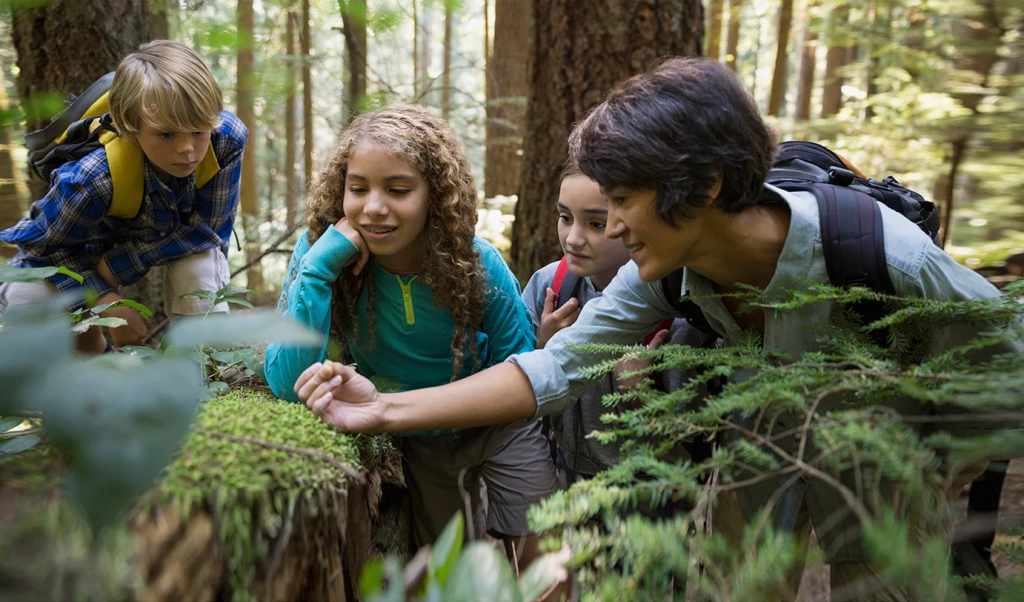
Unlike conventional classrooms with fixed desks and structured curricula, natural learning environments focus on hands-on experiences in nature. This could mean anything from outdoor excursions to local parks or forests to incorporating elements of the natural world within school grounds. The key is to create an atmosphere where children can engage with their surroundings freely while being guided by educators who act as facilitators rather than instructors.
One of the primary benefits of natural learning environments is that they promote holistic development among students. By engaging directly with nature, children are encouraged to use all their senses—seeing vibrant colors, hearing bird songs, feeling different textures—to better understand the world around them. These multisensory experiences stimulate cognitive growth and enhance critical thinking skills.
Moreover, natural learning environments support physical well-being by encouraging regular movement and exercise outdoors. Children have ample space to run freely or engage in activities like climbing trees or building forts using branches and leaves. Such physical play not only promotes gross motor skills but also instills an appreciation for an active lifestyle from an early age.
Another advantage of these environments lies in their ability to foster social-emotional development among learners. Natural settings provide numerous opportunities for collaborative play and problem-solving activities where children learn essential life skills such as communication, teamwork, empathy, patience, and resilience.
Furthermore, exposure to nature has been linked to improved mental health outcomes in both children and adults. Spending time outdoors reduces stress, anxiety, and attention fatigue while enhancing overall well-being. Natural learning environments provide a safe space for children to connect with nature and find solace amidst the pressures of modern-day life.
Critics may argue that natural learning environments lack structure or fail to adequately prepare children for standardized testing and academic achievement. However, proponents of this approach emphasize that natural learning is not about disregarding core subjects but rather integrating them into real-life contexts. For instance, math can be taught through counting leaves or measuring distances on nature walks, while science concepts can be explored by observing plant growth or studying animal behavior.
In conclusion, natural learning environments offer a refreshing perspective on education that goes beyond the confines of traditional classrooms. By immersing children in nature and allowing them to explore their surroundings freely, these environments foster curiosity, creativity, physical well-being, social-emotional development, and overall mental health. While they may require adaptations to meet certain academic standards occasionally, the benefits gained from such experiences are invaluable in shaping well-rounded individuals who appreciate and respect the world around them. As we continue to seek alternative approaches to education in an ever-changing world, natural learning environments undoubtedly have an important role to play in nurturing lifelong learners.
 Alternative Amie
Leave a comment