Service-Learning: A Transformative Approach to Education
In recent years, there has been a shift in the field of education towards more experiential and hands-on learning approaches. One such approach gaining popularity is service-learning. Service-learning combines community service activities with classroom instruction, creating a powerful educational experience for students that fosters personal growth, civic responsibility, and academic achievement. In this article, we will explore the concept of service-learning and its benefits in alternative schooling and education.
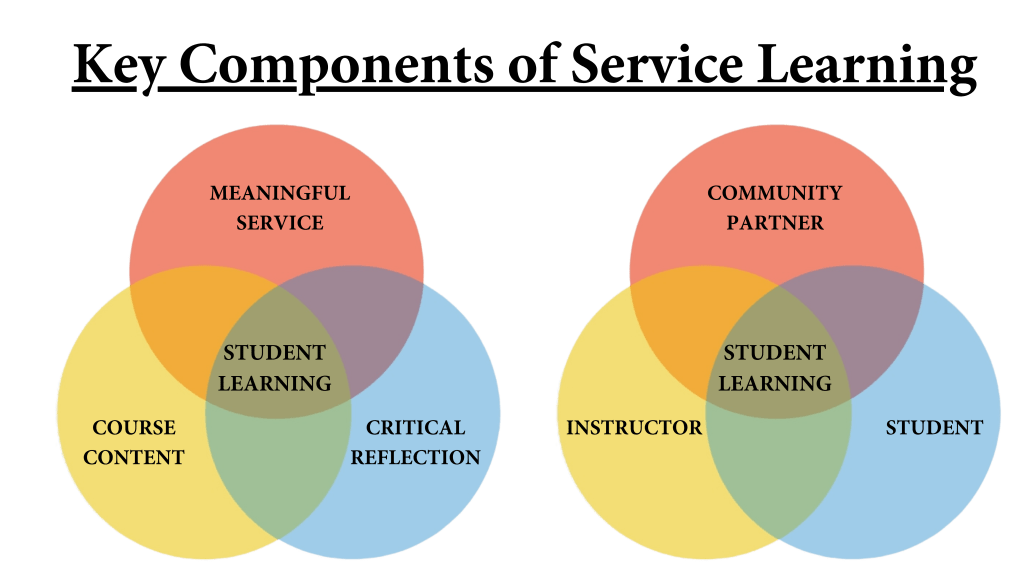
At its core, service-learning involves students actively engaging in meaningful community service projects that are directly related to their curriculum or academic goals. Unlike traditional volunteer work or community service initiatives where students simply contribute their time without much connection to their coursework, service-learning integrates reflection activities into the experience. These reflection activities enable students to connect what they have learned in class with real-world applications through critical thinking and analysis.
One key aspect of service-learning is the reciprocal nature of the relationship between students and the community they serve. Students not only provide valuable assistance to organizations or individuals in need but also gain a deeper understanding of societal issues and develop empathy towards others. By working closely with community partners, students learn about diverse perspectives and gain insights into social challenges faced by different populations.
The benefits of service-learning extend beyond just academic achievements as it helps shape well-rounded individuals who are socially responsible citizens. Through active participation in meaningful projects, students develop essential life skills such as teamwork, problem-solving abilities, communication skills, leadership qualities, and an increased sense of self-efficacy. These skills are highly valued by employers and can give students a competitive edge when entering college or joining the workforce.
Furthermore, research shows that engagement in service-learning positively impacts student motivation levels leading to improved attendance rates and decreased dropout rates compared to traditional classroom settings. Students find purpose through making a difference in their communities which enhances their overall commitment towards learning.
Alternative schooling environments often embrace innovative approaches like service-learning due to their focus on personalized and student-centered education. Service-learning aligns with the principles of alternative schooling by providing students with opportunities for self-directed learning, authentic experiences, and connections to real-world issues. It allows students to explore their interests, passions, and potential career paths while actively contributing to society.
Service-learning also promotes social justice and equity in education by bridging gaps between classroom learning and community needs. It allows students from diverse backgrounds to engage in experiential learning that can help break down barriers and foster understanding among different groups of people.
In conclusion, service-learning is a transformative approach that brings together classroom instruction and community service activities to create meaningful educational experiences for students. This approach not only enhances academic achievement but also cultivates personal growth, civic responsibility, and essential life skills. In alternative schooling environments where innovative approaches are valued, service-learning provides a powerful tool for engaging learners in active participation within their communities while fostering a sense of purpose in their education journey.
 Alternative Amie
Leave a comment