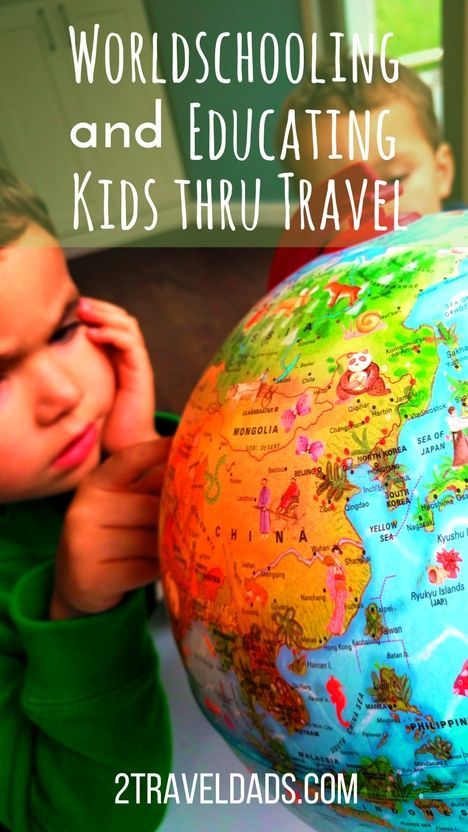
Worldschooling: Exploring the Boundless Horizons of Education
Introduction:
Education is a lifelong journey, and traditional school systems often fail to accommodate the diverse needs and aspirations of every student. As a result, alternative forms of education have gained popularity over the years. One such approach is worldschooling, which offers a unique way for children to learn by immersing themselves in different cultures, languages, and environments around the world. In this article, we will delve into the concept of worldschooling, its benefits and challenges, and how it can shape children into well-rounded global citizens.
What is Worldschooling?
Worldschooling can be defined as an educational philosophy that combines travel with learning. Instead of confining education to a classroom or prescribed curriculum, worldschoolers believe that true knowledge comes from experiencing different cultures firsthand. It provides an opportunity for families to embrace travel as an integral part of their child’s education.
The Journey Begins: Planning for Worldschooling
Before embarking on a worldschooling adventure, careful planning is essential. Families must consider factors such as destinations, budget constraints, accommodation options abroad, visa requirements, healthcare access in foreign countries, legalities related to homeschool laws (if applicable), socialization opportunities for children on the road – all while ensuring their child receives quality education.
Curriculum Flexibility: Embracing Unconventional Learning Approaches
One key aspect that sets worldschooling apart from traditional schooling is its flexibility in terms of curriculum design. Unlike conventional schools where students follow predetermined syllabi and textbooks dictated by authorities or institutions; worldschoolers have greater freedom in selecting what they want to learn based on their interests.
This approach allows parents or guardians to tailor their child’s education according to their passions and strengths — be it history lessons at ancient ruins in Greece or wildlife conservation projects in South Africa. The goal is not solely focused on academic achievements but rather nurturing curiosity, critical thinking skills, adaptability, and creativity.
Learning Beyond Borders: The Benefits of Worldschooling
1. Cultural Immersion:
Worldschooling offers a unique opportunity for children to become immersed in various cultures and languages. By living among locals, they gain firsthand experience of diverse customs, traditions, and perspectives. This exposure fosters empathy, cultural sensitivity, and global awareness – qualities increasingly vital in our interconnected world.
2. Experiential Learning:
Traditional schooling often limits learning to textbooks and classrooms. In contrast, worldschooling encourages experiential learning that transcends theoretical knowledge by engaging all the senses. Whether it’s exploring historical sites or volunteering at local organizations abroad, children develop a deeper understanding of the subject matter through direct experiences.
3. Enhanced Social Skills:
Worldschoolers are constantly exposed to new environments with different social dynamics. Interacting with people from diverse backgrounds helps them cultivate strong communication skills while developing an appreciation for diversity and inclusivity.
4. Independence & Adaptability:
Worldschooling requires children to navigate unfamiliar territories independently alongside their families. This fosters self-reliance as they learn how to solve problems effectively while adapting to changing circumstances – crucial life skills that go beyond academic achievements.
5. Global Perspective:
By witnessing firsthand the challenges faced by communities around the globe — such as poverty or environmental degradation — worldschoolers develop a genuine concern for social justice issues on a global scale. They grow up believing that everyone has a role in making the world a better place.
Challenges of Worldschooling:
While worldschooling provides numerous benefits, it is not without its challenges:
1. Financial Constraints:
Travel costs can be prohibitive for many families considering worldschooling as an educational approach; therefore careful budget planning is essential before embarking on this journey.
2.Lack of Stability:
Frequent travel can lead to instability in terms of routines and friendships for children who crave stability and a sense of belonging. It requires families to adapt to constant change, which may not suit everyone.
3. Socialization Concerns:
Worldschoolers often face concerns regarding socialization opportunities for their children on the road. However, by actively seeking out local communities, engaging in activities or joining homeschooling networks abroad, children can connect with peers from various backgrounds.
4. Educational Gaps:
Parents or guardians must strive to ensure that their child’s education covers essential subjects and skills necessary for higher education or future careers. This might require additional effort in finding resources, tutors, or online courses to supplement learning.
Conclusion:
Worldschooling offers an alternative path towards education that fosters global citizenship and holistic development among children. By embracing diverse cultures and experiential learning opportunities worldwide, it creates lifelong learners who genuinely appreciate the interconnectedness of our world while becoming advocates for positive change. While challenges exist within this unconventional approach, they can be overcome through careful planning and dedicated efforts from parents or guardians who prioritize their child’s education as a transformative journey beyond borders.
 Alternative Amie
Leave a comment