Active Learning: Embracing a Dynamic Approach to Education
In the traditional classroom setting, students are often seen as passive recipients of knowledge, sitting quietly in rows of desks while the teacher imparts information. However, educational research has shown that this model is not always effective in promoting deep understanding and long-term retention of concepts. As a response to this realization, active learning has emerged as an alternative approach that seeks to actively engage learners in the process of acquiring knowledge.
Active learning is an umbrella term for various instructional methods that encourage students to participate actively in their own learning experience. It encompasses a range of strategies such as group work, problem-solving activities, hands-on experiments, debates, and simulations – all designed to foster critical thinking skills and enhance student engagement.
One key principle underlying active learning is the idea that students learn best by doing rather than simply observing or listening passively. By encouraging students to take an active role in their education through meaningful interactions and experiences, active learning shifts the focus from rote memorization towards deeper understanding and application of knowledge.
A notable feature of active learning is its emphasis on collaboration among students. Group work provides opportunities for peer-to-peer interaction where learners can exchange ideas, challenge assumptions, and construct new understandings collectively. This social aspect enhances communication skills while nurturing empathy and respect for diverse perspectives.
Moreover, collaborative activities promote teamwork and cooperation – essential skills needed not only in academic settings but also in future careers where interdisciplinary collaboration is increasingly valued. Through working collaboratively with others from different backgrounds or viewpoints, students develop valuable interpersonal skills such as negotiation, compromise, leadership abilities, and effective communication techniques.
Another hallmark of active learning is its focus on experiential-based approaches. Hands-on experiments allow students to manipulate materials or objects directly related to what they are studying. These experiences create vivid connections between theory and practice while enabling learners to test hypotheses firsthand — fostering curiosity-driven inquiry instead of relying solely on textbook knowledge.
For instance, in a science class, students might conduct experiments to observe how different variables affect plant growth. By actively engaging in the experiment, they not only gain a deeper understanding of the scientific method but also develop critical thinking skills as they analyze and interpret the data collected.
Active learning also promotes problem-solving skills by presenting learners with real-world challenges that require them to think critically and creatively. This approach encourages learners to apply their knowledge in new contexts and find innovative solutions. Problem-based learning (PBL) is one such active learning method where students work collaboratively to solve complex, open-ended problems rooted in authentic situations.
In a PBL scenario, students are given a problem or project that reflects real-life issues. They must then engage in research, analysis, and critical thinking to propose viable solutions or strategies. Through this process, they develop analytical abilities while honing their communication and presentation skills – essential competencies for success both within academia and beyond.
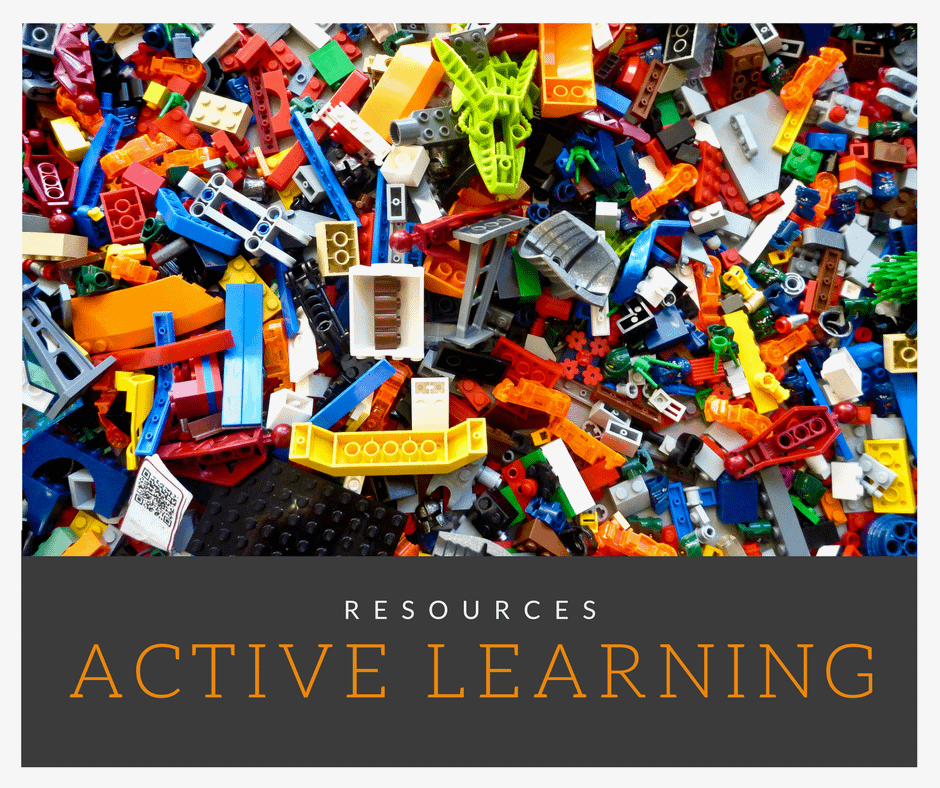
Active learning is not confined to specific subjects or grade levels; it can be adapted across various disciplines and educational stages. For example, young children might engage in hands-on activities like building blocks or playing with manipulatives to solidify basic math concepts. Older students may participate in debate clubs or undertake community service projects that allow them to apply theoretical knowledge acquired during classroom sessions.
While active learning offers numerous benefits for student engagement and skill development, its implementation requires careful planning by educators. Teachers must design experiences that align with curriculum goals while providing appropriate scaffolding for learner success. Additionally, instructors need to create an inclusive classroom environment where all voices are valued and respected – fostering an atmosphere conducive to collaboration among diverse groups of students.
Critics argue that active learning may not always be feasible due to logistical constraints or large class sizes common in many schools today. However, proponents believe that even small changes towards more interactive teaching methods can yield positive results. Incorporating elements of active learning into lessons, such as brief discussions or question-and-answer sessions, can still promote student engagement and critical thinking.
In conclusion, active learning offers a dynamic approach to education that empowers students to become active participants in their own learning journey. By encouraging collaboration, hands-on experiences, problem-solving activities, and critical thinking skills, active learning equips learners with the necessary tools for success both inside and outside the classroom. As educators continue to explore innovative ways of engaging students in meaningful learning experiences, embracing active learning is an important step towards creating a more student-centered educational system that fosters lifelong curiosity and a love for learning.
 Alternative Amie
Leave a comment