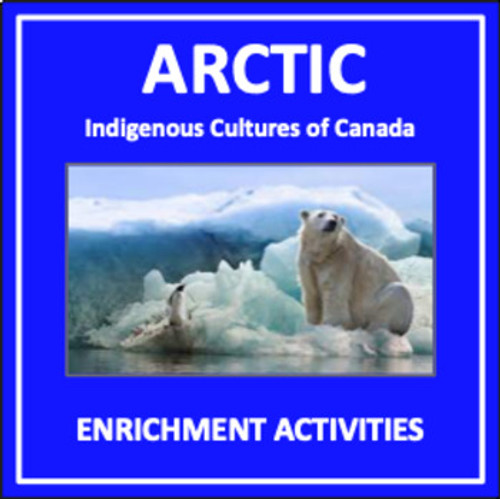
The Arctic region, encompassing the northernmost parts of the Earth, is a unique and fascinating place. It holds great importance not only in terms of its natural beauty but also for its ecological significance and cultural heritage. In recent years, there has been an increasing interest in educating children about this remote and fragile environment. Alternative schooling and education methods have proven to be effective approaches to engage young minds with Arctic regions, fostering a deep sense of connection and understanding.
One of the key benefits of alternative schooling is its ability to provide experiential learning opportunities. Traditional classroom settings often struggle to convey the vastness and complexity of the Arctic. However, through alternative methods such as immersive field trips or nature-based programs, students can directly experience the wonders of this pristine ecosystem.
For instance, organizations like Polar Bears International organize student expeditions to Churchill, Manitoba in Canada – known as the “Polar Bear Capital of the World.” These trips allow students to witness polar bears in their natural habitat while also learning about climate change and conservation efforts firsthand from scientists and researchers working on-site. Such experiences create lasting memories that inspire children towards environmental stewardship.
In addition to experiential learning, alternative schooling methods emphasize interdisciplinary education. The Arctic serves as an excellent platform for integrating various subjects into one cohesive curriculum. By combining science with geography, history with indigenous cultures, language arts with ecology – educators can paint a holistic picture that fosters a comprehensive understanding among students.
Furthermore, engaging with local communities plays a vital role in alternative education about Arctic regions. Indigenous peoples have inhabited these areas for thousands of years and possess invaluable knowledge about survival techniques in extreme conditions while maintaining sustainable relationships with nature. Collaborating with indigenous leaders helps bridge gaps between traditional knowledge systems and modern educational frameworks.
By incorporating storytelling sessions led by community elders or inviting guest speakers from indigenous backgrounds into classrooms or virtual sessions, students gain insights into cultural practices like dog sledding or ice fishing. Such immersive experiences not only enhance cultural awareness but also provide a deeper understanding of the interconnectedness between humans and their environment.
Technology has also opened up new avenues for alternative education about Arctic regions. Virtual reality (VR) and augmented reality (AR) tools allow students to explore the Arctic even if they cannot physically visit these remote locations. Through VR headsets or AR apps, students can take virtual field trips to ice caves, interact with wildlife, or witness the mesmerizing Northern Lights – all from the comfort of their classrooms.
Moreover, online platforms like National Geographic Kids or Arctic World offer interactive games, videos, quizzes, and articles specifically designed for young learners. These resources help children develop a sense of curiosity while providing accurate information about Arctic animals, climate change impacts on the region, and conservation initiatives taken by various organizations.
In recent years, there has been a growing recognition that traditional schooling methods often fail to meet the diverse needs of students. Alternative education approaches offer flexible learning environments where individual interests and passions can flourish. In this context, incorporating lessons about Arctic regions into alternative schooling curricula is an opportunity to engage children in critical thinking and problem-solving activities related to environmental challenges.
Projects such as designing sustainable housing solutions for Arctic communities or creating awareness campaigns about melting sea ice are just a few examples of how alternative education can empower young minds to become active agents in preserving this fragile ecosystem.
In conclusion, alternative schooling and education methods provide unique opportunities for children to connect with Arctic regions on multiple levels: experientially through field trips or nature-based programs; academically through interdisciplinary studies; culturally through engagement with indigenous communities; technologically through virtual reality tools; and creatively through project-based learning initiatives. By embracing these innovative approaches alongside traditional teaching methods, we can inspire future generations to appreciate the beauty of the Arctic while advocating for its protection against ongoing environmental threats.
 Alternative Amie
Leave a comment