In today’s fast-paced and competitive world, parents and educators often find themselves caught up in the race to provide children with every advantage possible. We live in a society that places a high value on achievement and success, which can sometimes overshadow the importance of trust in children’s innate abilities to learn.
Trust is an essential foundation for learning. It empowers children to explore, experiment, take risks, and ultimately develop their own unique set of skills and knowledge. When we trust in children’s innate abilities to learn, we create an environment that fosters independence, creativity, critical thinking, problem-solving skills, resilience, and self-motivation.
One aspect of trusting in children’s innate abilities to learn involves recognizing that each child has their own unique learning style. Traditional education systems often focus on standardized testing and conformity rather than embracing individual differences. Alternative schooling approaches aim to break free from this mold by acknowledging that not all children learn at the same pace or through the same methods.
By allowing children the freedom to choose how they want to learn and encouraging them to pursue their interests and passions, alternative schools offer a more personalized approach to education. This approach recognizes that when children are motivated by genuine curiosity and interest in a subject matter, they become active participants in their learning journey.
Another important aspect of trusting in children’s innate abilities is giving them autonomy over their education. Allowing students more control over what they study allows them to take ownership of their learning process. This sense of ownership helps foster intrinsic motivation as students feel empowered when they have control over what they are learning.
Alternative schools often incorporate student-led initiatives where students have the opportunity to design projects based on their interests or work collaboratively with others who share similar passions. By granting students agency over their education path while providing guidance along the way instead of dictating every step they should take; alternative schools promote self-directed learning.
Trusting in children’s innate abilities also means reframing mistakes and failures as valuable learning opportunities rather than negative outcomes. In traditional schooling systems, mistakes are often seen as signs of failure or incompetence. This mindset can lead to fear of making mistakes and discourage children from taking risks.
Alternative schools create a safe and supportive environment that encourages experimentation and embraces the idea that making mistakes is an essential part of the learning process. By reframing failures as stepping stones towards growth and improvement, children develop resilience, perseverance, and problem-solving skills.
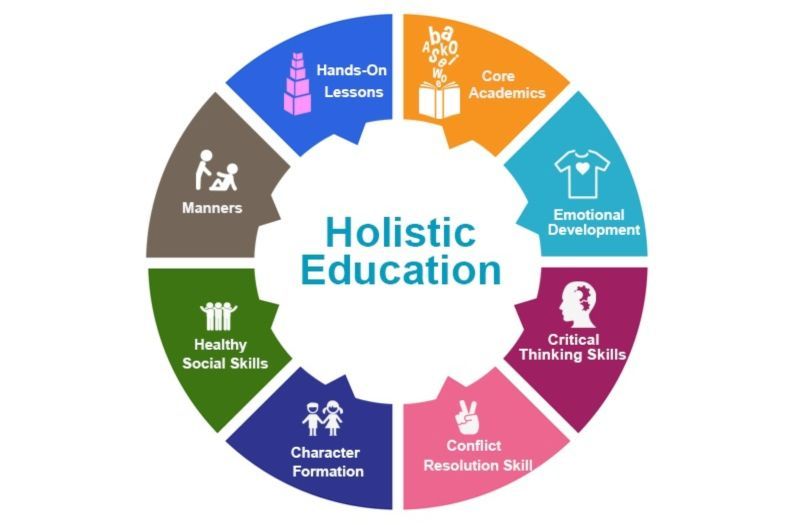
Furthermore, alternative schools focus on holistic education rather than solely emphasizing academic achievements. They recognize that children’s innate abilities extend beyond textbook knowledge. Arts, sports, music, drama, outdoor activities – all play a vital role in nurturing well-rounded individuals.
By providing a diverse range of experiences and opportunities for exploration outside the traditional classroom setting; alternative schools help children discover their passions while developing important life skills such as teamwork, communication, creativity, adaptability along with emotional intelligence.
In conclusion, trust in children’s innate abilities to learn lies at the core of alternative schooling approaches. It involves recognizing individual differences in learning styles while granting students autonomy over their education path. Embracing mistakes as learning opportunities and fostering a holistic approach to education further strengthen this trust.
Children are naturally curious beings who possess an incredible capacity for growth when given the freedom to explore their interests in a supportive environment. Trusting in their innate abilities allows them to become active participants in their own learning journey – paving the way for lifelong curiosity and love for acquiring knowledge.
 Alternative Amie
Leave a comment