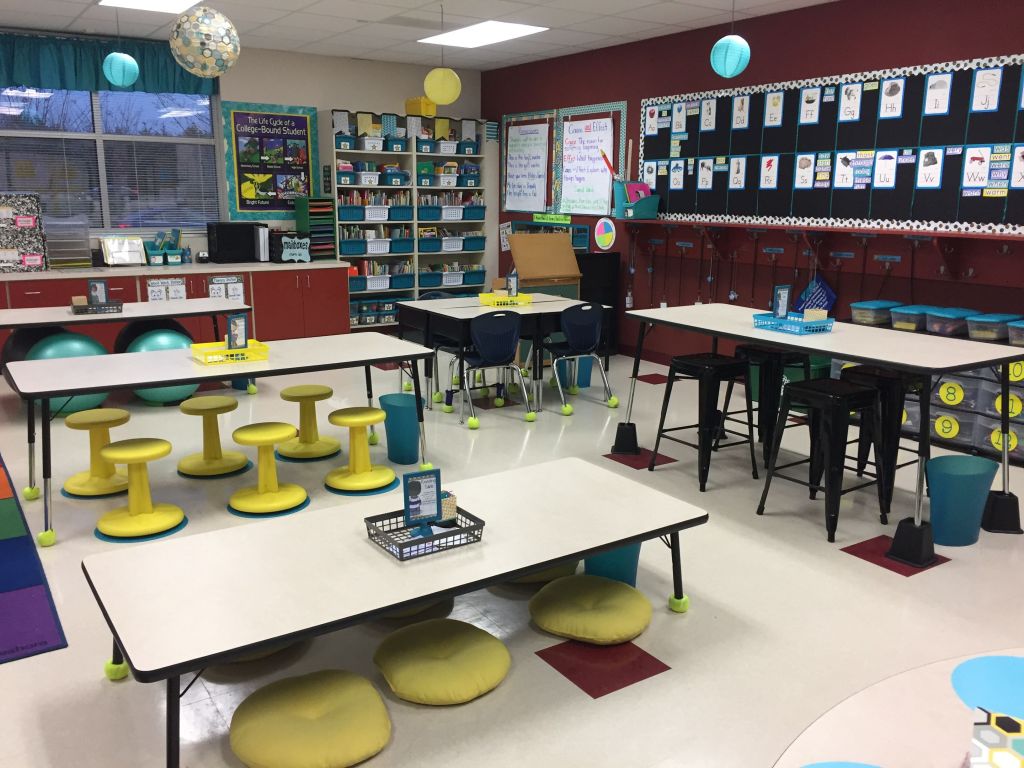
Organizing and managing flexible seating areas in schools can greatly enhance the learning environment and promote student engagement. Here are some tips to help you create an effective flexible seating area.
First, consider the layout of your classroom. Arrange desks, tables, cushions, and other seating options in a way that allows for easy movement and collaboration. Create different zones with varying types of seating to cater to different learning styles. For instance, have a cozy corner with bean bags or floor cushions for quiet reading or independent work, while also having larger tables for group projects.
Next, establish clear expectations and guidelines for using the flexible seating area. Teach students how to choose appropriate seats based on their needs and the task at hand. Encourage them to take turns using popular seating options so everyone gets a chance to try different spots.
To keep things organized, assign each seat or zone a number or name tag. This helps students remember where they should be sitting during specific activities or lessons.
Regularly assess how well the flexible seating arrangement is working by observing student behavior and asking for feedback from both students and teachers. Make adjustments as needed based on these observations.
Lastly, teach students about responsibility by involving them in maintaining the cleanliness of the flexible seating area. Implement a system where they are responsible for tidying up after themselves before leaving their seats.
By implementing these strategies, you can create an organized and productive environment that promotes active learning through flexible seating arrangements in your school setting.
 Alternative Amie
Leave a comment