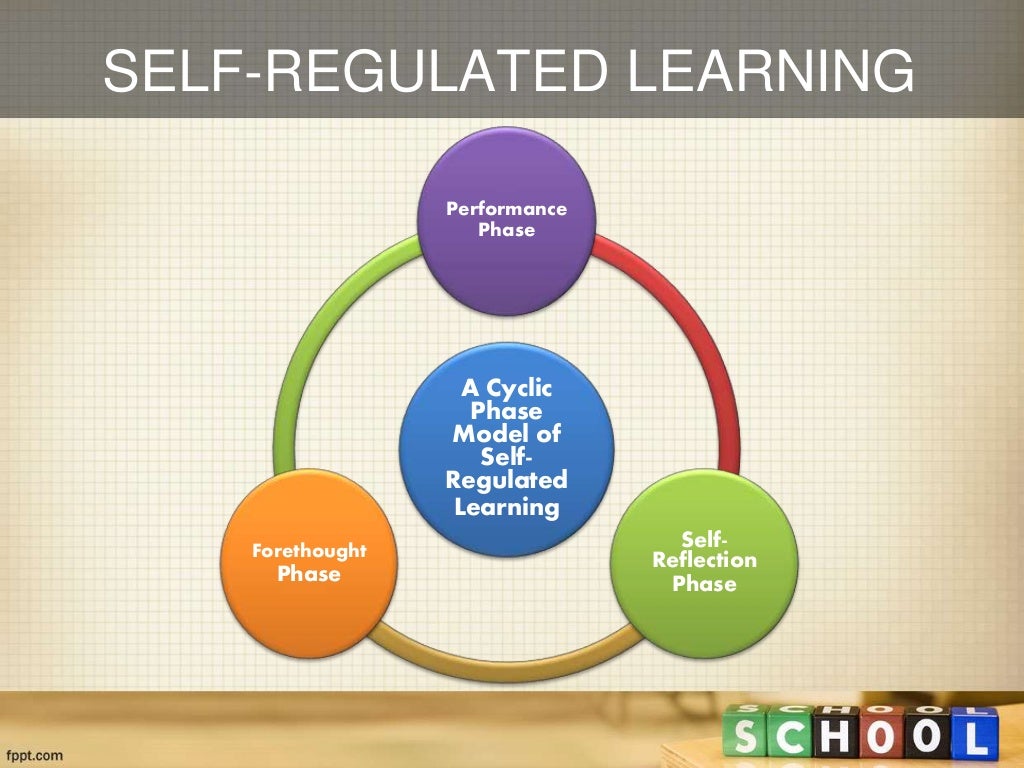
Self-regulated learning techniques are essential for alternative education students to succeed in their academic journey. Unlike traditional schooling, alternative education provides a unique and personalized approach to learning, catering to individual needs, interests, and circumstances. In such an environment, self-regulated learning plays a crucial role in empowering students to take ownership of their education and achieve their goals.
What is Self-Regulated Learning?
Self-regulated learning (SRL) refers to the ability of individuals to set goals, monitor their progress, and adjust their strategies accordingly. It involves taking control of one’s own learning process by actively engaging with the material, managing time effectively, seeking feedback from teachers or peers, reflecting on one’s performance, and adapting study methods as needed.
SRL empowers students by fostering autonomy and independence in their educational journey. By developing self-awareness about their strengths and weaknesses as learners, alternative education students can tailor their approaches to maximize their potential.
Why is SRL Important for Alternative Education Students?
Alternative education often attracts students who may have experienced challenges or difficulties within the traditional school system. These challenges could include academic struggles due to specific learning styles or conditions such as ADHD or dyslexia; social-emotional issues that hindered engagement in classroom settings; personal circumstances like health concerns or family responsibilities; or simply a desire for a more flexible and individualized approach to education.
In these cases, self-regulated learning techniques become even more critical as they offer alternative education students the tools they need not just for academic success but also for personal growth and development. SRL allows them to overcome obstacles while building resilience and enhancing important life skills that extend beyond the classroom.
Effective Self-Regulated Learning Techniques
1. Goal Setting: Encourage alternative education students to set both short-term and long-term goals related to academics, personal growth objectives, project completion timelines – anything that motivates them. Clearly defined goals provide direction and focus throughout the learning process.
2. Planning and Organization: Teach students how to effectively manage their time, break down tasks into manageable chunks, create schedules or to-do lists, and prioritize assignments. This helps them develop a sense of control over their workload while avoiding procrastination.
3. Metacognition: Encourage students to think about their thinking – metacognition is an essential aspect of self-regulated learning. By reflecting on their learning strategies, alternative education students can identify what works best for them and make adjustments accordingly. They should be encouraged to ask themselves questions such as “What did I learn from this task?” or “How could I approach this differently next time?”
4. Self-Monitoring: Students need to be able to monitor their progress regularly. This involves tracking completed assignments, noting areas of improvement or difficulty, and seeking feedback from teachers or peers when necessary. Alternative education students can keep journals or use digital tools that allow for easy monitoring and reflection.
5. Adaptability: Flexibility is key in alternative education settings where personalized approaches are emphasized. Students should be encouraged to adapt their learning strategies based on feedback received, changing circumstances, or new insights gained through self-reflection.
6. Motivation and Engagement: Help students find intrinsic motivation by connecting the material they are studying with real-life applications or personal interests. Encourage active participation through discussions, hands-on activities, project-based learning opportunities, and exposure to diverse perspectives.
7. Support Systems: Foster a supportive environment where alternative education students feel comfortable seeking help when needed – whether from teachers, mentors, peers or online communities dedicated to alternative education.
The Role of Teachers in Facilitating SRL
Teachers play a crucial role in facilitating self-regulated learning among alternative education students:
1) Providing guidance and scaffolding techniques for goal setting,
2) Teaching study skills such as note-taking methods,
3) Offering timely feedback on performance,
4) Promoting reflective practices through regular class discussions or journals,
5) Creating a safe and inclusive classroom environment that encourages self-expression and risk-taking.
By employing these strategies, teachers can empower students to take ownership of their learning process and develop lifelong skills for success.
Conclusion
Self-regulated learning techniques are essential for alternative education students to thrive academically, personally, and professionally. By promoting autonomy, reflection, adaptability, and motivation, these techniques enable students to navigate their educational journey with confidence. Teachers play a vital role in creating an environment that supports SRL development among alternative education students. By incorporating self-regulated learning into the curriculum and providing guidance along the way, educators can foster independence and empower students to achieve their full potential in alternative education settings.
 Alternative Amie
Leave a comment