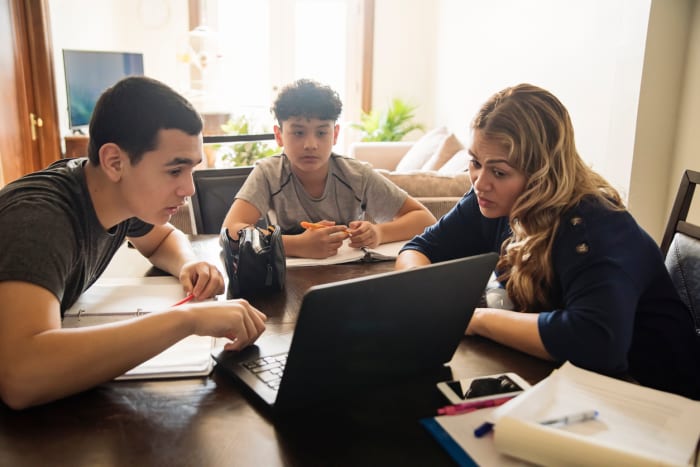
Microschooling is a growing trend in education that offers an alternative to traditional classroom settings. With small class sizes, personalized learning, and unique curriculum design, microschools provide students with a tailored educational experience.
One of the key benefits of microschools is their ability to design a curriculum that meets the specific needs and interests of their students. Unlike traditional schools that follow a predetermined set of standards and textbooks, microschools have the flexibility to create their own curriculum. This allows teachers to focus on topics that are relevant and engaging for their students, fostering a love for learning.
Small class sizes are another advantage of microschools. Research has shown that smaller class sizes lead to increased student engagement, better academic performance, and improved social-emotional development. In microschools, teachers can provide individualized attention and support to each student, ensuring they receive the guidance they need to succeed academically and emotionally.
Microschools also offer specialized programs for gifted and talented students. These programs go beyond what traditional schools can offer by providing advanced coursework and enrichment activities tailored specifically for these learners’ needs. By creating an environment where gifted students can thrive intellectually and socially, microschools help them reach their full potential.
Personalized learning is at the core of microschooling philosophy. Teachers in these schools strive to understand each student’s strengths, weaknesses, learning style, and interests. They then adapt instructional methods accordingly to meet each student’s unique needs. This approach helps foster self-directed learners who take ownership of their education.
Some microschools embrace the Montessori approach which emphasizes hands-on learning experiences with mixed-age classrooms. This method encourages independence while promoting collaboration among peers.
Microschooling also caters to children with special needs by providing individualized support services such as speech therapy or occupational therapy within the school setting itself. The small class sizes allow educators to give focused attention to these students’ unique requirements while still fostering inclusion among all learners.
Socialization challenges often arise when students are homeschooled. Microschools offer a solution to this by providing a small, tight-knit community where students can build meaningful relationships with their peers and teachers. Through group projects, collaborative learning activities, and community partnerships, microschools ensure that socialization is an integral part of the educational experience.
Project-based learning is another hallmark of microschools. Students engage in hands-on projects that integrate various subjects and allow them to apply their knowledge to real-world problems. This approach fosters critical thinking, creativity, collaboration, and problem-solving skills.
Microschooling is not limited to urban areas; it can also benefit rural communities. These schools can provide access to quality education in areas where traditional schools may be scarce or under-resourced. By leveraging technology for virtual classrooms or partnering with local organizations, microschools bridge the gap between rural students and educational opportunities.
Technology plays a significant role in microschooling as well. It enables educators to enhance instruction through online resources, interactive tools, virtual field trips, and remote guest speakers. Technology also facilitates communication between teachers and parents while allowing for personalized feedback on student progress.
In terms of teacher-student dynamics, some microschools adopt co-teaching models where multiple educators work collaboratively with a group of students. This model allows for more individualized attention and expertise across different subject areas.
Parent involvement is highly valued in microschools. Parents play an active role by participating in school decision-making processes or volunteering as classroom aides or mentors for other students. This partnership between parents and educators creates a strong support system for student success.
For introverted learners who thrive in quieter environments with fewer distractions than traditional classrooms offer, microschools provide an ideal setting that caters to their needs while still providing ample opportunities for collaboration when desired.
Microschools also emphasize community partnerships as they understand the importance of connecting education with real-life experiences outside the classroom walls. Local businesses, organizations, experts from various fields, and cultural institutions can contribute to the curriculum by providing hands-on learning experiences or serving as mentors.
Assessment methods in microschools differ from traditional schools. Instead of relying solely on standardized tests, microschools employ alternative assessment methods such as portfolios, projects, presentations, and exhibitions of student work. This allows students to demonstrate their understanding in diverse ways while encouraging creativity and critical thinking.
Microschooling is also beneficial for bilingual learners who may require additional language support. Microschools can offer specialized programs that focus on language acquisition while maintaining high academic standards in other subjects.
When comparing homeschooling and microschooling, both approaches offer flexibility and personalized instruction. However, microschools provide a structured environment where students benefit from social interaction with peers and trained educators while still enjoying individualized attention.
Starting a microschool does require financial considerations. Funding sources vary but may include tuition fees, grants, fundraising efforts, or partnerships with local businesses or organizations invested in education.
Teacher training and professional development are essential for ensuring high-quality instruction in microschools. Educators must stay up-to-date with best practices in curriculum design, instructional strategies tailored to personalization and small class sizes, technology integration techniques, and special education methodologies if applicable.
Microschools must adhere to legal requirements and regulations set by the state or country they operate within. These may include obtaining proper licensing or accreditation as well as meeting health and safety standards.
Equity issues can arise when it comes to access to microschools due to factors such as location or financial constraints. Efforts should be made to ensure that all students have equal opportunities for quality education regardless of their background or circumstances.
Social-emotional learning is prioritized in microschools through intentional practices that promote self-awareness, empathy, relationship-building skills, emotional regulation strategies, conflict resolution techniques,and mindfulness exercises fostering holistic development among students.
In conclusion,microschools provide innovative educational alternatives that prioritize personalized learning experiences through a unique curriculum design, small class sizes, and a focus on individual student needs. Whether catering to gifted students, those with special needs, or introverted learners, microschools aim to create inclusive environments that foster academic growth and social-emotional development. Through community partnerships, project-based learning, and alternative assessment methods, these schools prepare students for success in the real world while providing flexibility and choice in their educational journey.
 Alternative Amie
Leave a comment