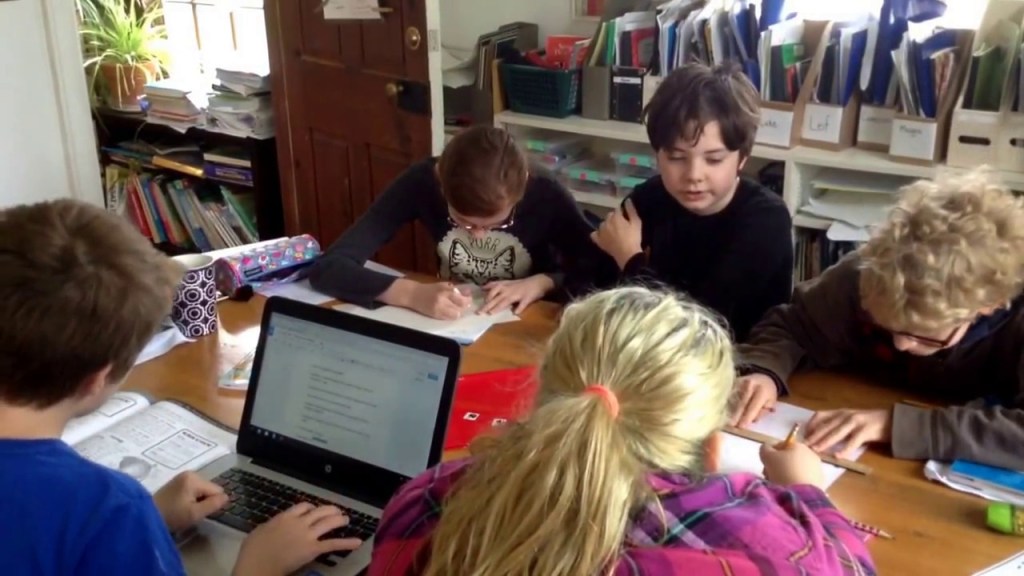
Creating a Positive Learning Environment in Multiage Classrooms
When it comes to alternative schooling and education, multiage classrooms have gained popularity for their ability to foster a positive learning environment. These classrooms consist of students from different age groups, allowing for collaborative learning and personal growth. Here are some strategies that can help create a positive learning environment in multiage classrooms.
1. Promote Collaboration: Encourage students to work together on projects and assignments. Assign group tasks that require them to share ideas and learn from one another’s strengths.
2. Individualized Instruction: Recognize that each student has unique needs and abilities. Tailor instruction accordingly by providing individualized support or enrichment activities as needed.
3. Flexible Curriculum: Embrace flexibility in the curriculum, allowing students to progress at their own pace while ensuring they meet academic standards. Incorporate hands-on activities, real-world applications, and student interests into lesson plans.
4. Peer Mentoring: Encourage older students to mentor younger ones, fostering leadership skills and creating a supportive atmosphere where knowledge is shared across age groups.
5. Respectful Communication: Teach students how to communicate effectively with peers of different ages by emphasizing active listening, empathy, and respect for diverse viewpoints.
6. Celebrate Differences: Create an inclusive classroom culture that celebrates diversity in terms of abilities, cultures, backgrounds, and personalities. Foster an environment where everyone feels valued and accepted.
7. Individual Reflection Time: Provide opportunities for self-reflection through journaling or quiet time during the day when students can process what they’ve learned independently.
8.Provide Opportunities for Autonomy: Allow students choices within the classroom such as selecting books or topics of interest during project-based learning activities; this fosters ownership over their education journey.
9.Community Involvement: Collaborate with parents/guardians or invite community members to share their expertise in various subjects or engage in service-learning projects together with the class.
10.Ongoing Assessment: Implement a variety of formative and summative assessments that align with student-centered learning. Regularly review student progress to identify areas for growth and provide timely feedback.
Creating a positive learning environment in multiage classrooms requires careful planning, flexibility, and the promotion of collaboration among students. By embracing these strategies, educators can create an inclusive and supportive atmosphere that nurtures academic growth and personal development in all learners.
 Alternative Amie
Leave a comment