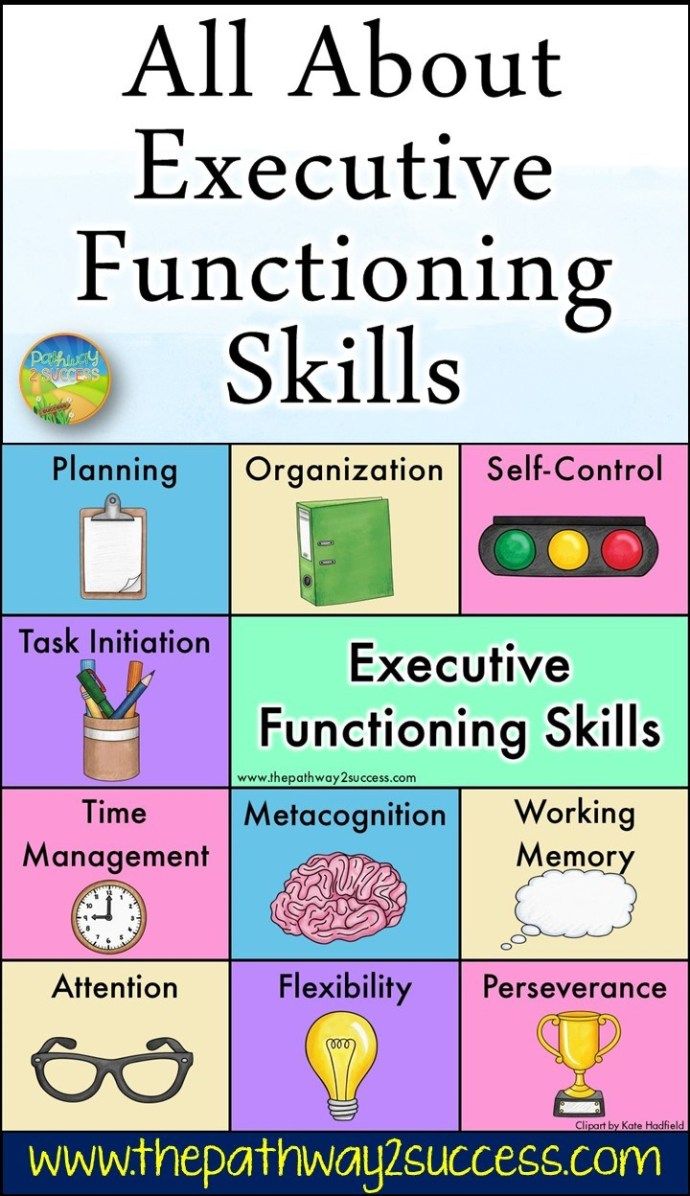
Executive functioning skills are essential for success in school and life. These cognitive processes enable individuals to plan, organize, manage time, focus attention, regulate emotions, and prioritize tasks. While some people naturally possess strong executive functioning skills, others may struggle with these abilities. The good news is that executive functioning skills can be developed and improved through practice and targeted strategies. In this article, we will explore various techniques to enhance these crucial skills.
One effective way to boost executive functioning skills is by implementing a structured daily routine. Establishing consistent wake-up times, meal schedules, study periods, and bedtime routines helps create a sense of organization and predictability in one’s day-to-day life. This structure allows individuals to better manage their time and allocate appropriate amounts of effort towards different tasks or activities.
Another important aspect of improving executive functioning skills is the ability to set goals effectively. Setting clear and attainable objectives provides individuals with direction and motivation. Encourage students to break down larger goals into smaller, more manageable steps so they can track their progress along the way.
In addition to goal-setting techniques, teaching students how to create action plans is crucial for developing executive functioning skills. Action plans outline specific steps needed to achieve a goal or complete a task successfully. By breaking down complex assignments into smaller subtasks with deadlines attached to each step, students can better manage their time while staying organized throughout the process.
To strengthen working memory – an integral component of executive functioning – incorporating memory exercises into daily routines proves beneficial. Simple activities like practicing remembering phone numbers or grocery lists without writing them down help exercise this mental muscle over time.
Furthermore, promoting self-monitoring habits aids in enhancing executive functioning abilities. Encourage students to reflect on their performance regularly by asking questions such as: “What went well?” or “What could have been done differently?” Self-reflection fosters metacognition – thinking about one’s thinking – which leads to increased self-awareness and improved decision-making skills.
Organization skills are vital for effective executive functioning. Teach students strategies to keep their physical and digital spaces tidy, such as using color-coded folders or computer files. Utilizing tools like calendars, planners, or task management apps can also assist in staying organized and on top of assignments or appointments.
Time management is another critical aspect of executive functioning. Students should learn how to estimate the time required for different tasks accurately. Encourage them to use timers or specific time blocks devoted solely to a particular activity. By practicing prioritization techniques – distinguishing between urgent and important tasks – students can allocate their time more effectively.
Another strategy that enhances executive functioning is implementing cognitive flexibility exercises. This skill allows individuals to adapt their thinking when faced with new information or unexpected changes in plans. Puzzles, brain teasers, or even trying out new hobbies encourage flexible thinking by challenging established patterns of thought.
Emotional regulation plays a significant role in executive functioning as well. Encourage students to identify their emotions and develop coping mechanisms for dealing with stress, frustration, or anxiety effectively. Techniques like deep breathing exercises, mindfulness meditation, journaling emotions, or seeking support from trusted adults can help regulate emotions during challenging situations.
Collaborative projects provide an excellent opportunity for developing teamwork and communication skills while strengthening executive functioning abilities simultaneously. Assign group tasks that require planning and coordination among team members; this will foster organization skills along with cooperative problem-solving abilities.
Building resilience is key when it comes to enhancing executive functioning skills too. Teach students the importance of perseverance and bouncing back from setbacks by reframing failures as learning opportunities rather than personal shortcomings. Promote growth mindset by emphasizing the belief that effort leads to improvement over time.
Lastly, consistently reinforcing these strategies through modeling behavior helps solidify the development of executive functioning skills in students’ lives. Teachers should exemplify these habits themselves while providing ongoing guidance and support.
Improving executive functioning skills takes time and practice. By implementing strategies like establishing a structured routine, goal-setting, action planning, memory exercises, self-monitoring, organization techniques, time management skills, cognitive flexibility exercises, emotional regulation practices, collaborative projects, building resilience, and modeling behavior – students will be well-equipped to navigate challenges and succeed academically and beyond.
 Alternative Amie
Leave a comment