Using Narratives to Assess Cultural Competence
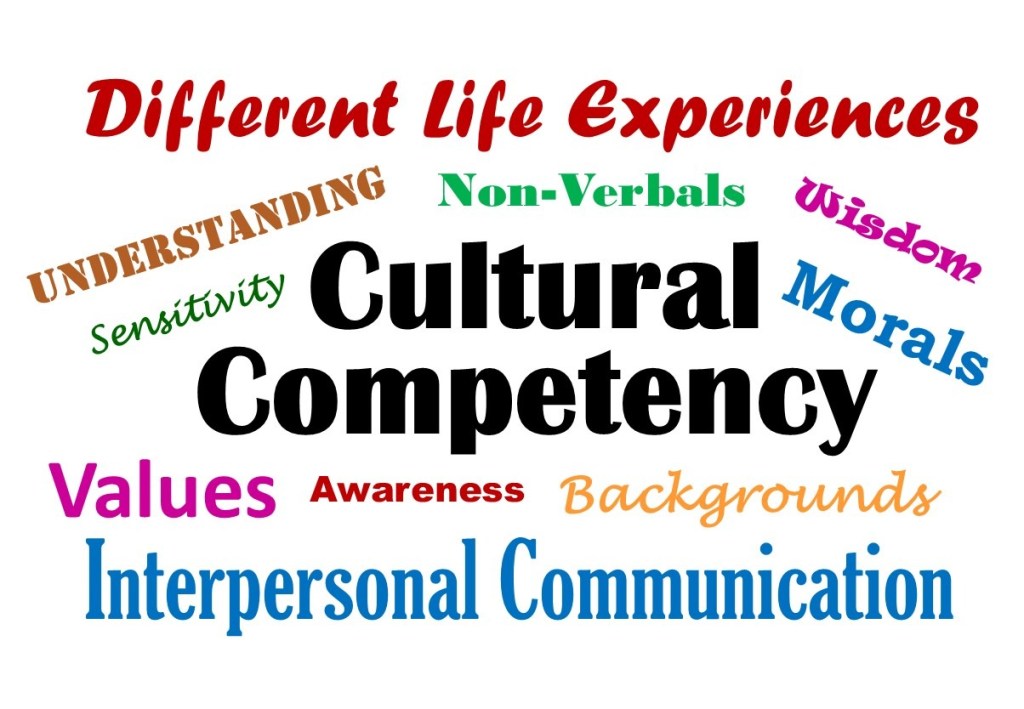
Cultural competence is an essential skill that allows individuals to effectively interact and engage with people from diverse cultural backgrounds. It involves understanding, appreciating, and respecting different cultures while avoiding biases or stereotypes. Evaluating cultural competence can be challenging as it requires assessing an individual’s ability to navigate various cultural contexts sensitively. One effective approach to assess cultural competence is by using narratives.
Narratives are powerful tools that enable individuals to share their stories and experiences within a specific culture. They allow for the exploration of personal beliefs, values, attitudes, and behaviors in a particular context. By analyzing narratives, educators can gain insights into how culturally competent an individual is.
Here are eight ways in which narratives can be used to assess cultural competence:
1. Personal Reflection: Encourage individuals to reflect on their own experiences with different cultures through writing or storytelling exercises. This helps them identify areas where they may need improvement or further understanding.
2. Cultural Sensitivity: Analyze narratives for instances of cultural sensitivity or insensitivity, such as recognizing stereotypes or biases toward specific cultures.
3. Empathy and Perspective-Taking: Assess how well individuals demonstrate empathy and perspective-taking skills when engaging with characters from diverse backgrounds in narratives.
4. Communication Skills: Evaluate narrative responses for effective communication strategies when interacting with people from different cultures.
5. Intercultural Collaboration: Examine how individuals portray collaboration within multicultural settings in their narratives – including problem-solving approaches, conflict resolution methods, and teamwork dynamics.
6. Open-Mindedness: Look for signs of open-mindedness in narratives through the portrayal of curiosity about other cultures’ customs, traditions, values, and beliefs.
7. Cultural Adaptability: Assess the ability to adapt behavior according to different cultural norms portrayed in the narrative – including flexibility and willingness to learn new ways of doing things.
8.Critical Thinking Skills : Analyze whether the narrative demonstrates critical thinking skills regarding cultural assumptions, stereotypes, or biases.
Using narratives as a tool to assess cultural competence provides a holistic understanding of an individual’s abilities. It allows for the exploration of personal growth and development in their interactions with diverse cultures. Educators can use this assessment approach to tailor educational strategies that promote cultural awareness and sensitivity.
In conclusion, narratives offer valuable insights into an individual’s level of cultural competence. By analyzing personal stories and experiences within diverse contexts, educators can assess areas for improvement and design targeted interventions. Incorporating narrative assessments into educational programs fosters a more inclusive learning environment that celebrates diversity while promoting cultural understanding and respect.
 Alternative Amie
Leave a comment